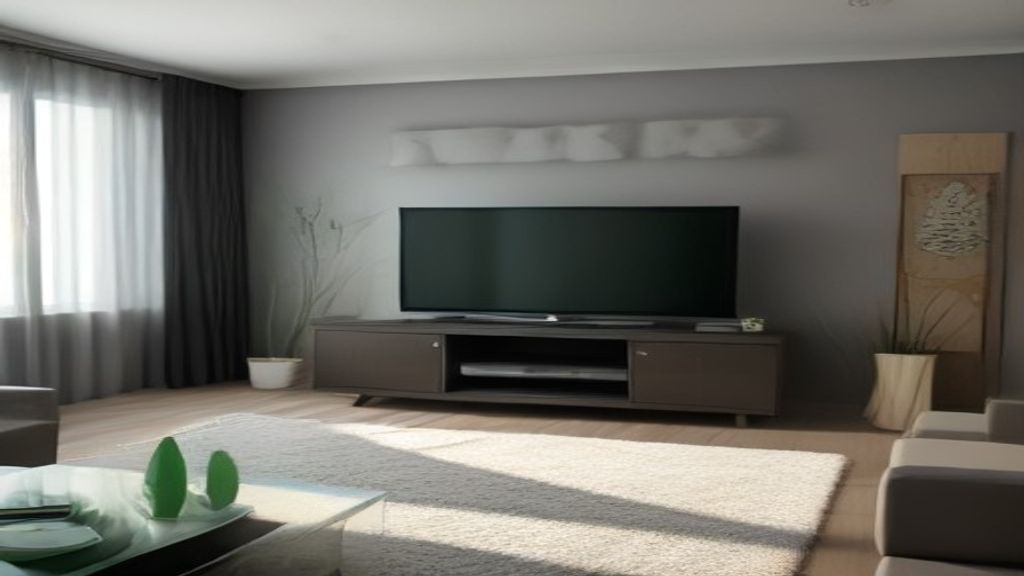
The box was heavier than I expected — 78 pounds according to the shipping label, and I believed them because my stairs creaked in a new place. The delivery driver left it in the garage, which was nice of him, but the console itself was 16 inches deep. My TV stand was 18 inches deep. That extra two inches threw the whole wall off — the console stuck out past the TV base, and from the sofa it looked like the TV was leaning back. It wasn't. But that's what I get for not reading the depth spec three times.
I searched "tv console near me" because I was tired of waiting a week for delivery. Local stores had stuff in stock, but the prices were higher than online. What I didn't count on was the delivery fee — $49 for curbside, $89 for white-glove. If you live on the third floor with no elevator, that's the difference between a good buy and a mistake. I paid the $89 and still ended up carrying it up one flight because the driver 'couldn't leave the truck.'
What you gain paying local: you can put your hands on the finish. The "espresso" online might look like dark chocolate in person. I touched a console at a store that was $30 more than the online price, and the drawers had soft-close slides. The online version had basic slides. That's the kind of detail you only notice after you've loaded it with a cable box and a game console.
What you lose: selection. Stores near me had maybe 10 options under 60 inches wide. Online had 200. I wanted a low profile — 22 inches high — with a cable cutout in the back. The local store had two, and one was sold as 'open box' with a scratch on the side that I didn't see until I got it home.
I measured my wall, the TV width, the height from floor to TV center. I even mocked it up with cardboard. What I didn't measure was the depth from the wall to the front of my TV stand — because my TV stand was an old one that was narrower. The new console had a lower back, so the TV base overhung by an inch on each side. That's not a disaster, but it looks sloppy.
Delivery pain is real. If you're buying local, ask if they'll bring it inside. If you're buying online, check the top depth on the product page, not the bottom. A console might be 18 inches deep at the base but 14 inches at the top where your TV sits. That's the number that matters.
I ended up keeping my console, but I had to buy felt pads to stop it from scraping the floor when I moved it an inch to the right. The cable hole was on the left side, and my outlets are on the right. So I ran an extension cord. Not the end of the world, but the kind of thing you can't foresee from a picture.
The one factor that decides the buy is the depth of your TV's base. Not the distance to the store, not the delivery fee, not even the price. If your TV sits on top, the console's top surface depth has to be at least as deep as your TV's feet. Otherwise you're staring at an overhang from your couch every night. Measure twice, but measure the right thing.
If you're thinking about how to fit a console into a tight spot, check my notes on a narrow media console setup — I made mistakes in the first two weeks that you can skip. And if you're comparing online options, my media console with drawers checklist has the three things I wish I'd inspected before buying.
For more on the whole process, including what I learned about 90-inch consoles that almost didn't fit my wall, start with the basics. Local shopping isn't always the answer, but it gets you closer to the truth about what you're buying.