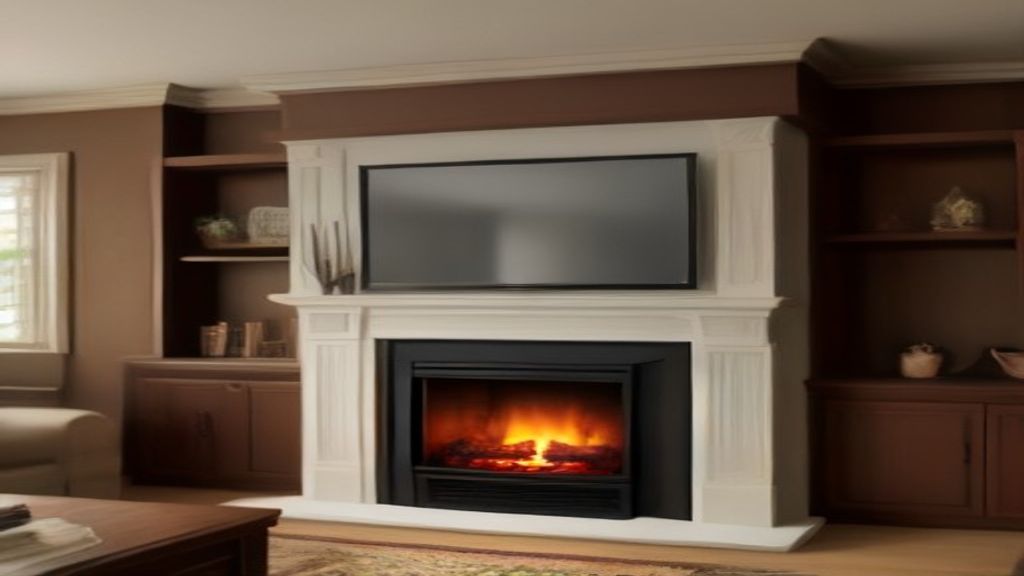
The first number you need to know is 1,500. That's what I paid for a 60-inch entertainment unit with an electric fireplace, delivered and set up. But the real numbers came later: roughly $0.44 per hour to run the flame plus heat on a cold January evening, and about five minutes of assembly per shelf bracket (I definitely messed up the first one). I'm not going to tell you what to buy — that's on you — but after six weeks of living with one, here's what the price tags don't say.
The Money Tiers
You'll see three rough price bands if you start looking:
- Under $400: Usually MDF with a painted faux finish. The fireplace is a plug-in insert that almost always stays off because it's dim and sounds like a hair dryer. You're basically paying for a TV stand with a fake fire cutout.
- $700 to $1,000: This is where the build quality gets real. Solid wood or good plywood veneer, soft-close drawers, and a fireplace that actually looks like flame instead of a strobe light. The heat output might be puny, but the ambiance is there.
- $1,200 and up: You're paying for brand, thicker wood, and features like remote control flame color or a built-in thermostat. The fireplace might actually heat a small room — but the electricity bill becomes a recurring character.
What I Actually Gained (and Lost)
I don't run the heater on my unit much — the flame alone draws about 100 watts and produces a nice glow without turning the room into a sauna. But when I did flip on the 1,500-watt heat mode, our living room (roughly 12 by 14 feet) warmed by about 8 degrees in two hours. That sounds great until you check the electric bill: at $0.14 per kWh, that hour cost $0.21. It's not ruinous, but it stacks if you use it nightly.
What you lose is floor space. My unit is 18 inches deep, and that's on the shallow side. The fireplace box sticks out about an inch from the back — you need breathing room from the wall, so plan for at least 2 inches. I've seen people jam units flush and then wonder why the safety shutoff keeps tripping.
Also, let's be real about the flame. The LED and faux logs look great at 2 feet away. From the couch, they're okay. From the kitchen? It's a flickering light with a glass window. Set expectations low and you won't be disappointed.
The Hidden Costs
Assembly kits often skimp on hardware. My unit shipped with tiny cam locks that felt like they'd strip if I looked at them wrong — replace any questionable bolts with something sturdier from the hardware store (like $4). And measure twice: the unit was 60 inches wide, but I'd forgotten about the baseboard heating vent directly below the TV spot. I had to move a different cabinet to make it work.
That depth thing — seriously, check it before you buy. If your TV stand is going in a corner or near a doorway, the dimensions in the listing don't include the fireplace protrusion or the clearance behind. You might end up with a nice ashwood unit standing a foot into a walkway (ask me how I know).
Would I Buy Again?
I like the unit. It hides cables, the drawers hold remotes, and the flame adds a coziness that feels like a game changer in December. The wattage doesn't scare me, but I get why people stick with just the flame effect. It's not a real fireplace — it's a piece of furniture with a very fancy light bulb.
If your motivation is actual warmth, buy a separate space heater. But if you want the look without the venting hassle, the entertainment unit with fireplace is a solid compromise. Just budget for the electricity and the fact that you'll probably forget it's on.
Before you settle, read some of my other guides—I've been burned before: TV Entertainment Center with Fireplace: What $300 vs $1,200 Actually Buys, Fireplace TV Stand Buying: Why Most People Get the Depth Wrong, and for other furniture landmines, the Wardrobe and Drawers Set: I Measured 9 Units and the Price/Reality Gap Is Brutal. The more you know.
Now I'm off to turn the flame on and watch the dog stare at it. The bill, whatever.