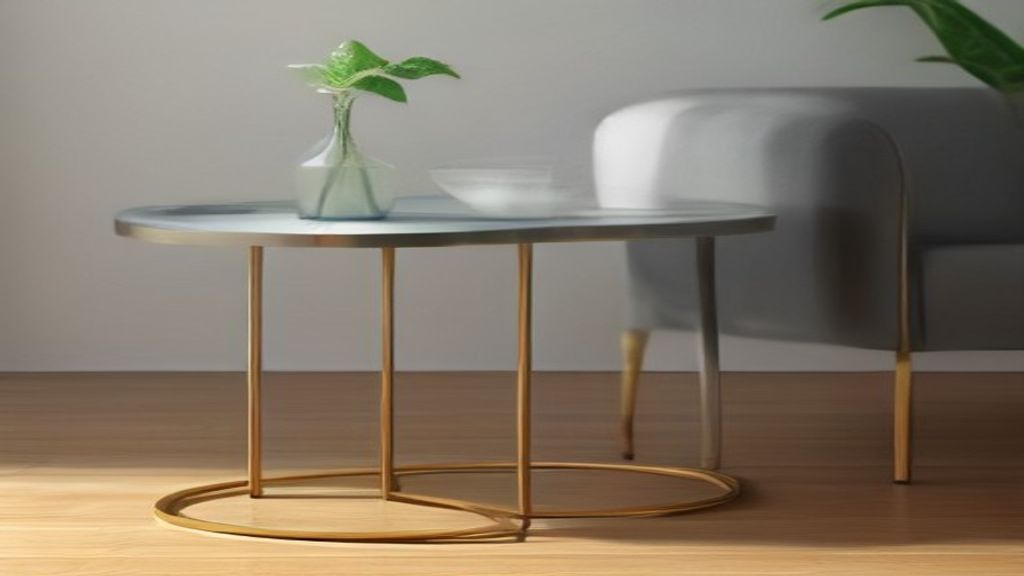
I bought a round metal side table online. Looked great in photos. Perfect height for the sofa. Six weeks later, it wobbled every time I put a glass down. The finish started speckling near the bottom. Here's what I should have checked before clicking buy—and what I'd look for now.
The Base Is Everything
The round top gets all the attention, but the base determines whether you'll hate this table by Tuesday. Mine had a four-point base with feet like tiny coins. On carpet, those feet sank unevenly. On hardwood, they skidded when I nudged the table with my knee. You want a base that's wide and heavy. If the footprint is under 15 inches, it's a balance toy, not furniture.
Check the base material too. Thin stamped steel bends. I've seen bases flex when I pushed on the edge. Solid steel or cast iron won't give. If the product page says "metal" without specifying gauge or thickness, be suspicious. Measure the base diameter yourself if you can. A 20-inch base feels solid. A 12-inch one is a gamble.
The Top Isn't Flat
Nobody mentions the lip. Many round metal side tables have a raised edge so a book or remote doesn't slide off. That's fine until you want to write or place a laptop. My "flat" top had a 1/4-inch rim that made the surface tray-like—annoying for actual use. Look for a truly flat top or a low profile edge under 1/8 inch.
Also, check the finish. Powder coat sounds durable. It's not always. My table's paint started chipping where the metal met the floor. I dragged it across the room once and left a gray streak on the tile. That's not abuse. That's a Tuesday. If you have hard floors, get rubber pads or felt on the feet. Even better, pick a table with a galvanized or raw metal finish that doesn't pretend to be scratch-proof.
Height Is a Trap
Most round side tables are 20–24 inches. The photo shows it next to a sofa, and it looks right. Then you sit down, and the table is either too high to reach your coffee cup comfortably or too low so you end up leaning over. Ideal height is within 2 inches of your sofa's arm height. Measure the arm from the floor to the top. Subtract 2–4 inches for your coffee cup. That's your table height. I didn't do this. My table is 22 inches, my sofa arm is 26. The gap forced a reach every time.
What I'd Buy Instead
If I had to do it over, I'd look for a round metal side table with a weighted base, a flat top, and a height that matches. Maybe a drum shape with a full cylinder base that won't wobble. Or one with a cross base that angles out—just measure the spread. And I'd read reviews for the words "wobble" and "paint chip" before anything else.
If you're in the market, skip the ultra-cheap brands. You don't need a designer piece, but you want powder coat that's at least 3 mils thick. Some reputable options include the ones from West Elm or Crate & Barrel—they'll cost more but the steel is thicker. I've also seen a few good ones from Article. Just don't trust the Amazon listing that says "sturdy" and "premium."
Before you buy anything, grab a tape measure. Measure your sofa arm height. Measure the base footprint you can spare. Give yourself a 2-inch buffer on both. That's twenty minutes that saves you a return trip.
Have you bought a round metal side table that wobbled? Or found one that's rock solid? Tell me what you bought—I'm still looking for a replacement.
Related: If you're shopping for other tables, I Returned the Hay Coffee Table—What You Should Measure First and A Plain-English Look at Small Modern Coffee Table have the same kind of measuring advice. For bigger tables, Round Dining Table for 8: The First Week Setup That Decides Everything shows how height affects daily use.
Next step: measure your sofa arm height right now. Write it on a sticky note. You'll thank me later.