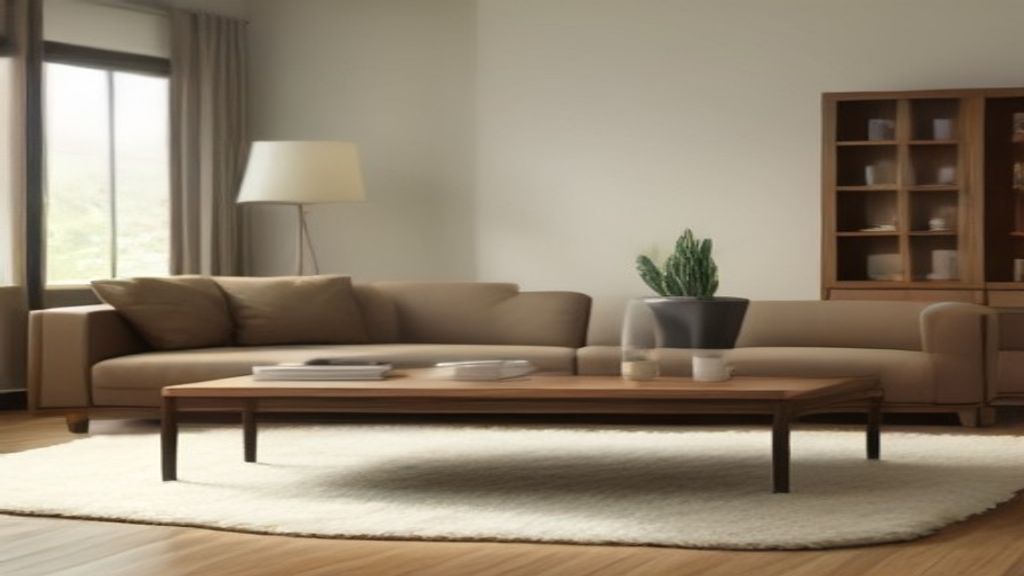
I've returned three natural wood coffee tables in two years. Not because they were ugly—they were gorgeous in the showroom. Because I didn't measure the room first. The fourth one finally works. Here's what I wish someone told me before I clicked buy.
Start with the sofa, not the table
Your sofa height sets the ceiling for the coffee table. I have a low-slung mid-century sofa, 16 inches to the seat cushion. The first table I bought was 18 inches tall. Looked fine in the store, looked like a step stool in my living room. The rule that worked: the table top should be within an inch or two of your seat height. Lower is safer if you slouch. My current table sits at 15 inches, and it feels right.
Also measure the length. Your table shouldn't be longer than two-thirds of your sofa. My sofa is 84 inches, so I looked for something around 50–55 inches. The first one was 60 inches—made the room feel cramped even though there was space. Walkway clearance matters too. Leave at least 18 inches between the table and any other furniture. I measured 16 inches once and had to squeeze sideways every time I passed.
Wood type and sunlight: the failure mode
Natural wood means it reacts to light. My second table was acacia, unstained. Looked warm and organic. After three months in a south-facing window, one side faded two shades lighter. Not a subtle change—you could see the line where the sun hit. The fix: either pick a wood that darkens evenly (walnut does), or rotate the table every few weeks, or put it away from direct sun. I ended up moving the whole setup.
Also check the finish. A matte oil finish feels nice but scratches easily. My dog's claws left marks in the first week. A lacquer or polyurethane coating holds up better if you have kids or pets. You'll trade a little of that natural feel for durability. Worth it in my house.
Weight and delivery: the hidden constraint
Solid wood tables are heavy. My third one was solid oak, 50 pounds. I live on the third floor, no elevator. The delivery guy left it at the curb. I got it up myself—my back still remembers. Measure your doorways too. That oak table was 30 inches wide, and my front door is 28. Took the door off the hinges to get it in. Next time, I'm checking the width before I order.
Also, think about how you'll move it when you redecorate. A 50-pound table is not fun to drag across carpet. Casters are ugly, but some tables have them. Or pick a lighter wood like pine, though it dents easier.
What I ended up with
After three returns, I bought a 52-inch rectangular walnut table, 15 inches high, with a matte lacquer finish. It sits in a west-facing window, and after eight months, no fading. It has a lower shelf for magazines, which I didn't think I needed until I had it. The cost was $400—more than the first table, but I stopped buying twice.
For more on measuring constraints, see A Plain-English Look at Asymmetrical Coffee Table and I Bought a Cage Coffee Table and Regretted It—Measure These 3 Things. Also check Coffee Table Price: What $100 vs $900 Actually Gets You if you're on a budget.
Who can skip this advice
If you have a huge open room with no sunlight, a tiny dog, and no stairs, then buy whatever catches your eye. The measurements matter less. But if you have any of the constraints I mentioned, do the 10 minutes of measuring first. It'll save you a return trip.