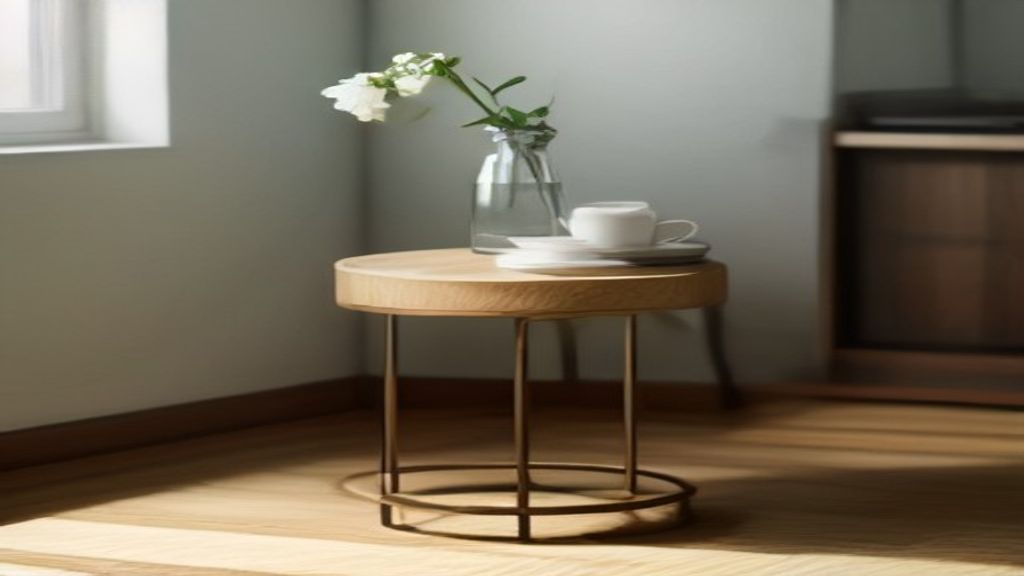
I bought a Hay side table without measuring my narrow hallway. It arrived, I put it together, and within a week I'd knocked it over twice. Not the table's fault—mine for ignoring the 16-inch depth next to my bookshelf. Here's how I sorted it out and what you should measure before you click buy.
The Size Trap: 14 Inches Can Change Everything
My first mistake: I picked the small round version because it looked cute in photos. It's 14 inches wide, 18 inches tall. In the photo, it floated perfectly next to a white sofa. In my actual 7-foot-wide hallway, it stuck out too far, and every time I carried groceries past, my bag dragged the top edge. The fix wasn't a different shape—it was understanding how much floor space I actually had.
Walk your route first. If the table sits next to a sofa, measure the sofa arm height. A side table that's too low makes reaching for a drink feel like a squat. Too high, and it looks like a bar stool. Hay's typical side tables run 18 to 22 inches tall—I ended up with the 20-inch version, which matched my sofa arm at 19 inches. Close enough.
Also check the dish depth. The shallow tray on some models is fine for a coffee mug, but if you're a water-bottle-and-book person, you'll want the deeper version. I learned that the hard way when my 12-ounce tumbler sat awkwardly with the handle hanging off the edge.
Stability: It's Not About How Heavy It Looks
My first table wobbled because I'd placed it on a rug. The base was too small for the carpet pile. I moved it to the hard floor, and it felt solid. But if you've got wall-to-wall carpet, look for a table with a wider footprint or a heavier base. The Hay tables I've tried with a triangular base feel more stable than the round ones on carpet—worth considering if you have kids or a clumsy dog.
Another thing: check the joint where the top meets the legs. On one model, the screws loosened after two weeks of daily use. I re-tightened them with a hex wrench, but if you're lazy like me, you might want a table with a simpler construction—no visible screws, just a solid base.
Style Against Your Existing Pieces
Hay's look is minimalist—thin legs, clean lines, usually wood or matte metal. That works great if your sofa is a low-profile mid-century style. But if you've got a chunky, overstuffed couch, a spindly side table can look lost. I matched mine with a modern wood coffee table—Modern Wood Table: What $400 vs $1,400 Gets You—and the contrast actually worked. The thin legs made the room feel airier.
Also, consider the top material. I chose a wood top, but it's showing water rings already because I didn't use a coaster. If you're not a coaster person, go for a lacquered or metal top. I've seen the lacquered versions at a friend's place, and they handle spills better than raw wood.
My Next Step
Before you order, draw a circle on the floor with tape the exact footprint of the table. Live with it for a day. That saved me from a third return. Also grab a measuring tape and check the sofa arm height. If you've already got a Hay table and it's wobbling, move it off the rug or tighten the screws—that fixed mine.
And if you're still unsure about sizes, I wrote up I Returned the Hay Coffee Table—What You Should Measure First with more measuring lessons. That article covers the coffee table, but the same logic applies to side tables. Measure twice, buy once.