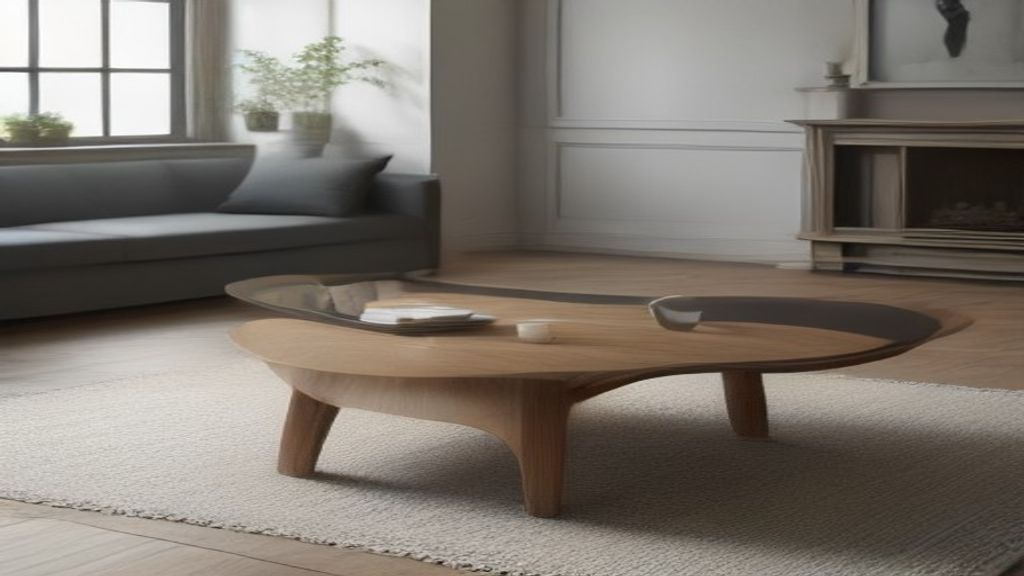
The first thing I noticed when the delivery guy set the box down was the weight. 41 lbs, according to the label. Nice. Then he slid the table out of the styrofoam and the shape hit me: one end swoops out almost 30 inches, the other tapers to a point. It looked great in the product photos. In my living room, it looked like a boat that had run aground.
I learned more about coffee tables from this one mistake than from a decade of thumbing through catalogs. Here's what I wish I'd measured before I clicked buy.
The Walkway Problem
My couch is 86 inches wide and sits 14 inches from the wall. The coffee table looked fine in a 15x20 foot room in the showroom. My living room is actually 10x12, and the table's asymmetry meant one end stuck out 18 inches too far, leaving a 12-inch gap to shuffle through. I tripped twice on the first day.
Measure your main walkway. You need at least 24 inches from the table edge to the nearest wall or furniture. If you're like me and only have 19, you'll be limboing over the pointy end every time you go to the kitchen.
Reach From the Couch
Here's the thing about asymmetrical tables: reach changes with your seat position. The wide end is great for placing your drink, but if you usually sit at the narrow end, you're stretching. In my case, the wide end was 16 inches from the couch, and the narrow end was 22 inches away. My arm's not long enough for the narrow end without getting up.
Plopping down on your couch, measure from your middle seat to where you think the table will sit. You want the surface within 15 inches for a comfortable reach. More than that, and you'll be shifting forward every time you want a sip. That's the real use of the shape—not style, but function.