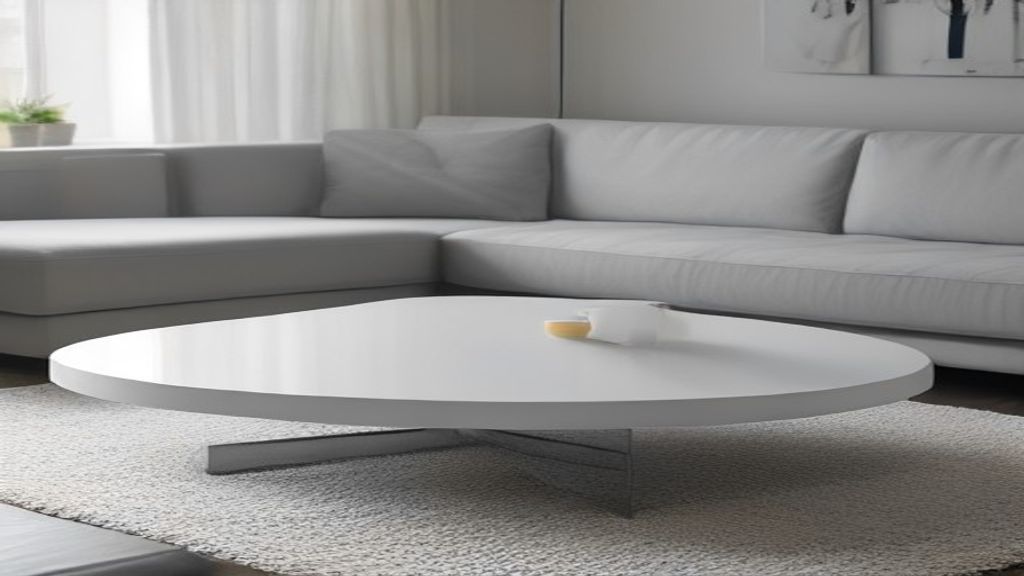
I bought a squiggle coffee table because I saw it on Instagram and thought it would make my living room look like a design blog. It did not. The package arrived, I assembled it, and for two weeks I regretted it. Then I got used to it, and now I'm here to tell you: the price isn't the problem. The shape is.
If you're drawn to the squiggle (and let's be honest, who isn't?), you need to know what you're actually paying for and what you're giving up. Here's the breakdown.
What the Squiggle Cost Me (and What It's Worth)
The squiggle coffee table—the one everyone likes—usually runs between $300 and $800. I got mine for $380 on sale. That sounds like a deal until you realize the shape is mostly air. You're paying for the extrusion, not the material. A standard rectangle of the same size costs half.
The flip side: it's a statement. If you're redecorating and need a focal point, it does the job. It's literally the only thing people comment on when they visit. "Oh, that's cool" is the reaction, every time. If you want a room that's noticed, this table does it.
But the price you pay isn't just dollars. It's function.
The Function Gap You Need to Know
A squiggle is not a functional coffee table. It's sculptural. The surface is uneven, which means anything flat wobbles. A mug of coffee? It's sketchy. A book? It slides off the curve. You'll find yourself using the outer edges for your drink and the inner valley for a coaster, and it's never quite right.
Storage? No. There's no drawer, no shelf, nothing. If you're a person who tosses remotes and magazines, this is not your table. You'll end up with a side table or a tray nearby, which kind of defeats the purpose.
The real killer is the footprint. Most squiggle tables are square-ish, with a diagonal orientation. I measured mine at 40 inches by 40 inches, and it eats the whole coffee table zone. If your sofa is less than 8 feet long, don't even think about it. You'll have to walk around it to get to the window.
What You Gain vs. What You Lose (Told in Dollars)
| Price Tier | What You Get | What You Lose |
-------------------|------------------|------------------|
| $300–$500 | The look, a conversation starter | Function, storage, legroom |
| $500–$800 | Better material, maybe marble or wood | Same function gap, bigger price tag |
| $800+ | Name brand, design cred | Slightly less wobbly, but not worth it |
Quality matters more than price. My $380 particle board version feels hollow in spots. A friend's $700 version with wood veneer feels sturdier, but the shape still limits what you can actually do with it. Spend more if you care about not scratching, but don't expect a magic fix.
Where It Fits (and Where It Doesn't)
Let's be pragmatic. A squiggle works in a space that's already minimal. If your room is your ground zero of blank walls and a couch, it's the hero piece. It won't clutter because it only exists as a shape, not as storage. It's also great in a kids' playroom nook—they'll love it—but keep the coffee away from it.
It does NOT work if you need a surface for working, eating, or anything practical. If you're someone who eats dinner on the couch or does homework on a laptop, get a standard table and paint it a fun color. Honestly.
If you're still tempted, measure everything first. Check the gap between your couch and the TV stand. Aim for at least 30 inches of path. And consider a lower version—many squiggle tables are 18–20 inches high, which is fine but not right with tall sofas.
The One Factor That Decides the Buy
The deciding factor is your commitment to the look over the function. If you're okay with a piece that's conversation-starter only, and you have space to spare, buy the knockoff version and don't stress about the original. If you need a multiuse coffee table—what most people do—walk away. The squiggle will be a regretted splurge in two months.
Me? I still own mine. I moved it to the corner as a plant stand. Now it's actually useful.