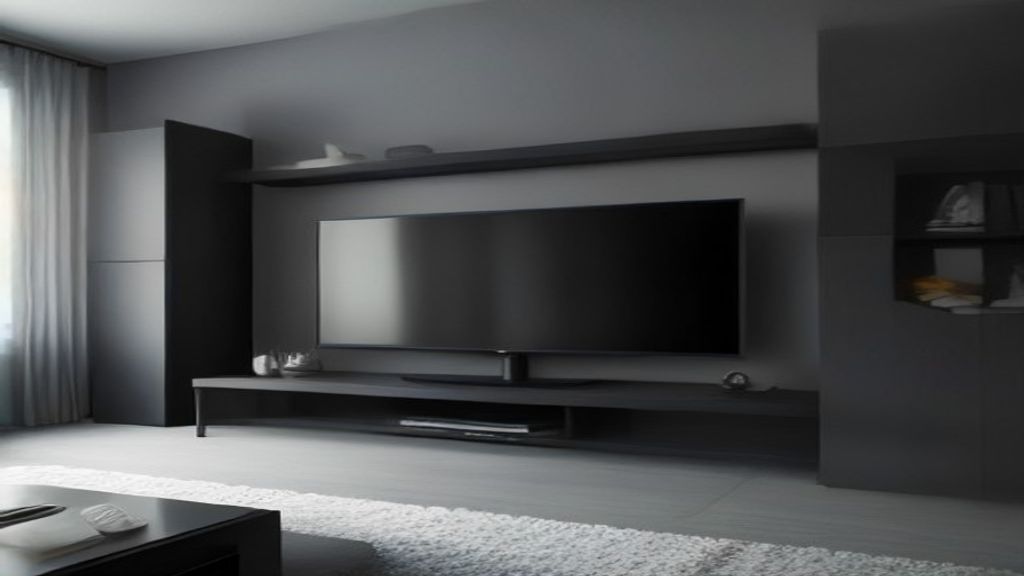
I bought a dark grey TV unit because my 65-inch screen told me to. Stupid. The TV sat fine, but the AV receiver, soundbar sub, and game consoles that actually live there were all shoved in sideways. The cabinet's internal depth was 14 inches while my receiver needed 16. The soundbar sub sat in front of the open shelf, sticking out like a hitchhiker. Guess what I didn't measure? Read on before you buy.
Why TV-Size Logic Fails
Your TV is the least flexible thing in the room. It hangs or stands, period. The dimensions that actually decide whether a unit works are the components that must fit inside or under it. I measured the screen diagonal—66 inches (including bezel)—and picked a 70-inch unit. The console was 68 inches wide, 14 inches deep. TV-width to unit-width looked fine in the spec sheet. Bring home a heaping stack of electronics and you'll realize the useful floor plan is shelf height and depth, not the top deck.
What to Measure (Before You Even Look at Colour)
- Internal depth is the deal-breaker. Measure your receiver's depth with cables plugged in, because they add at least 2 inches. My receiver is 15 inches deep plus right-angle power connector; the cabinet's interior was 13.5 inches. I had to pull the whole assembly forward, destroying the look.
- Internal height per shelf must exceed your tallest component—usually a centre channel speaker or older set-top box. My shelf heights were fixed at 6 inches. My amplifier is 5.5 inches tall but vents on top; leaving no air gap cooked the unit.
- Weight per shelf matters more than total weight. My subwoofer is 38 lbs; the rated shelf capacity wasn't listed anywhere, only the unit's total 100 lbs. I checked the particleboard thickness (0.5 inch) and still had to reinforce with a steel L-bracket.
- Cable routing is a hidden dimension. There's a 2-inch hole at the back, but my console has a thick tie that blocks the opening. Plan to drill or cut—you'll need to.
The Thing Nobody Says About Dark Grey Finishes
A dark grey finish is basically a smudge-print display. My cat's paw, a glass ring from coffee, a single fingerprint—all visible from across the room. I cleaned mine more than I cleaned the TV glass. The edges are MDF with vinyl wrap that chips if you look at it wrong. It's fine in a family room if you don't care about scratches, but if you're the type to get annoyed at marks, choose a matte charcoal with a melamine coating, not the glossy variety.
The One Measurement That Would've Saved Me
Take a tape to the space where the unit will live. I measured the width and height of the TV wall, but forgot to measure the gap between the floor and the bottom of the wall-mounted shelf above. My unit is 18 inches tall, and the shelf hangs at 22 inches—so the upper half of the console is unusable. I could have picked a lower piece and gained both space and storage.
Also measure the floor space around the unit. My dark grey slab is 14 inches deep; the wall, 38 inches wide. The unit sits flush but the light switch is now behind it because I measured the area the unit would occupy, not the room's working space. So close.
What I'd Do Differently (and Maybe a Better Way)
Take every component that lives in the unit, stack them the way you intend to use them, and write down their depth, height, weight, and vent clearance. Add 1–2 inches for cables. Then look for a cabinet that has at least one shelf with that depth and vertical clearance. Don't settle for a unit with a diagonal cut on the back—it eats cable space. And if your TV is mounted, don't assume the unit's height matters. If you have a heavy subwoofer or a large drawer unit, check the weight rating on the drawers yourself—mock it up at home, not the store.
If you're planning a full media wall, I wrote more about measuring for wall gaps in Extra Long Entertainment Unit: Measure the Wall Gap, Not Just the TV. For a different angle, Mid Century TV Unit: I Measured Twice, Moved Three Times, and Still shows what happens when you skip the measuring tape.
If your living room is small or you plan to mount the TV at 4 feet, a tall grey piece will do nothing but block light. An open media cart might work better.
Who Should Skip This Dark Grey Unit
If your components are shallow—a streaming stick, a console that's 9 inches deep, a spare monitor—this unit with 14-inch internal depth is fine. It's also fine if you're fine with a bit of visual clutter. But if you have a 16-inch receiver, a floor-standing sub that weighs more than the shelf, and you want a clean, integrated look, skip it. The next time I'll order a custom console with removable shelves and no back panel at all. That's the fix.
Don't be like me. Measure the internals, not the screen.