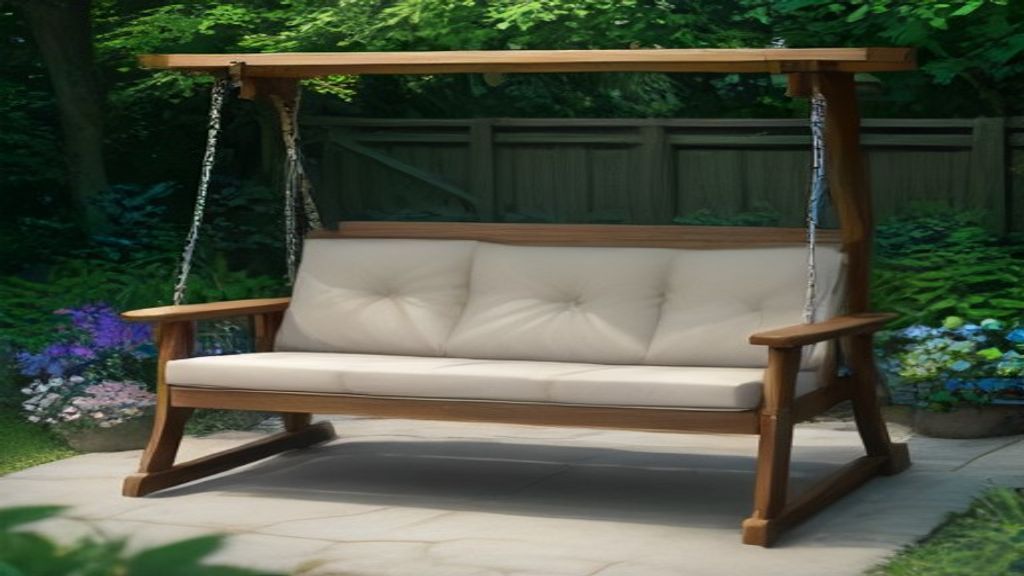
Most people pick a 2 seater garden swing seat by the cushions. That's backwards. I've seen it happen three times with friends, and each one regretted it within a year. The frame is the whole product. Cushions are just fabric you'll replace anyway.
The first swing I bought had great cushions. Deep seats, nice pattern, looked like a catalog photo. Frame was powder-coated steel, but thin. By month six, it wobbled. By month nine, the brackets squeaked like a haunted porch. I tightened bolts, added washers, nothing helped. The metal had flexed out of shape. That swing taught me more than I wanted to know.
What Actually Happens in a Year
A 2 seater swing takes real abuse. Two adults, let's say 300 lbs combined, plus the rocking motion. That's not a static load. It's thousands of cycles of stress, every single day. Cheap frames bend. Welds crack. The seat twists until cushions sit crooked.
I measured my current swing's seat width at 48 inches. That's the bare minimum for two people who aren't shoulder-to-shoulder with strangers. Some listings say 2 seater but squeeze you to 42 inches. You'll feel it in ten minutes. Bring a tape measure to the showroom, or check the spec sheet like a normal person.
Frame Materials That Don't Quit
Powder-coated steel is fine if it's thick. Look for wall thickness around 1.5 mm—most budget ones are 1.0 mm and bend. Stainless steel costs more but doesn't rust where the coating chips. You will scratch it. You will scrape it moving around. Rust starts at those marks.
I went with a solid acacia wood frame, 2x4 inch legs, stainless steel hardware. It's heavier, feels planted, and doesn't make noise. Wood needs oil once a year, but that's twenty minutes with a brush. Better than replacing the whole swing.
The Cushion Trap
Cushions are the bait. They're what you see in the photos, and they're what wears out first—sun fades them, rain soaks them, kids jump on them. You'll be shopping for replacement cushions in eighteen months, guaranteed. So buy the frame you can live with for a decade, then treat cushions as a consumable.
If a set is priced $200 and the cushions look luxe, the frame is probably junk. Same when it's $200 for a "weatherproof" frame. Real weatherproofing costs more—galvanized or marine-grade materials. Don't trust marketing words. Look at what metal you're actually getting.
The Squeak You'll Hear at 3 A.M.
That squeak isn't normal wear. It's bolt metal grinding against frame metal. My porch swing bolt broke last summer—check that link, I wrote a whole post about that mistake. The fix is using nylon locking nuts and thin rubber washers. Not every frame allows those upgrades. Mine did, and it's been silent for two seasons.
Before you even hang it, check the eye bolts and chain links. Many swings come with hardware that's barely rated. If the sticker says 400 lbs max, and you've got two average adults plus a kid, that's close. I redid all my hanging hardware with rated stainless steel shackles. Less drama.
If you're also setting up a seating spot around it, worth reading how to measure a glass top dining table for the patio—same principle: legs matter more than top.
Who Should Skip This Swing
If you just want to look pretty for one summer—maybe it's a rental or you swap outdoor furniture every year—then buy the $150 swing. Cushions will be fine. You'll move on before the frame fails. I don't envy that. But if you want it to hold up like real furniture, respect the frame. I fixed mine once, and it's still going. My neighbor's cheap swing is rattling after two months. We both paid similar money.
Check the actual dimensions, bring a steel framing square, and test the sway with your weight before you cut tags. It's worth the ten minutes in the store. More advice on patio setups in the site's Outdoor & Patio guides.