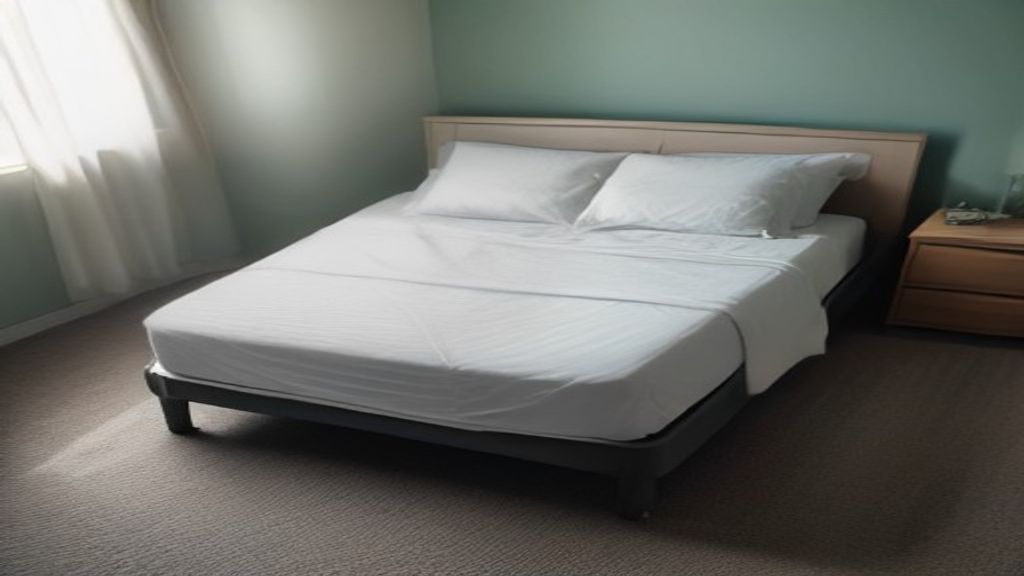
Six weeks. That's how long my dad was bedridden after his hip surgery, and every single night I watched him struggle to get comfortable on a mattress that was supposed to be a hospital-grade solution. Most people think any medical mattress will do. They're wrong. Here's what I learned, measured in inches, pounds, and sleepless hours.
Why Weight Rating Matters More Than You Think
When I first looked, I saw mattresses rated for 250 lbs, 300 lbs, 400 lbs. My dad is 220, so I figured a 300-lb rating would be fine. But that rating isn't just about holding you up—it's about how the foam compresses under your heaviest parts (hips, shoulders). Cheap mattresses with a 250-lb rating will have you hitting the board by week three. My dad's first mattress was rated for 300, and by week two I could feel the support base through the foam when I pressed on his hip area. That's not a mattress, that's a torture device.
Look for a mattress that's rated at least 100 lbs over your patient's weight. And check the foam density—you want high-resilience foam, not the soft, cheap stuff that sags. We swapped to a high-resilience foam mattress rated for 500 lbs, and the difference was immediate. He stopped complaining about pressure points.
Pressure Relief Is Not a Buzzword
If your patient is stuck in one position for hours, pressure relief isn't marketing fluff—it's the difference between skin intact and bedsores. The old mattress had a thin gel layer that felt cool but did nothing for pressure. After two weeks, my dad had red marks on his heels and sacrum. That's the warning sign you never want to see.
Get a mattress with actual pressure mapping or at least a multi-zone design. We found one with a 4-inch high-resilience base and a 2-inch viscoelastic top layer that literally molded around his body. After we switched, the red marks faded within days. Spend the extra $100—it's cheaper than a wound care nurse.
Don't Overlook the Cover
You're going to clean this mattress. A lot. My dad had a few accidents, and we learned the hard way that the cover matters almost as much as the foam. The first one had a quilted cover that soaked right through. We were scrubbing foam, which is a nightmare. The replacement had a waterproof, breathable cover that wiped down in seconds. And it was zippered, so we could remove and wash it. That saved our sanity.
Also, check the seams. The cheap cover had seams that split after a month. The better one has welded seams that haven't leaked a drop.
What About the Low-Air Loss Options?
I know the high-end stuff—low-air-loss mattresses that constantly inflate and deflate to rotate pressure points. Sounds amazing. But they're also noisy, they require a pump that runs 24/7 (which adds to your electric bill), and they cost three times as much. If your patient can shift themselves a bit or you're willing to reposition them every two hours, a high-quality static foam mattress does the job. We used a cheap alternating pressure pad on top of the static one and got most of the benefit without the expense.
The Takeaway, Short and Sharp
Hospital bed mattresses aren't all the same. Ignore the marketing and focus on weight rating, foam density, pressure mapping, and a washable cover. We went through three mattresses in six weeks before finding the right one. Don't make that mistake—check the numbers before you buy.
My dad's home now, and we've kept the mattress for his occasional bad days. It's still firm, still supportive, and I don't regret a dollar of what we spent on it. Just wish I'd known Monday what I knew by Friday.
For more tips on picking a mattress that actually works, see our guide on Double Bed Mattress for Sale: What to Check in the First Week and the one about Full Size Bed Foundation: The Mistake That Made My Mattress Sag in 11.