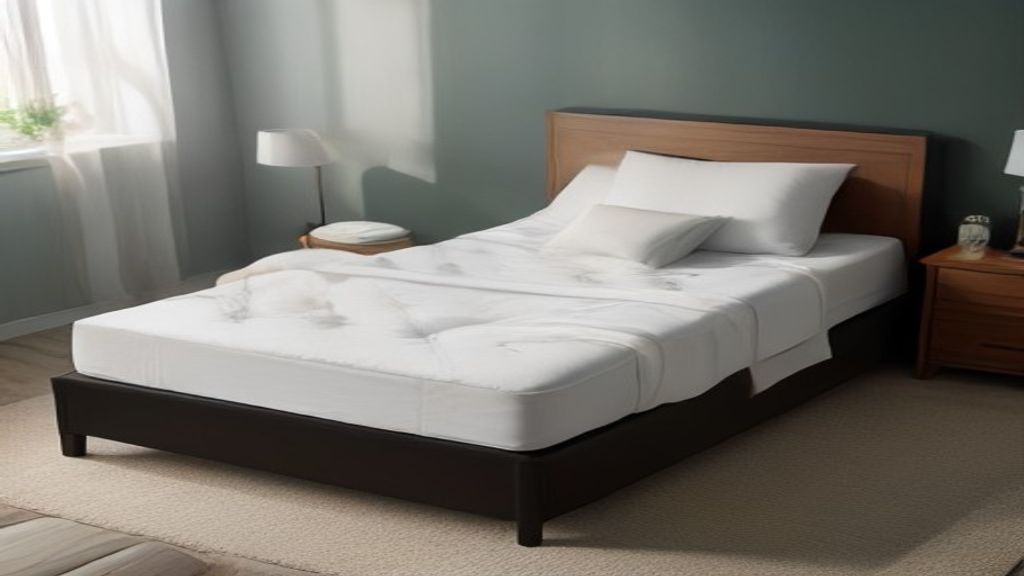
You just unboxed a firm mattress and the first night was rough. I know the feeling. I've been there—twice. The first firm bed I bought got returned after a week. The second one I still have, three years later. The difference wasn't the mattress. It was the setup. Specifically, one thing: how I prepared my bedroom before the box even arrived.
The One Decision That Matters Most
Before you unbox, figure out your base. Not just any base. A firm mattress needs solid support, but most people think that means a box spring or a slatted frame. It's not that simple. My first mistake: I put a firm innerspring on a cheap metal frame with wide slats (3.5 inches apart). Within three nights, the mattress dipped in the middle. It felt like sleeping in a hammock made of bricks. The problem wasn't the firmness—it was the flex. A firm bed on a flexible base turns into a saggy mess.
So the one decision: measure your slats. If they're more than 2 inches apart, you need a bunkie board or a solid platform. I went with a plywood board, ¾-inch, cut to fit my frame. Cost me $20. That single change kept the mattress flat and firm.
First-Week Setup Steps (In Order)
Here's what to do the day the mattress shows up:
1. Let it expand fully. On a flat, hard floor, not on the base. Give it 48 hours if you can. Manufacturers say 8, but I've seen a queen take almost 3 days to reach full height.
2. Check for off-gassing. A chemical smell is normal for memory foam. But a firm hybrid with coils might have a faint rubber smell. Ventilate the room. If after 5 days it still stinks, call customer support. Don't suffer through it.
3. Break it in, but not aggressively. Walk on it lightly (no shoes, maybe kneel) on the spots where you'll sleep. Don't jump. The point is to get the top layer to respond, not to crush it.
4. Sleep on it for at least 3 nights before judging. The first 48 hours, a firm mattress will feel like a board. Your body needs to adjust. By night three, most people notice a difference. If not, re-check your base.
What Nobody Tells You About Firm Mattresses
Firm doesn't mean hard. It means less sink. You'll sleep on top rather than in it. Some people love that, especially stomach sleepers or anyone carrying extra weight (I've covered this elsewhere—check ). But there's a catch: after a few weeks, the mattress will soften. Not a lot, maybe 10-15%, but enough that if it was borderline too stiff at night one, it's fine by week three.
Another thing—edge support matters more than you think. Sit on the edge, tie your shoes, and a weak edge will make you feel like you're sliding off. That's a base problem too. A solid perimeter adds maybe 100 bucks to the price but pays off in daily use.
When a Firm Mattress Is Too Firm
Some beds are just unforgiving. If you're a side sleeper under 150 lbs and you wake up with numb shoulders or hips, it's too firm, regardless of setup. Same if you have chronic back issues and your PT says you need a medium. Don't force it. Many companies give you 90 nights—use them.
Who Should Skip This Entire Setup
Honestly, this effort is for people who know they like a firm feel. If you're mildly curious but sleep on your side, skip it. Go medium. If you're a stomach sleeper over 200 lbs, this approach is worth trying. If you can't imagine sleeping without sinking into a soft cocoon, don't buy firm. You'll waste a month and a return fee. Also skip if your bed frame is an old box spring—newer mattresses (especially foam) need a different support system. Read more about mattresses for different needs: .
Bottom line: the mattress is just a slab of foam and springs. The setup is everything. Get the base right, give it a week, decide with data, not first-night complaints.