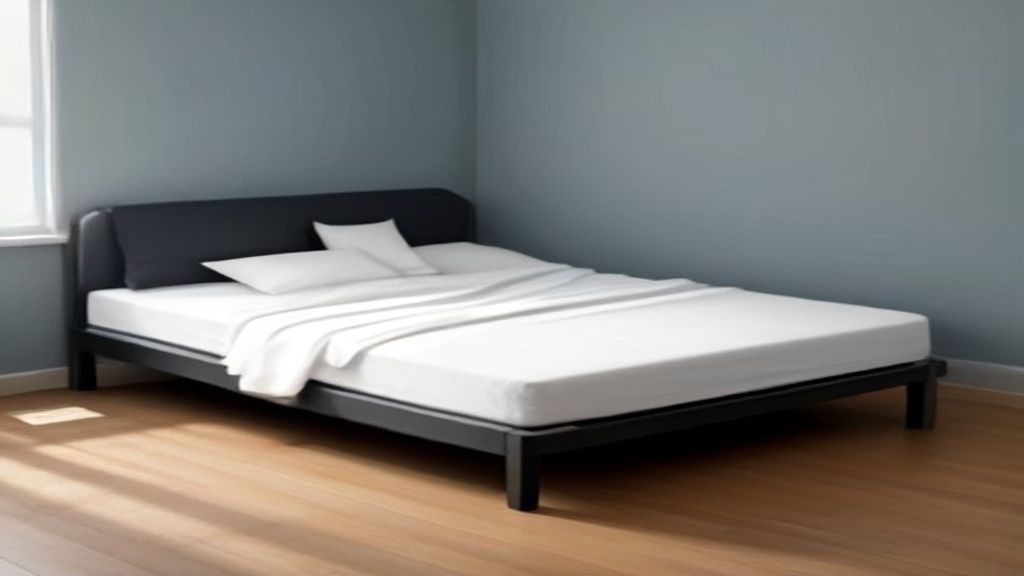
You lift the box and your back says: this is not a chair. The folding bed with mattress combo arrives compressed, heavier than you expected. Unboxing smells like new foam and plastic wrap. You cut the straps, unroll it, and it flops open like a lazy dog. The mattress is thin. That's the moment you have to decide: is this for occasional guests or for someone who actually sleeps here? That's the one decision that matters in the first week.
The First Night: Let It Breathe
You can't sleep on it right out of the box. No matter what the box says. The foam needs 24 hours. Even then, it won't be the same as a regular mattress. I left mine in the living room propped against the wall. It smelled like chemicals for two days. If you've got a guest coming Friday, set it up Wednesday. That gives you time to notice if the wire frame has a wobble.
The Frame Is the Real Test
Fold it flat, then fold it back. Do that three times. If the locking mechanism catches, you're fine. If it sticks, that's the first sign of trouble. I had one where the crossbar popped loose on day four. Not dangerous, but you don't want to explain that to a guest at midnight. Check the hinge welds. You're looking for smooth, continuous metal. A rough spot means it'll wear out fast.
What I Learned About the Mattress Thickness
This is the one thing that separates “okay” from “I'll buy my own air mattress next time.” A 4-inch mattress is too thin for an average adult. You'll feel the bars through it. I sleep on my side, and my shoulder was killing me after two nights. A 6-inch at least keeps the metal from poking through, but it's still firm. If you're buying for a bigger person, look for 8 inches. It might not fold as neatly, but you'll both be happier.
The One Decision: Who's Sleeping Here?
If it's just for occasional sleepovers—a kid's friend, a cousin crashing after a party—a 4-inch is fine. You're not hosting a resort. But if you have a regular guest, like a parent who visits every month, don't cut corners. The extra $80 for a thicker mattress is worth it. I learned that the hard way. My dad stayed a week, and he put a pillow under his hips because the middle sagged.
The Fold-Away Reality
It's not as light as it looks. Mine is about 50 pounds. When you fold it up, it's awkward to carry. You'll need to clear a corner to store it. If you plan on moving it daily, get wheels. The ones they sell have small casters that catch on rugs. I'm not saying it's a pain, but I'm not saying it's effortless.
Who Should Skip This
If you're over 200 pounds or have a bad back, skip the folding bed with mattress. The mattress is never as supportive, and the frame will dig into your hip. I'd rather sleep on a futon. And if you have the floor space, a regular bed frame with a decent mattress is cheaper per night and way more comfortable. The folding bed is a compromise—you just have to know what you're giving up.
For more on choosing the right mattress, check my Hospital Bed Mattress: What I Learned After My Dad's 6-Week Stay or Double Bed Mattress for Sale: What to Check in the First Week. And if you're thinking about a full-size bed, see I Bought a Small Double Sleigh Bed Without Measuring the Hallway. The same measuring mistake applies here.
The Week One Checklist
- Unbox and let it breathe for 24 hours.
- Test the folding mechanism five times.
- Check under the mattress for support bars.
- Sleep on it one night yourself before guests.
- If it's not comfortable on day three, it won't get better. Send it back.