The mistake I made
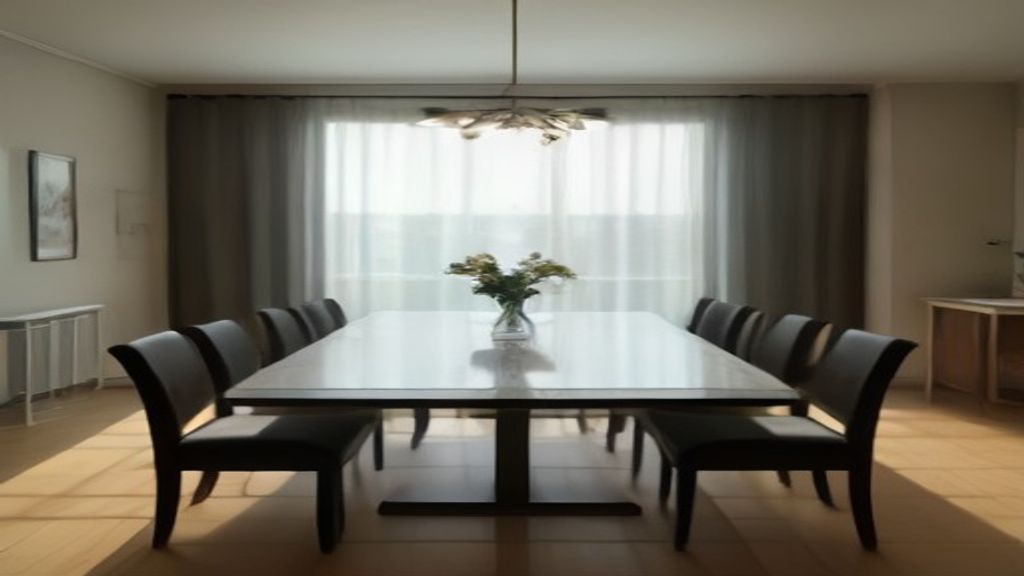
I saw a tempered glass dining table online. It looked like a floating slab of crystal. The seller's photo made the living room look twice as big. I clicked buy without checking the glass thickness. Big mistake.
Three weeks later, I was peeling the sticky film off the glass surface because the delivery guy said it was 'protective.' It wasn't. That film had turned into a permanent haze after a single splash of lemonade. I spent an hour with vinegar and a razor blade. The haze didn't fully come off.
What I got instead of a dream
A glass dining table that shows every fingerprint, every smudge from a glass of water, and every droplet that has ever landed on it. My kids' cereal bowls leave circular stains. My cat's paw prints? Art deco pattern across the whole table. I ended up buying a glass cleaner specifically for plates—your standard Windex leaves streaks so bad I could write my name in them.
And here's the thing: the glass was 8mm thick. The manufacturer said it's 'safety tempered,' and it is. But I've seen heavier—12mm and up. That difference shows when you bump it or slide a heavy platter across. Mine flexes slightly if you lean on one corner. That's not a budget table; it was a mid-price one.
What I did next (and what you should do)
1. Measure the glass thickness before you even look at style. If the listing doesn't say 'tempered glass' with a thickness (8mm, 10mm, 12mm), ask. Don't guess. Mine didn't list it; I assumed. Never assume.
2. Check the edge. A tempered glass table's edges aren't all equal. I got a flat-polished edge. Every paper cut I've ever had stings less than that edge when you bump your hand against it. You want a beveled or rounded edge. Don't just look at the photo—ask if they'll send a close-up.
3. Plan for daily reality. My table now has a clear 2mm silicone mat over the entire surface. It kills the sleek vibe, but it saves my sanity. I also bought a small brush to sweep crumbs off before they get stuck to fingerprints. That's not glamorous, but it's honest.
Other things I learned the hard way: the base matters. I chose a pedestal base, thinking it would give more leg room. It does, but the table rocks if you apply any weight to one side. Fix that with an adjustable foot—or get a four-leg base.
Cleaning? The right tool is a microfiber cloth, not newsprint like my grandmother did. And I've stopped chasing the glass with ammonia-based sprays; I use a diluted vinegar mix. That leaves a slight film too, but it's less noticeable.
The real verdict
I wanted a glass table for the airy feel. Now I have one, but it's a constant upkeep thing, and not in a good way. If I could do it over, I'd pick a thicker, heavier table—at least 12mm—with a beveled edge, and I'd budget for the mat and cleaning supplies from day one.
Tempered glass is strong; it won't shatter into daggers like ordinary glass. But it still breaks—my friend's toddler dropped a toy truck on her 8mm table, and it didn't break, but there's a chip on the edge that's sharp now. She's covering it with a runner.
So yeah, maybe glass dining tables just aren't for people who actually use their dining table for more than looking at it. That's the mistake I made. I thought I was buying a piece of modern sculpture; I got a high-maintenance surface that shows every crumb.