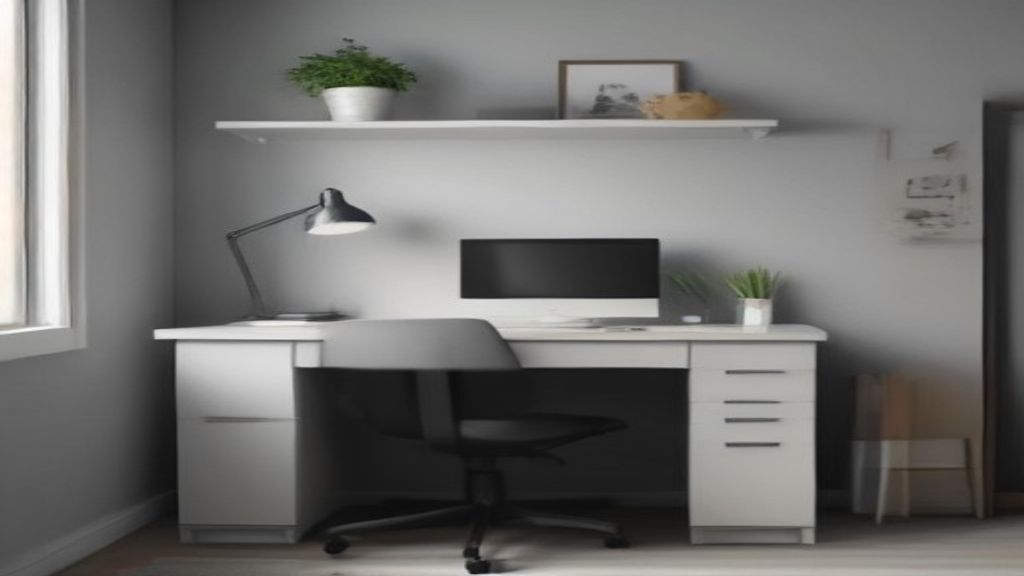
The first thing you notice when you unbox an IKEA desk is the smell. That compressed wood–and–glue aroma hits you before you even cut the straps. It fades in a few days, but it's the start of a relationship built on torque specs and cam locks.
I've bought IKEA study furniture twice now—once for a 10x10 spare bedroom, once for a living room corner. Same mistakes the second time, but that's another story. Here's the stuff that decides whether you get three years of steady work or a wobbling mess by April.
Understand the three price bands before you look
IKEA desks mostly fall into three groups. Knowing which one you're in saves you from staring at the same four model names for an hour.
- $50–$100: LACK, MICKE, LINNMON tops. Particleboard with paper honeycomb inside. Light as a loaf of bread—the 47x24 LACK top weighs less than 11 pounds. You can dent it with a stray elbow. Fine for a laptop and a notepad, not fine for monitor arms or heavy books.
- $150–$250: BEKANT, SKARSTA, IDÅSEN range. These got hidden steel frames and real weight. The BEKANT frame alone is over 30 lbs. Sit down and lean—nothing moves.
- $300–$600: UPPSPEL and other gamer-lines. Built for two monitors, cable trays every few inches, legs that adjust without tools. Overkill unless you're running a serious setup.
Each step up adds rigidity—not just nicer looks. The paper-honeycomb tops will deaden impact, but they'll also flex if you clamp a headphone stand too hard.
Desks: depth and leg attachment decide everything
The number that matters is depth—the front-to-back measurement, not the width that everyone quotes in the title. A 23⅝" deep desk (the standard) feels fine at first. But put a 27" monitor on an arm and the back edge crowds your wall. You'll angle the screen to reduce glare and lose two inches anyway.
I ended up with a BEKANT at 31½" deep. I'm 5'10" and my arms rest fully when my chair is pulled in. That extra 8 inches made me realize the old desk was too shallow for anything beyond email.
Leg attachment is the other thing. The screw holes on the top are pre-drilled, but the frame uses weak machine screws into the top. If you move the desk even once, the screws strip. Use threadlocker or buy a steel-top version. My first LINNMON wobbled after a year; the leg mounts were bolts into compressed wood that just tore loose.
Rising desks are a separate universe. The SKARSTA costs less than an electric motor frame, and the crank handle I got feels plasticky—but it holds position. The real cost is time. It takes 60 seconds to go, turning the crank the whole way. I barely used it. Almost everyone I know with an electric sit-stand uses it once a month at most.
Chairs: the armrests and casters are where cheap dies
The chair is where people try to save three dollars and pay for it in back pain. IKEA's low-end chairs have foam as thin as a paperback and casters that wreck hardwood floors.
Look for these specifics before signing on another cardboard-flat box:
- Seat depth adjustability: Should slide forward/back 1–2 inches. Without it, your knees end up below your hips and your back pays by 3pm.
- Casters rated for your floor: They sell a rubber-wheel kit separately. The stock plastic ones are fine on carpet, but they leave gray tracks on vinyl or wood.
- Backrest tension: The cheap ones have a screw in the back. Tighten it twice a year. The more expensive chairs use a pump lever that actually responds.
I bought the MARKUS for $180. It's been three years and the gas cylinder still works. But the armrest padding has flattened—you feel the plastic shape against your elbows after an hour.
Storage: the drawer unit that doesn't fit your shelves
After a desk, people usually add a drawer unit on casters. The ALEX is the obvious choice—same classy look for $80. But measure the height before you slide it under a desk. The ALEX is 27½" tall by itself; if your desk sits at 28", the drawers stop right at the desktop bottom. You'll want a riser or you'll end up with a gap that lets cables dangle.
Also, the small drawer inserts (the 10×7 plastic thing) are sold separately. They don't fit the taller drawer—IKEA does that on purpose. Budget another $5–20 for felt liners or you'll hear the pens roll every time you open a drawer.
What actually fails in real use
The gaps between drawer fronts and sides: They look fine in the showroom, but the cam-lock screws often strip if you assemble it twice. Move a full drawer unit and you'll feel it: the side panel flexes.
The cam locks: They hold forever but they don't like being reinstalled. I've done it three times on the same carcass and the hole gets bigger each pass. Use wood glue on the first install if you think you'll ever move it.
The shelf brackets: The LACK shelf is only 7 inches deep for the same reason everything else is shallow—it keeps the box light. Big books on the shelf push the back edge forward because there's no fixing point unless you screw it to the wall.
What I'd actually buy now, after living with these
If I were doing it over, this is the shopping list for a single-person study, no spare cash burning a hole:
- Desk: A 63" BEKANT, the one with the T-legs. At $230, it's $80 more than the MICKE but the depth and metal frame solve the two things that drove me crazy.
- Chair: The ALEFJÄLL if you want a real chair, or the MILLBERGET at half the price. Skip the $60 swivel ones—they tip when you lean forward.
- Storage: One HELMER drawer unit ($40) for stationary plus a floating shelf above the desk for textbooks. Don't buy the shelving until you know your wall studs—the bracket screws are shorter than you think.
You can make a $50 work surface work if you never put a monitor arm on it and you keep the heavy books elsewhere. But the margin for error is small. Most people end up replacing the cheap desk anyway, which makes it the most expensive option.
The one factor that decides the whole thing
The single question you need to answer before buying any IKEA study furniture: Will you ever move it after assembly?
If yes, spend the extra money on metal frames and at least a solid-wood top. Particleboard and cam locks don't survive disassembly. If no, then the cheap stuff is fine—just know that the paper-honeycomb top will dent where the desk edge hits your forearms after a year.
Ikea isn't junk, but it's not heirloom either. It's furniture that respects a specific setup-and-forget life. Read the measurements twice, buy the deeper desk, and use threadlocker on those leg screws.
Related reads: if you're tight on space, the IKEA Floating Desk Setup saves four square feet but skips on drawer storage. For a matching chair, the IKEA Desks and Chairs: The One Measurement You Can't Skip covers seat height match. More on dense living in IKEA LACK Shelf: 7 Inches Deep and the Constraint That Decides.
The printer shelf thing is real, too—The Study Table Printer Shelf Is the Most Underrated Feature explains why you want one. Or skip down and see the rest of the Desks guides.