The box weighed more than I expected—eighty pounds, maybe. I dragged it up the stairs, one corner at a time, cardboard scraping the wall. By the time I got it in the room, I was sweating and ready to hate the thing. But the top came out in two pieces, wrapped in foam, and the wood had that new-furniture smell, not the chemical one you get with cheap laminate. So I gave it a chance.
First thing: read the manual? No. I dumped the screws on the carpet and started guessing. That was my first mistake. The legs—there are four of them, plus a crossbar—are what make or break an 80 inch desk. Get the legs set at the wrong angle, and you'll be chasing wobbles for a year.
The manual says the crossbar goes in the middle, but the real decision is where the legs sit. Some desks have adjustable feet. Mine did. I ignored them initially and tightened everything, then the desk rocked like a boat. That's the one thing you have to get right: level the feet before you load anything on top. I spent thirty minutes with a spirit level (you have one, right?) going corner by corner. Even then, the desk moved a quarter-inch when I leaned on it. I had to loosen the bolts, shift the legs, and re-tighten. Not fun, but do it now.
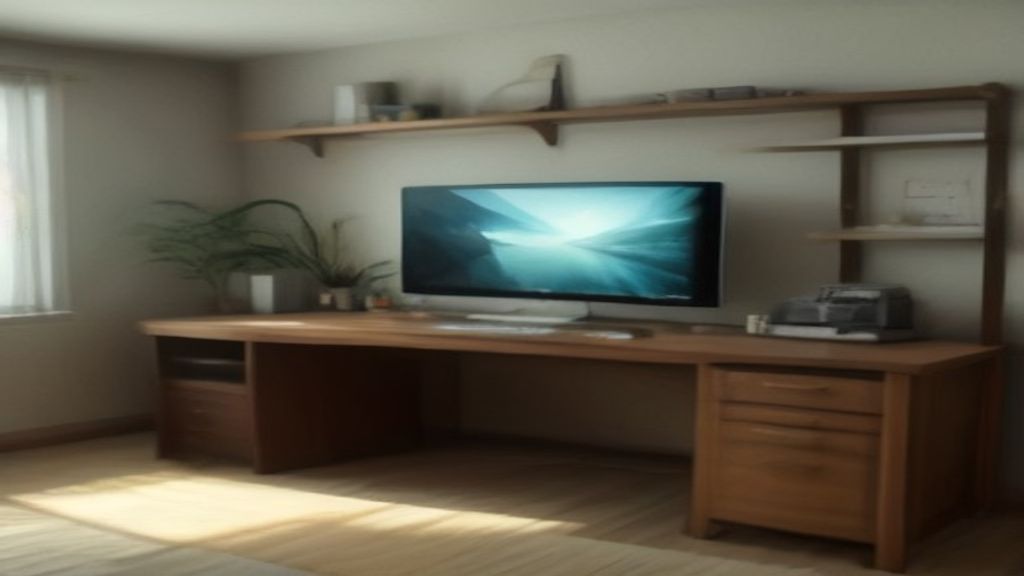
After the legs, the next thing is monitor placement. You've got 80 inches—that's a lot of real estate. But if you push the monitors to the far left and right, you'll be twisting your neck all day. I put mine dead center, about an arm's length away. The keyboard goes in front, and I still have room for a notebook and a coffee mug. That's the setup that's worked for me.
I also learned the hard way that cable management is not an afterthought. The first night, cables hung off the back like spaghetti. My cat thought they were toys. I bought a cable tray and mounted it under the desk—took ten minutes, best thing I did. Now the floor is clear, and I don't kick anything when I stretch my legs.
What about the rest of the room? Measure your space before you buy. I didn't. The desk is 80 inches wide, and my room is just over 10 feet. It fit, but barely. I had to move a bookshelf to another wall. If you're tight on space, check the door width too—80 inches won't go through a standard 30-inch door sideways. I had to angle it, and even then, it was close. If I'd read Full Double Bed Size: The 27-Inch Door Test I Wish I Did First before, I'd have measured the door first.
After a week, I've got a routine. Morning: sit down, the desk doesn't move, and I'm not constantly adjusting it. Midday: I lean back, and it stays put. The surface is solid enough for a dual-monitor arm, which I clamped on the back edge—no problem. The legs don't block my knee space, because I set them slightly outward. That's the one decision that matters: how you position the legs.
I'm not saying this desk is perfect. The instructions are vague, and the screws strip if you overtighten. But if you take the time to level it and think about where your body sits, you'll be fine. The week of setup taught me that more than the desk's looks—it's about the first hour of assembly. Get that right, and the rest is just furniture.
If you're still shopping, here's a quick checklist: measure your room, measure the door, check the leg width (some desks have a 60-inch leg span that might not fit your office), and decide if you want to spend a Saturday afternoon assembling it. If you can't handle that, maybe a Modern White Office Desk: The 48-Inch Rule That Stops the Wobble is more your speed. But if you've got the space and the patience, an 80 inch desk gives you room to breathe—and room for a second monitor, a lamp, and still space to write.
The one factor that decides the buy? It's not the width, not the height, not the color. It's whether you're willing to spend the first hour on the floor with a spirit level. Do that, and this desk will serve you well. Skip it, and you'll be annoyed every time you type. I chose to level mine, and I don't regret it.