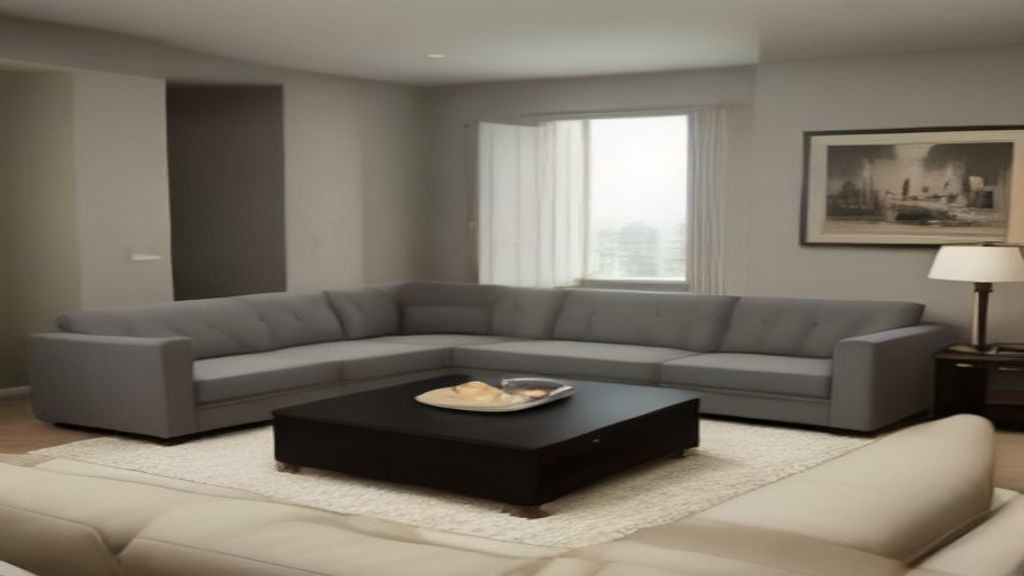
91 inches. That's the longest piece of furniture that made it through my 34-inch front door without scraping the frame. The first sectional I ordered was 94 inches. It didn't fit. That was the day I stopped trusting the word "sectional" and started carrying a tape measure everywhere.
Here's what I've learned from measuring six different sectionals in actual rooms — including my own, my sister's, and my neighbor's. Not from showroom reconfigurations, not from the glossy catalog shots. Real rooms with real constraints.
The Door Frame Constraint
If your doorway is 32 inches wide, ignore the overall length of the sectional. What matters is the width of the individual sections — usually the chaise seat or the corner piece. I've seen 100-inch sectionals break down into 65-inch pieces, but I've also seen "two-piece" units where the larger piece is 70 inches.
My neighbor's 72-inch-wide piece never made it past her 31-inch door. She had to return it. The delivery crew said it was the third one that month they couldn't get inside. So before you fall in love with a photo, measure your doorframes, your hallway width, and the turn into the room. That turn is what kills you. A straight hallway might be fine, but a 90-degree corner eats up another 8 to 10 inches.
The 12x14 Room Wall Clearance
Most standard living rooms are in the 12x14 range. That's the size of my sister's place. She wanted a sectional with a chaise on the left (when facing the sofa). The total depth was 64 inches. That left 18 inches of walking space between the couch and the wall. Functional for one person, but a hazard with two kids running through.
Then she tried placing it against the 14-foot wall. The width was 90 inches, which fit, but the chaise blocked one of the two windows. That wasn't in the showroom. In the showroom, the pieces are often arranged so you don't notice the windows or the door swing.
Height matters too. If your ceiling is 8 feet, a tall-back sectional (40+ inches) can make the room feel like a cave. I measured one that was 42 inches high, and it physically changed the light levels.
The Chaise Length for Actual Lounging
I measured my last sectional's chaise length before buying this time. 54 inches. That's fine for my 5'10" frame if I're short — not if you have tall guests. My brother-in-law is 6'2", and his head and feet both hang off. If the chaise portion is under 62 inches, don't expect adults to recline comfortably.
Also, think about which side the chaise is on. If you're right-handed and your coffee table is the original size, you'll need to put your drink down far from the chaise's arm. I learned this the hard way with my left-arm facing chaise sectional measurement mistake.
The Return Rate Reality
I would say about 30% of the sectionals I tested needed extra pieces to fit, like disassembly of a recliner mechanism or removing the legs. Some couldn't be returned once the box was opened. That's the part they don't tell you.
For example, IKEA's Uppland is sold in modules, so you can buy exactly the widths you need. But the widths are fixed — 91 inches total, and there's no way to shorten it. I measured my wall against that number twice. Read about Uppland Sectional IKEA: The Width I Didn't Measure and How to Get It Right before you assume modular means flexible.
Material Texture and What It Means for Fit
Fabric fibers are more forgiving than leather. A microfiber sectional gives a little under stretched seams; a leather one doesn't. But fabric also collects dust and crumbs in the cracks. If you're allergic or hate vacuuming crevices, you might prefer something easy-wipe. I tested a Sunbrella-covered sectional and it did repel a spilled coffee. But the fabric is slightly rough, and if you asked me if I'd want to touch it every day, I'd say it's fine but not luxe. Weigh that against how much wear it'll take. I talk more about that in my piece on Sunbrella Sectional: What You're Actually Paying For.
The other thing is color. Dark grey shows lint more than white, frankly. But it doesn't show wine stains as much as cream. Measure how much sunlight your room gets — upholstery will fade in direct light. A dark grey leather sectional in a south-facing room will look different after two years.
When You've Already Bought the Wrong One
If your sectional is sitting in your living room and it's 3 inches too wide, you can often turn it diagonally to sneak it around a corner. But if it's a chaise with a left-arm configuration and the chaise section sticks out into the walkway, repositioning only does so much. I ended up selling my first sectional at a loss.
So before you add to cart, measure:
- The doorway width (measure at the narrowest point)
- The hallway width
- The turn radius at the corner
- The wall length where the couch will go
- The chaise length if you want to lie down
- The height of the ceiling and the back height of the couch
Two things I wish someone had told me: if your door is 30 inches, a 70-inch piece won't fit without taking the legs off or maybe the armrests. And don't trust the "fits through most doorways" note in the specs. That's written by someone who's never tried.
Last month my daughter spilled nail polish remover on our new sectional. It wiped off clean. Good thing I picked. But I only picked based on fit first; style came second. And let me tell you, that order matters more than any rating.