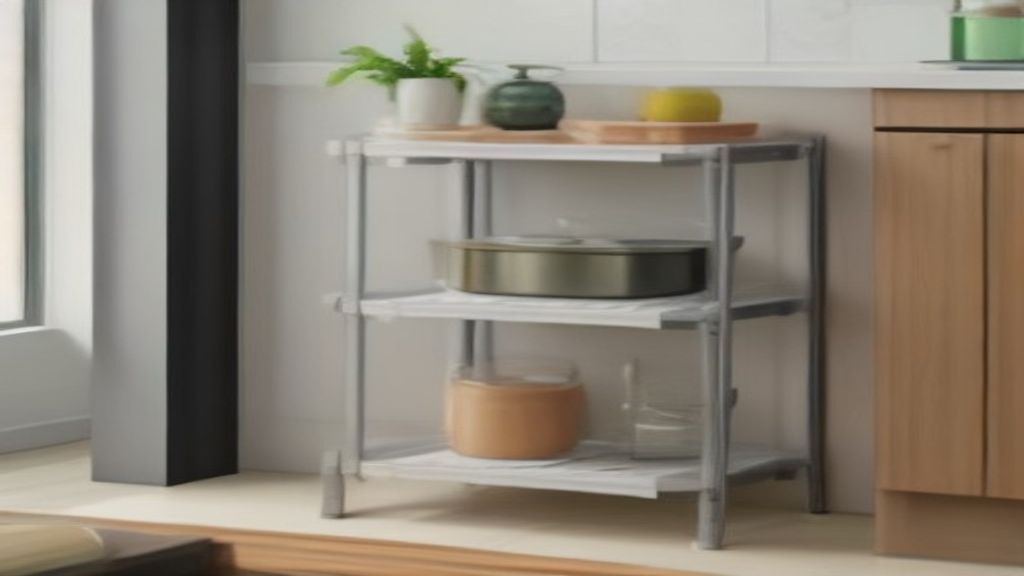
If you're buying a small shelving unit, the first week is going to make or break your opinion of it. I've been through three of them in my apartment and the biggest mistake is almost never the unit itself — it's the depth. You think you just need a bit more storage, so you eyeball the dimensions, and then you put it together and realize your books stick out two inches past the shelf. You can't fix that with shims. So here's what to sweat before you click buy: the depth, the weight rating per shelf, and whether the wall it's going against can handle the footprint. The one decision that matters most, though, is this: are you buying to fit a specific spot, or to hold specific stuff? Most people do the first, and it's why these units end up in a corner with a pile of junk on top. Pick the stuff first, then find a unit that holds it. And don't trust photos — they're shot with wide lenses that make things look smaller. Be honest about what you're going to put on it: a stack of iPad-sized vinyl records is different from a row of 12-inch cookbooks. In my first week, I ran into the classic problem of shelf height not matching what I stored. I'd measured the width, but not the height of my spice bottles. Now I measure the stuff, then the unit. If it's for a narrow hallway, that's one thing. If it's for a bedroom, the whole scenario changes. Look for units with adjustable shelves that you can move around, but even that only helps if you have space to stand the unit while you fiddle. I spent an hour on my knees rearranging clips because I didn't think about the fact that my floor isn't perfectly level. That's the other thing — the floor. If you're putting this on carpet, you'll need to level the feet or everything will wobble. The first week is also when you notice the construction. Particleboard is fine for light stuff, but if you're storing heavy pantry goods, it sags by week two. Metal frames with wire shelves handle more weight, but they dent if you slam a can too hard. And those cheap plastic units? I've had one crack at the connector joints within three days because I overdid it. So, the one decision that decides whether you keep it or return it: are you willing to measure your stuff against the unit's depth, and have you mentally committed to a weight limit per shelf? If you can't say yes to both, it's going to annoy you. I ended up keeping a small metal shelving unit for my kitchen pantry, and it only works because I store canned goods on lower shelves and light plastics on top. If that depth had been two inches shorter, it'd be a paperweight. Measure twice, buy once, and remember: most of these units are built for average boxes, not actual life. More guides in Shelving · Small Metal Shelf: The First Week and the One Decision That Actually Matters · 5-Tier Plastic Shelving: What Fits Your Space Before You Click Buy