The first thing I noticed was the cardboard smell — that new furniture smell you get when the box finally arrives. The second thing I noticed was the floor scrape. The delivery guy and I were trying to angle a 6-foot shelf into my hallway, and we had maybe an inch of clearance on each side. We did get it in, but not before the corner gouged a scratch into my wall that's still there months later.
I'd measured the width, the height, the depth of the office itself. I didn't measure the hallway, the doorway, the stairs, or the turn. That's the mistake almost everyone makes when buying an office shelving unit — they measure the destination, not the path.
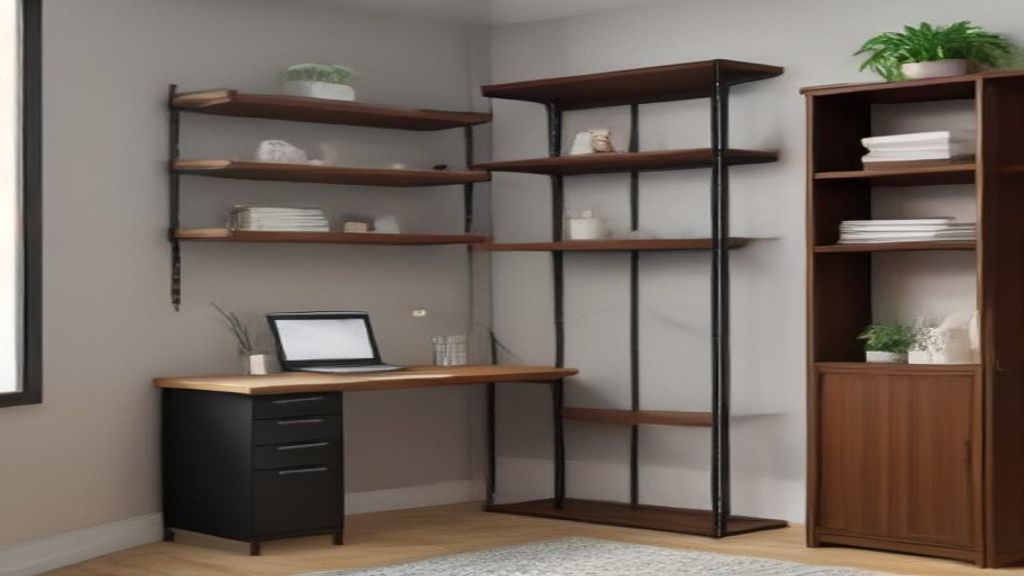
The result? A shelf that technically fits the room but blocks the door and sticks out too far, making the whole corner feel tight. The depth was the real killer: I went with 16-inch-deep shelves to fit binders and boxes, but they jut out into the walkway, so I'm constantly brushing past them. I should've gone with 12 inches or thought about a TV Shelving Unit: What the Price Tiers Actually Get You style, where depth is planned around the room flow.
Before you even think about color or material, grab a tape measure and walk the unit's path from door to corner. Measure every doorway, stairwell, and turn. Write down the numbers. If the shelf comes in pieces you'll assemble in the room, that helps — but know that flat-packed boxes are still awkward to carry.
What you actually need to check
- Depth, not just width – This was my biggest oversight. I measured the wall width but not how far the shelves would stick out. A deep unit can make a small office feel smaller.
- Ceiling height – I have 9-foot ceilings, but the unit I wanted was 7 feet. Looks fine, but if you're considering a unit that goes close to the ceiling, measure the height with the casters or feet included.
- Load rating – I loaded mine with heavy binders and tools, and the middle shelf started bowing after three months. Check the weight rating per shelf and stick to it. For heavy stuff, you need a unit with thicker steel or wood, not just particleboard.
- Assembly time – My unit took two hours to assemble, and I stripped two screws because the instructions were garbage. Budget for that. If you're not handy, maybe look at metal units with simpler connections.
Another thing: think about what you'll actually store. If it's mostly books, paper, and light office supplies, a lighter shelf might be fine. If you're planning to store a printer, a monitor, or any heavy equipment, you need something sturdier. I ended up moving my heaviest boxes to a lower shelf after the bowing started, but that's not a fix.
I also learned that the finish matters more than you think. My unit is a dark wood laminate. It looked great in the showroom, but now it's covered in dust and fingerprints that are a pain to clean. A matte finish or a lighter color hides a lot more. Check the Small Shelving Unit: The First Week and the One Decision That Actually Matters — it covers what happens after the box is open.
The path matters as much as the room
If I could do it again, I'd measure the path first. I'd also check the delivery options — some companies won't bring a big unit past the first floor, so you might be lugging it up stairs yourself. And if you have a tight turn, consider a unit that comes in smaller pieces and is designed to be assembled in-room.
You might also want to look at modular shelving that can be adjusted later. I used to have a setup where I could move shelves up and down, but this unit has fixed shelves. That's been a pain every time I get new equipment that doesn't fit. If you're not sure about your storage needs, adjustable shelves are worth the extra cost.
And really, think about the load. I placed a heavy laser printer on the top shelf, which was a dumb move. The shelf bowed, the printer wobbled, and I had to rearrange everything. The next unit I buy will have a weight rating that I actually respect.
Before you click buy, do this: measure the path, measure the space, and think about what you'll put on it. It sounds obvious, but I skipped the first one, and it cost me time, money, and a scratched wall.
What decides the buy
For office shelving, the single factor that decides the buy is depth — matching the shelf depth to your storage needs and your walkway clearance. Get that wrong, and everything else gets annoying. Get it right, and you'll forget the unit is even there.
If you're shopping, also skim 5-Tier Plastic Shelving: What Fits Your Space Before You Click Buy for a lighter option, or check I Bought a New Desk Without Measuring My Files to see how the same measuring mistake hits desks. More guides in Shelving.