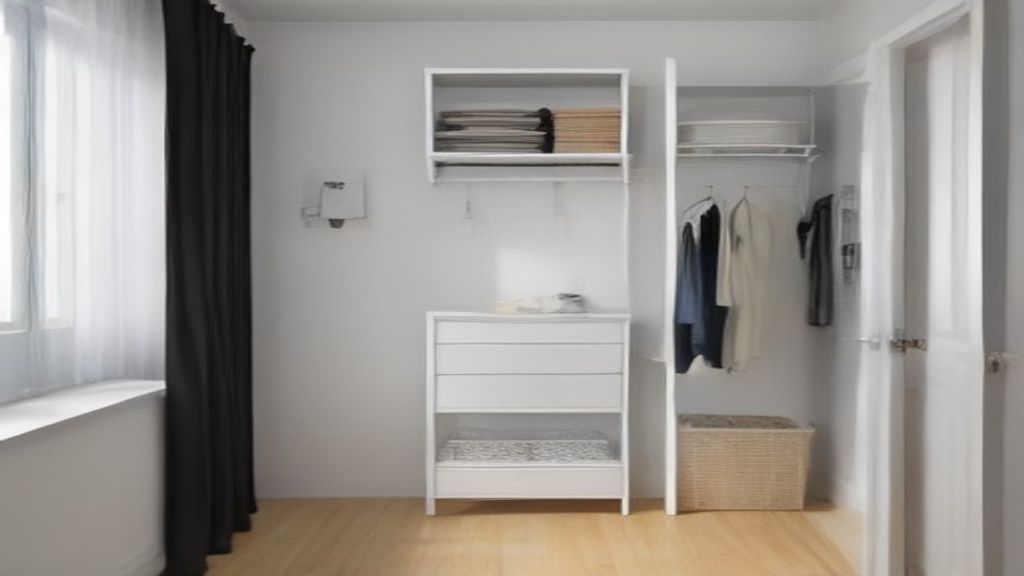
The first IKEA rack I bought was in college, and it fit. Then I moved into an apartment with a hallway that was 24 inches deep, and suddenly the 17-inch-deep rack looked silly. Depth, not width, is the number that actually determines whether an IKEA rack works in your apartment. Width is flexible—you can always fill gaps—but depth is fixed by your wall and what's across from it. Here's what I check now, after three racks and two returns.
Why Depth Matters More Than Width
Floor space in most apartments is shaped like a narrow column. A rack that's 30 inches wide but 12 inches deep fits that column. A rack that's 20 inches wide but 18 inches deep will block a doorway or make your hallway a tight squeeze. I measured the width of my hallway first, twice, and then realized the depth was the real constraint. A quick tape measure check: can you walk past the rack without turning sideways? If not, find a shallower model.
The Weight Capacity You Actually Need
IKEA racks have weight capacities that range from 60 to 100 pounds per shelf, but those numbers assume you're spreading the load evenly. My first rack had a shelf rated at 80 pounds, and I piled books on one side. Within two weeks, the shelf sagged. Now I look for racks with a solid back panel (helps with stability) and distribute heavy bins across multiple levels. If you're storing shoes or canned goods, aim for a rack that's rated at least 75 pounds per shelf, but plan to use only 80% of that.
Assembly: The Wall Mount Question
Most IKEA racks under $100 come with a wall anchor kit. Use it. I skipped it on a 40-pound rack that held heavier bins, and the whole thing tipped forward when I opened the top drawer. The anchor instructions are printed in the manual, but the reason isn't: racks over 30 inches tall need the anchor to keep from becoming a tip hazard, especially in homes with kids or pets. It's a 10-minute job, and it's the difference between a rack standing for years and a rack lying on the floor at 2am.
Return Policy Mistakes I Made
IKEA's 365-day return policy sounds generous, but you need the original packaging. I tossed the box from my second rack, and when it didn't fit the new place, I couldn't return it—only exchange for store credit. That's a lesson in measuring first. Also, IKEA doesn't accept returns on some items that are part of a sale or clearance, so check the receipt. If you're buying online, they'll deduct a pickup fee if you use the courier service.
Who Should Skip the Big Rack
If your space is under 10 feet of continuous wall, don't buy a tall, wide rack. You'll end up either bending around it or shoving it into a corner where it blocks a light switch. A smaller, deeper shelving unit (like a narrow shoe rack or a low cabinet) will serve you better. I've also seen people try to make an IKEA rack work in a walk-in closet that has doors that swing inward—the doors hit the rack, and you can't even get in. Measure that swing radius before you buy. That's the real test.
If you're still deciding between racks, check our Grey Shoe Rack Setup for a week-one reality check, or the Wall Hanging Shoe Rack if your floor is tight. For a bigger picture of IKEA storage, see IKEA Queen Bed to see how I allocate storage elsewhere.
Racked-out or not, I hope the measuring tape finds you well.