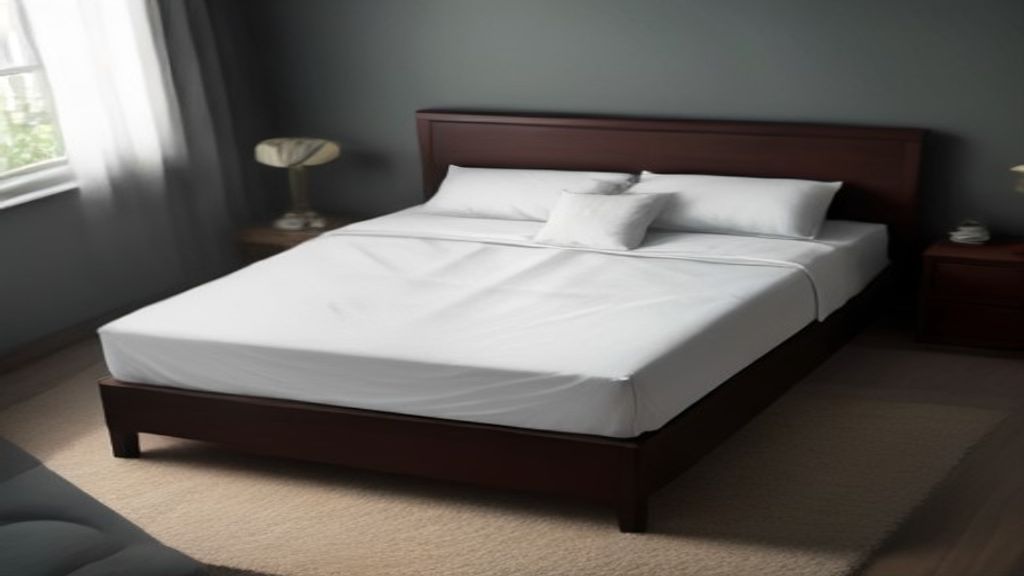
The box sat in my hallway for two days before I opened it. The UPS guy dropped it at 6pm, I moved it inside with a grunt (it's heavy, like 70 lbs heavy), and then I just... left it. Propped against the wall. Because I knew what was coming.
A mattress in a box from Amazon isn't just a product you unbox and sleep on. It's a compressed brick of foam and coils. And the mistake most people make on night one? They unroll it onto the bed frame, rip off the plastic too fast, and then lie down expecting the plush mattress from the product photos. Within minutes they're bloated with buyer's remorse, posting on Reddit at 2am.
It doesn't have to be that way. The trick is time. And not the 24-hour "let it expand" time written on the manual — that's a minimum, not a recommendation.
The gasses need to leave
Fresh out of the vacuum seal, that mattress reeks of chemical foam. It's the off-gassing smell — ammonia-ish, plastic-y, your eyes water a bit. It also means the foam is inert, waiting to spring back. If you sleep on it immediately, you're sinking into a dense, cool slab that hasn't softened yet. Your hip dips awkwardly, your lower back complains. You think you bought a brick.
My first Amazon mattress in a box (a 10-inch gel memory foam, $250) felt like that the first night. I woke up stiff and cranky, convinced I'd wasted money. Then by the third night? The cushioning crept in. The foam warmed to body temperature. The dreaded "hammock effect" disappeared. The mattress became exactly what I'd hoped: firm, but with a soft top layer that let my shoulder settle without pain.
That's the mistake, right there — using a one-night test to judge a bed.
What I'd do instead
Give it 72 hours. At minimum. Let the box sit 24 hours in the room, ideally on its side, so the foam relaxes before you even crack the seal. Then unpack, let it expand flat on the floor (not on a box spring) for another 48 hours. Yes, it's an eyesore in your bedroom. But nobody's coming over to rate your sleep setup.
During those 48 hours, flip the mattress once. Not to break it in — just to let air reach both sides. It helps the foam expand evenly. Actually, the proper method: position it right away on your bed frame (if the frame allows airflow) or on a slat base. On the floor traps moisture. Just let it breathe.
And test it properly. The makers of these mattresses know they have a return problem — people send back beds they haven't even slept a full week on. So they include those "90-night trials." That trial isn't for the company's benefit. It's for you to get past the gear-grinding first days, when the bed feels alien, and reach elysian night five.
If you can't afford the 90-day wait? At least give it the length of three nights before you judge. Because your first night on an Amazon mattress in a box is the worst night it'll ever give you. The spring-back isn't instant — especially in winter homes, when cold rooms make foam solid as kindling.
I've done this twice now (upgraded to a hybrid with coils for edge support, my partner needed it). Both times, the first night was a meh, the second was a maybe, the third was a yes. Now I make that part of the deal: when the box arrives, I plan for it to take up floor space for a weekend. I warn my partner not to step on it barefoot because the plastic is slippery.
Nobody wants their mattress to be a logistics project. But the alternative is sleeping on a half-inflated egg crate and hating yourself. Or, worse, returning a perfectly good bed because you didn't wait three nights.
The real cost of rushing
The return process itself is a trap. You decide Night 1 that the mattress is too firm. You request a return. The company, maybe it's a Chinese brand on Amazon with a silly name like 'Zinus' or 'Sleep Science', they send you a label. But now you have to wrestle a 10-inch foam slab back into its original compression bag — a feat that requires three people, a vacuum, and the patience of a saint. The bag rips. You end up keeping it anyway, having learned your lesson the hard way.
Better to take the three nights. Or if you truly can't stand the thought, maybe these bed-in-a-box products aren't for you. Some people need to lie on a floor model at a retail store. Nothing wrong with that. But if you're shopping on Amazon to save money, expect to trade a little assembly and a learning curve for the lower price.
I still use my Amazon mattress. It's two years old now, twin XL in the guest room. The guests sleep fine and don't complain, and honestly, that's the best test I got.
So yes, the first-night rush is the real mistake. My advice: pace it. Let the foam breathe. Sleep three nights before you decide. It's not complicated — but so few people do it.