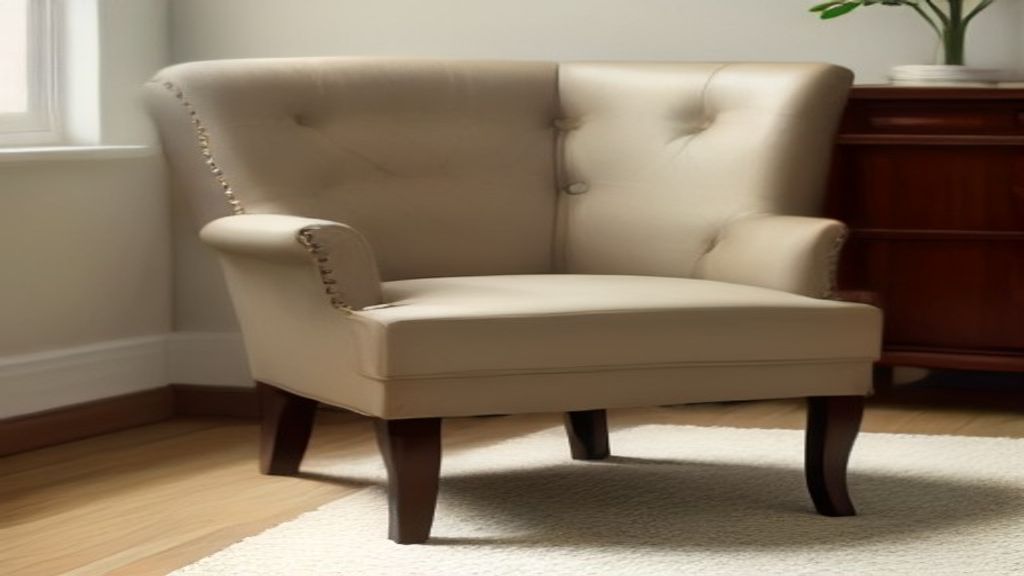
Three inches. That's how much the seat depth of my first tufted side chair was off. I measured the width, the height, the overall footprint — all fine. But I didn't sit in it before buying. That's on me. The chair looked great in the photos, but after a week of using it at the dining table, my thighs went numb by the second course. I kept it, but I learned the hard way. Here's what I wish someone had told me before I clicked buy.
The One Number That Everyone Misses: Seat Depth
Everyone checks the overall dimensions, but the real test is seat depth. I'm 5'10". My current tufted side chair has a 19-inch seat depth. That's borderline. Any deeper and my back wouldn't touch the tufted backrest. Any shallower and my legs would dangle. For a side chair you'll use for more than a quick coffee, you want to sit with your back against the tufting and your feet flat. If there's more than a couple inches between the front edge of the seat and the back of your knees, it's too deep. Measure the chair's seat depth in the store or from the spec sheet. But also — and this is critical — sit in it yourself if you can. Photos lie. My first chair looked perfect in the listing but sat like a park bench.
Arm Height Sounds Like a Minor Detail — Until It Isn't
I never thought about arm height until I had a tufted side chair with arms that were too low. I'm used to armchairs where my elbows rest naturally. This chair's arms were 24 inches from the floor, which put my elbows at an awkward angle. I ended up resting my forearms on my thighs instead. That's not a chair's job. For a dining chair, arms should be low enough to slide under the table, but if you're using it as an accent chair in the living room, you want them around 25–26 inches. My fix: I measured the gap between the seat and the arm. On my current chair, that's 7 inches. That works for me. But if you're taller or shorter, adjust accordingly. You'll be living with that number every day.
Fabric That Looks Good in Photos Can Wear Out in Months
Tufted side chairs scream fabric. But not all fabrics are equal. My first tufted chair had a polyester velvet that looked phenomenal in the listing and felt soft for two weeks. Then the tufting started to flatten. The seat cushion developed a permanent indent by month three. The fabric itself started pilling where my back rubbed against it. I should have looked for a tighter weave or a performance fabric with a higher rub count. I've got a chair now with a cotton-linen blend that's held up better, but it's not as soft. Trade-offs. Also, check the stuffing. If the tufting is too tight, the buttons can create hard spots. That's a thing. I measured my current chair's cushion thickness — 4 inches of foam over webbing. It's firm but not hard. Look for that.
Where Will You Actually Put It?
Before you buy, measure the space. Not just the width — the whole footprint. I nearly bought a tufted side chair with a 22-inch depth. My dining nook only has 18 inches between the table leg and the wall. Would have been a disaster. I measured after I learned my lesson. Now I always tape out the footprint on the floor. If you're putting it in a bedroom corner, check the door swing. If it's in a hallway, make sure you can squeeze past. Sounds obvious, but I've tripped over more chairs than I want to admit. And if you're using it as a desk chair for occasional work, check the seat height matches your desk. My dining chairs are 18 inches at the seat. My desk is 29 inches. That combination works for a quick task but not for an eight-hour shift — see how I measured a drafting office chair wrong once. Different problem, same lesson.
The Delivery Surprise
One more thing: shipping. Nobody talks about delivery until the box arrives and you realize it's 40 pounds of particleboard and fabric. My first tufted side chair came in a box so big I couldn't get it through the front door alone. I ended up unboxing it in the hallway and assembling it there. That was fun. If you live in an apartment, check the delivery method. Some companies use freight carriers that won't even bring it inside. And for a tufted chair, expect some assembly — usually just screw in the legs, but it's still something.
So that's my three-inch lesson. Measure the seat depth. Check the arm height. Look at the fabric weave. And think about how you'll get it into your place. That's the stuff that actually matters. I still use that first tufted side chair, but only as a laundry pile. My second one, I actually sit in every day. But I'd be lying if I said it didn't take me two tries to get it right.