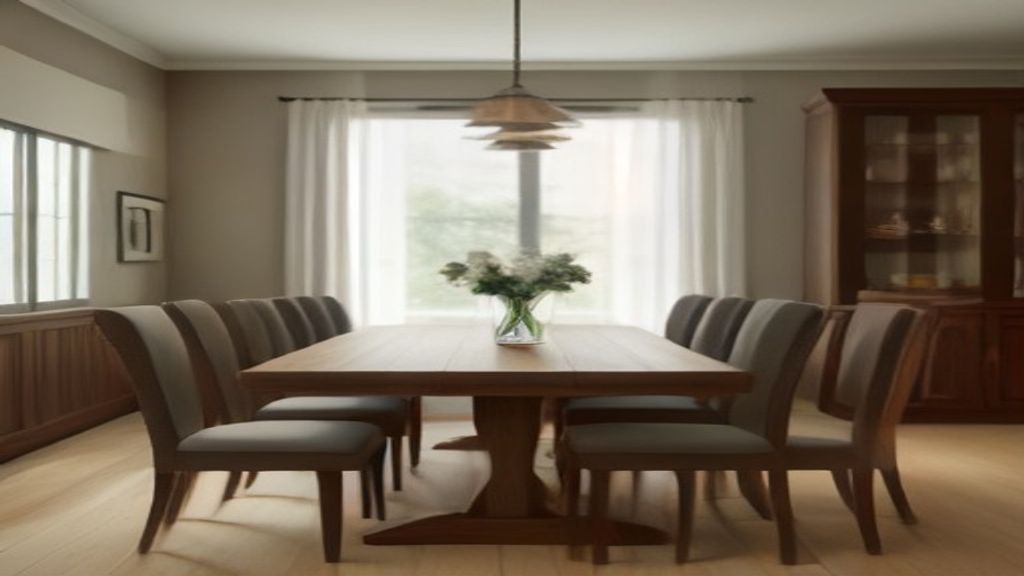
I've tested low back dining chairs in three different rooms, and the single factor that decides whether they work is the seat height. Not style, not material, not price. Seat height.
Low backs look great in open floor plans because they don't block sight lines. But if the seat is too low or too high, your guests will feel it in their knees, and you'll be constantly adjusting. Here's the breakdown.
Why Seat Height Matters More Than the Back
Standard dining chair seat height is 18–19 inches. Low back chairs in my experience tend to run shorter—some at 17 inches or even 16.5. That half inch doesn't sound like much, but paired with a 30-inch high table, you get a 12-inch gap, which feels like sitting in a kids' chair.
I bought a set that claimed 18-inch seat height, but measured 17.2 when it arrived. I swapped the legs to a 1-inch lower riser, and the difference was night and day. Always measure after assembly, not before.
How to Measure Your Table and Chairs in 10 Minutes
Take a tape measure. Measure from the floor to the underside of your table apron or the lowest point that would hit your knees. That's your knee clearance. Then add 10–12 inches for the seat height. If your table apron sits at 28 inches, you need a seat around 18–19 inches.
Low back chairs usually have a lower visual weight, so they can hide a wider seat. But don't go beyond 20 inches if your table is 30 inches—you'll be too close to the top.
Material Choices That Change the Feel
Wood with a low back feels sturdy but can be uncomfortable for long meals. I added a 2-inch cushion to mine and it changed everything. Fabric cushions wear fast if they're in direct sunlight—mine faded in six months. Leather or vinyl wipes clean but feels sticky in summer.
If you're buying online, check the dimensions in the product photos. Many low back chairs have a back that's only 14 inches tall, which means no lumbar support. You'll feel it after an hour. My rule: if the back doesn't reach the middle of your shoulder blades, it's for decoration, not comfort.
The One Factor That Decides the Buy
It's not style, not price, not even comfort. It's the height of the back relative to your table. If the back tops out at 15 inches and your table is 30 inches, you'll see a 15-inch gap above the chair—which looks fine, but if it's a low back intended to tuck under something, you'll have a mess.
Measure the back height, not just the seat. Compare it to your table's clear open area. If the back doesn't extend at least 4 inches above the table apron, skip it.
I've had low back chairs that looked perfect in photos but felt like a bench with arms. They were 29 inches tall total, and my table is 30—so they looked like stubs. After two weeks, I sold them and bought a taller model.
So, before you click buy, grab a tape measure and measure your table's underside. Then add your desired seat height. If the back won't clear that number, move on.
For more on matching chairs to tables, check my notes on the Langford Dining Table and 6 Chairs Set: What I Learned After a Month or the Upholstered Dining Chairs Set of 2: The One Measurement That Saved Me. And if you're dealing with a tight space, the Dining Table with Hidden Chairs: First Week Setup and the One might help.
Also, for any back pain that comes from chairs, I've had luck with Core Strength Without Crunches: The 20-Minute Garage Session That and Modi Yoga: A 20-Minute Sequence for Stiff Hips and Lower Back.