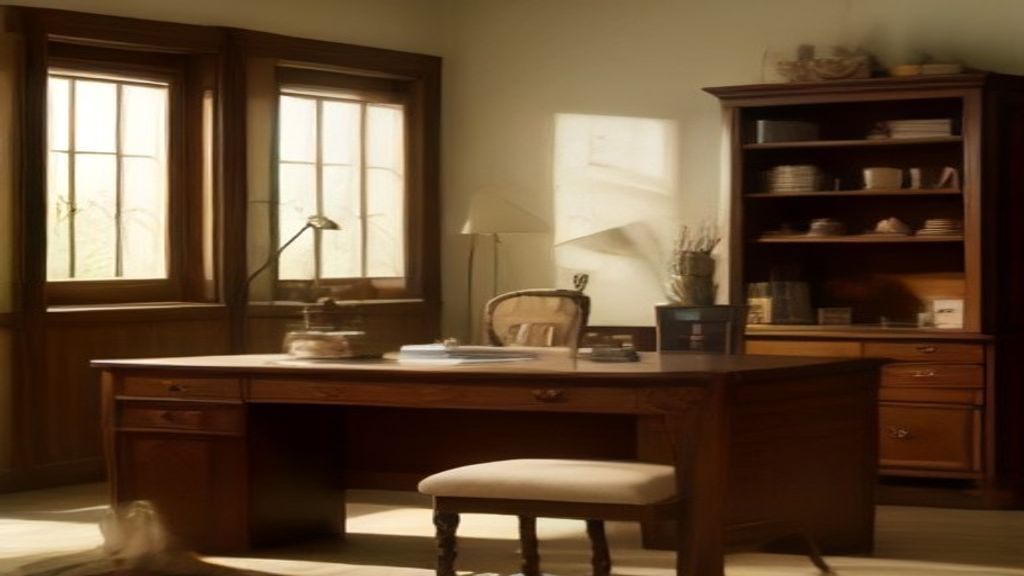
The moment I slid the drawer open, I knew I'd screwed up. It was four in the afternoon, the auction house floor smelled like old wood and dust, and the drawer stuck halfway, groaning like it hadn't moved since 1940. But I wanted that roll-top so bad—the brass handles, the mahogany veneer, the way the light hit the curved back. I paid $450 and had it delivered the next week. That drawer? Still sticks. But that's not the real mistake.
The real mistake was not measuring the hutch height before I bought it. I'd measured the desk footprint—that I did. But I never thought about the hutch. It's 50 inches tall. My window sill is 48. So the desk sits awkwardly under the window, blocking half the light, and the hutch top is a dust shelf I can barely reach. I made that desk a 2-inch mistake that I stare at every day.
If you're looking at an antique office desk, do this first: bring a tape measure, not a credit card. Measure the hutch height, the kneehole width, and the drawer depth. Because here's a thing nobody tells you: antique desks are built for people who wrote letters, not people who sit in an ergonomic chair with arms. My office chair arms won't fit under the desk lip. I rolled up to the desk and the arms hit the underside, so I'm sitting about six inches back, leaning forward like a gargoyle.
Also check the back panels, especially on a roll-top. The tambour tracks get worn, and a loose track means the roll-top jams halfway down. That's not a $50 fix—a new track can cost as much as the desk. And don't forget to check for plywood crates inside the drawers. A lot of these desks were made in the 1950s with plywood under the top. If the veneer is cracked or peeling, that's structural, not cosmetic.
Now, weight. My desk is solid oak, and it weighs about 200 pounds. The delivery guys had to take the door off its hinges and even then it barely fit. So measure your door frame, and measure the hallway. If you're in a walk-up, plan for a crane or a very small desk.
One more thing: don't fill the drawers with heavy books the first week. I loaded mine with printer paper and a few binders, and the slide—the wooden rail under the drawer—split right down the middle. It's a classic antique desk failure. Spread the weight out, or just leave the drawers mostly empty for a while.
And the finish. My desk had a dark shellac that was alligatored in places. I thought I could oil it back. Don't. Shellac is not oil-friendly. I learned that after I made the surface look worse than it did. If you're serious about an antique desk, talk to a furniture conservator before you even look at the desktop.
Honestly, I still like the desk. It's solid, it's got stories. But if I could go back, I'd spend one afternoon just measuring everything and inspecting all the moving parts. That's the mistake I made—I rushed and let the romance of the old wood under bright lights override my brain.
Want to hear about desk depth? Here's my story on I Bought a Desk That Was 2 Inches Too Deep. Here's the Fix.. And if you need a new desk after your antique experience, check Sleek Office Desk: The 28-Inch Rule That Fixed My Wobbly Setup. Also, if you're measuring for a modern setup, I Kept Ordering Wayfair Desks That Didn't Fit My Room—Here's the Tape is a good primer. Or a Solid Wood Roll Top Desk: First Week Setup and the One Decision That might be your next project.
Remember: measure the hutch, measure your chair, check the drawers, and don't fill them with bricks. Now go look at a desk with a tape measure in your pocket. Good luck.