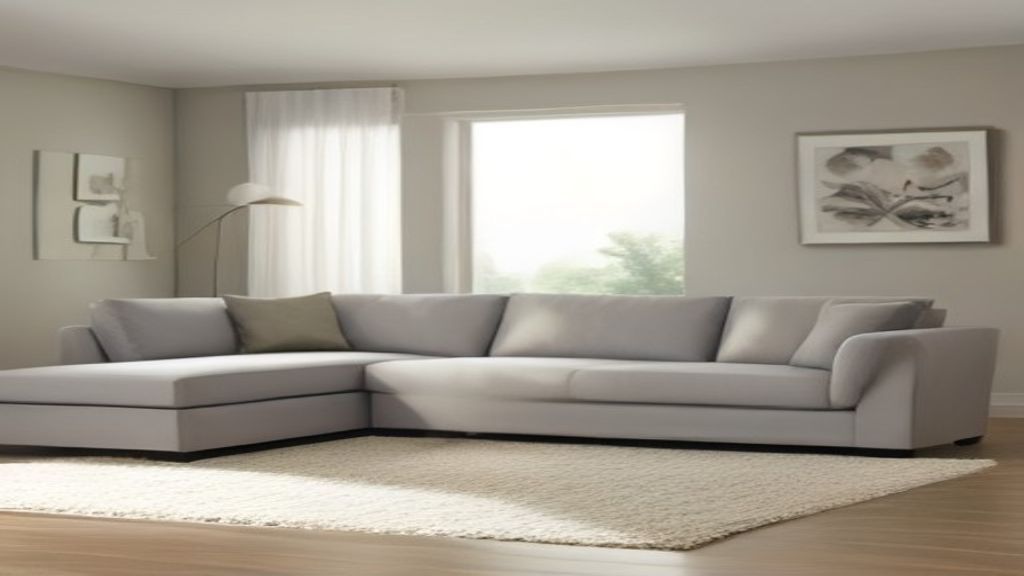
Sunbrella on a sectional can run you twice what the same frame costs in standard fabric. Okay. But here's the blunt truth: it's not always the smart money. I've owned a Sunbrella sectional for 18 months, had a friend who bought the non-Sunbrella twin, and I can tell you exactly where that premium goes — and where it doesn't.
First, the numbers. A 3-seat Sunbrella sectional typically lands between $2,800 and $5,000 for something with a hardwood frame and decent cushions. Same frame with your basic polyester blend? More like $1,500 to $2,500. That's a real gap.
What you get for that extra grand or two:
- Real stain resistance. Spilled red wine on the armrest (yes, I did that). Wiped up with a wet cloth — zero trace. My friend's non-Sunbrella needed a professional clean within a year.
- Fabric that survives pets. Cat claws and dog nails don't fuzz it up like most fabrics. A year in, the Sunbrella looks close to new.
- UV stability. If your sectional is near a window, Sunbrella won't fade the way polyester does. My couch is in a south-facing room, and after 18 months, the color is gone from the edges.
But the premium doesn't buy everything. The frame and cushions are the same as any other sectional — Sunbrella is just the upholstery. If your cushions go flat in a year or the frame creaks, that's not Sunbrella's fault. You're paying for the fabric, not the build quality. I'd rather have a $2,000 non-Sunbrella with a kiln-dried hardwood frame than a $3,000 Sunbrella on a particleboard base.
There's also the texture thing. Sunbrella is woven acrylic — it feels more like canvas than the soft chenille you might be used to. If you want a cuddly sofa, this isn't it. It's a bit tablet, which is fine for a sunroom or a place with kids, but it's not the same comfort as a thicker weave.
Cleaning is mostly a breeze: water and mild soap. But stains that set in can be stubborn, and Sunbrella doesn't magically repel everything. Oily spills (think salad dressing) can still mark it if you don't get to them fast. And some of the lighter colors show dust and lint more than you'd think — I've got a light gray one and it needs a vacuum weekly.
So when is a Sunbrella sectional worth it? If your sectional sits in a high-traffic area with kids, pets, or impromptu spills — yes, the durability is worth the extra dollars. If you're buying for a formal living room that's mostly for show, it's overkill. Save your money and spend it on better cushions instead.
Before you commit, measure your doorway. Sunbrella sectionals tend to come in modular pieces, but not always — some are one solid block that's impossible to get up stairs. If that's the case, look for something with removable backrests.
One more thing: don't buy a Sunbrella sectional just for the name. There are other solution-dyed acrylic fabrics that perform similarly for less. Look for fabric with at least 50% acrylic content and you're getting most of the benefit.
At the end of the day, the factor that decides the buy is your actual lifestyle. If you live like I do — dogs on the couch, movie-night popcorn, the occasional late-night wine glass — Sunbrella earns its price. If you're more cautious, skip the premium and put the difference toward a better frame.
Related reads:
- Dark Grey Leather Sectional: What Three Moves and Two Kids Taught Me
- A Plain-English Look at Grey Microfiber Sectional
- Sofia Vergara Sectional in a Real Living Room: What Fits and What
- Ashley Sectional Price Reality: What You Actually Get for $900 vs