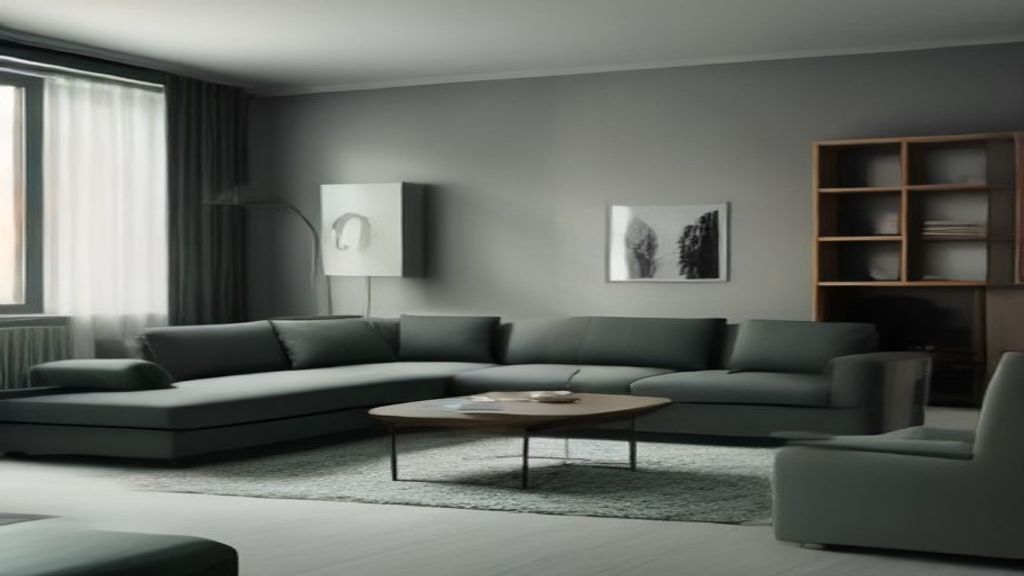
Three weeks in, I finally figured out why my green and grey living room looked like a wet sidewalk: I had mismatched undertones. My grey sofa leaned blue, my green rug was olive, and together they made a swamp. Since then, I've tested about fifteen paint chips and fabric swatches. Here's the only thing that works.
Rule 1: Grey is the background, green is the accent
If you try to make them equal, you get a fight. Pick one grey for the walls or large sofa, and let the green show up in pillows, a chair, or a rug. I went with warm grey walls (greige, really) and a deep forest green armchair. It reads as intentional, not accidental. If your grey is cool, you need a green with blue in it, like spruce. If your grey is warm, go olive or sage.
Rule 2: Add a third neutral that isn't white
Plain white trim can make the whole thing feel sterile. I used a soft cream (Benjamin Moore's Navajo White, but any warm off-white) for pillows and a throw. It softens the contrast. Beige or tan also works. Try a natural jute rug – that's what saved my first setup.
Rule 3: Test greens in your actual light
That green you love in the store? It'll look different at 6pm with your lamps on. I painted a 2x2 foot swatch and left it for three days. The grey made my green look more yellow. Turns out my grey had a hint of brown I hadn't noticed. So test, then commit. Buy samples first, not full cans.
If you're after a bigger change, a Blue Sectional Living Room: The One Way to Get the Color Right is another route. Or if you're still deciding on the grey itself, my Gray Living Room Sets: The First Week and the One Decision post covers what I learned about fabric and delivery. And for the table between the two colors, Grey Oak Coffee Table: Don't Buy One Before You Measure These 4 Things will save you a return.
My last living room was a complete redo after I ignored all this. Don't be me. Start with one grey, one green, and a third neutral. Took me three tries to get it right. Hopefully you'll do it in one.