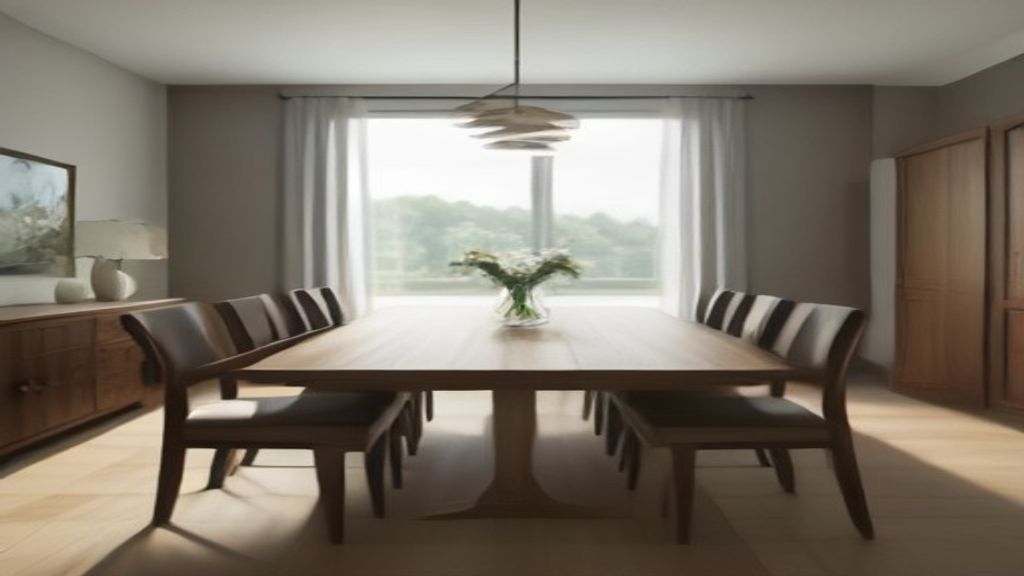
Your RH dining table just landed on the truck, and the delivery crew is already eyeing the staircase. You've got about 60 minutes before the boxes are in the room and you're left with a pallet jack, a pile of packing foam, and the sudden realization that this thing is never going back into the box easily. I've been there. Let's talk first-week setup, and the one decision that actually matters before you move a single chair.
The Leg vs. Pedestal Fork in the Road
Most RH tables—the big oak trestles, the marble rounds—come in two undercarriage flavors: four legs or a central pedestal. You already picked one when you ordered, but here's the thing nobody tells you: you'll live with that choice every time you sit down, scoot a chair in, or try to vacuum under the damn thing.
I put together a 30-inch-wide oak beast with legs. Looks great. But the leg placement made two of the four side chairs impossible to pull out without scraping the floor. The pedestal models—especially on the bigger rounds—let you shift people around without hitting a metal corner every time your knee swings.
If you haven't assembled yet, and you're still within the return window (RH gives you 30 days on most pieces, but verify the exact terms on your invoice), physically simulate the layout. Pull four chairs up. Fake it with an old folding table if you have to. If the legs are in the way, swap for pedestal before you scratch the finish.
Measurements You Actually Need
Before you unbox anything, grab a tape and measure the door. RH's freight crew doesn't wait while you figure out if a 78-inch table fits through the hallway. I once had a near-miss with a 96-inch that needed a 92-inch clearance. We angled it, shaved an inch of drywall, and swore a lot.
Check the floor dimensions with chairs pulled out, not just the table top. You need at least 36 inches from table edge to wall for someone to sit and another 24 to walk behind them. That's the rule I use now: table width + 60 inches on each side. If your room is a hair over 10 feet wide, you're already in the red zone.
And measure the ceiling. It sounds stupid, but if you're getting a high-backed chair or a piece with a hutch, you'll bang the crown molding. I've done it. It's not fun.
Unboxing and the First Dinner Test
The boxes themselves are heavy. Two-person lift, minimal swearing. Use cardboard sliders if you have hardwood—the felt pads that come with the table are not enough for a 200-pound walnut slab.
After assembly (which took me about an hour, mostly because I ignored the instruction that said "tighten screws gradually," don't be me), do the dinner test. Set out four plates, glasses, a bowl of something. Eat there. Live there. This is not a waste of an evening—it's the only way to catch the corner leaf that's slightly proud or the wobble on one leg that you'd never notice until a toddler slams a cup down and it launches across the table.
That first-week meal will tell you if the table is too high for the chairs, whether the edge digs into your forearms, and if the stain shows every water ring. RH tables are usually solid on that front, but I've seen ones that needed a second coat of oil on the top within a month.
Why This Decision Matters for the Next Ten Years
Leg vs. pedestal isn't a style question—it's a functionality question. If you host Thanksgiving once a year, legs are fine. If you live in a house with kids and homework and occasional pizza nights, the pedestal gives you more room to spread out and fewer bruised shins.
Also, think about the bases. RH's slim metal pedestals on the glass tops look clean but sometimes slide on tile. The wide oak bases are rock solid. I'd pick the wider base every time, even if it takes up a bit more floor space.
The Room Layout That Saves Your Sanity
Don't push the table to the center and call it done. Measure the light fixture—that's the other mistake. A 12-inch pendant hanging over a 40-inch table means you're squinting at your plate and the pendant is in someone's face. Lower the light to about 30 inches above the tabletop if you can, and let it hang dead center.
Then, rotate the table so the long side faces the kitchen if you have that choice. It's easier to carry a pot of food from the stove to the table if you're not walking around two extra corners.
And for the love of everything, buy felt pads for the chair feet. RH's metal glides will ding your floor if you let them. I learned that the hard way.
The Return Window Is Your Friend
This is the part nobody wants to hear: you have 30 days (sometimes 45, but assume 30) to return it if you got it wrong. That means eating at it, sitting at it, spilling a drink on it—intentionally or not—within the first week. If the table is too high, too wide, too heavy to live with, now's the time to call RH and arrange a pickup. They'll usually do it free, but make sure you have the original packaging. That's a pain, but it's better than being stuck with a piece that never fits.
In my first month with an RH table, I swapped two chairs, lowered the pendant, and bought a new dimmer switch. The table itself I kept—the thick oak top, the slight grain variation—I got used to the legs. But if I ever go bigger, I'm going pedestal.
Now, measure your doorway one more time before you unbox. Seriously.
If you're still in the shopping phase, check out my notes on IKEA dining chairs and how they compare on seat height—it'll save you an afternoon of returns. And if you're set on a traditional look, formal dining room sets are all about the door clearance. The same first-week logic applies—just with more upholstery.
Ready to assemble? Lay out the hardware, grab a beer, and don't skip the oil treatment. Your table will thank you in six months.