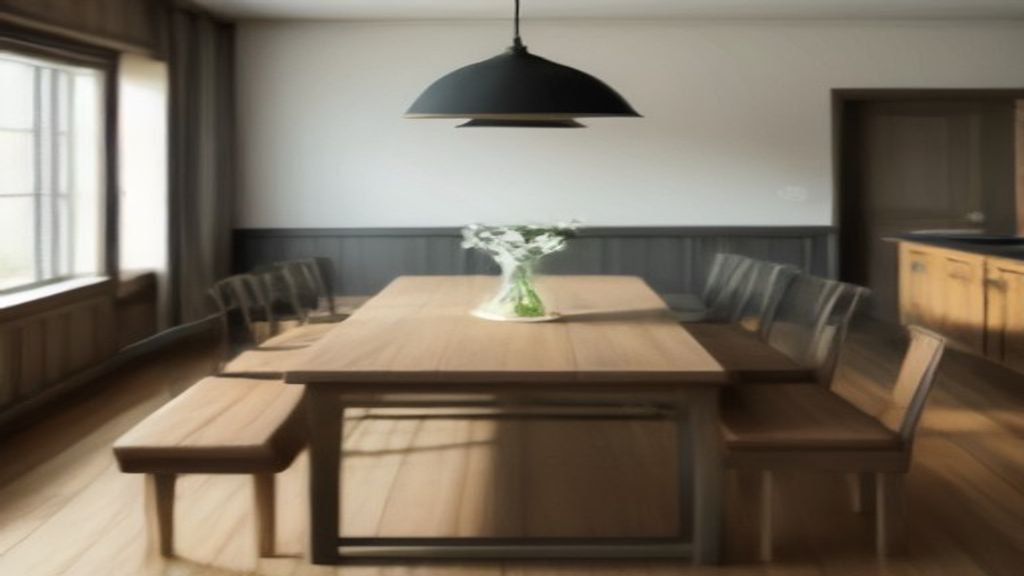
The Mistake I Made with a Dining Table with Padded Bench and Chairs
I ordered a dining table with padded bench and chairs because the photo looked like a Pinterest board. The bench was 8 feet long, the fabric was light gray, and the table was a rustic oak. It arrived in three boxes. The bench came in two pieces. The chairs came in four. The table top came in one massive slab that barely fit through my front door. I didn't measure the hallway. I didn't measure the bench height against my existing table. I didn't think about leg room. I now have a dining table with padded bench and chairs that sits in my garage for two weeks before I could even get it inside.
That's the mistake: everyone shops with their eyes. They see the fabric color and the wood tone. They don't think about how a bench actually fits under a table, or how the fabric wears after a year of kids and dog hair. If you're thinking about a dining table with padded bench and chairs, stop looking at the styling and start measuring.
The Leg Room Problem Nobody Talks About
Benches are not chairs. When you slide a bench under a table, the bench legs hit the table legs. My table has a trestle base—two big supports at each end. The bench is 8 feet long, but the base supports are 6 feet apart. The bench legs are at the corners, so when I push the bench in, the bench legs hit the base. I have to leave the bench pulled out about 6 inches, which wastes space in my narrow dining room.
If you're buying a dining table with padded bench and chairs, measure the distance between the table legs. Then measure the bench length. The bench legs need to fit between the table legs, or you'll have the same problem. My neighbor has a pedestal table, and the bench slides under fine because the pedestal is centered. But with a trestle base, it's a mess.
Also, consider the bench height. Standard chair seat height is 18 inches. My bench is 17.5 inches. The padded seat compresses to about 16.5 when someone sits. That's an inch lower than the chairs. So when you sit on the bench, your elbows are lower than the table. It's noticeable. You feel like you're eating at a lower counter. If you're mixing bench and chairs, they should be within 0.5 inch of each other in seat height.
Fabric Wear: The Test I Should Have Done
My bench fabric is a polyester blend. It's soft, but it stains. After three months, there's a coffee stain that won't come out. The fabric isn't removable. I've tried every cleaner. It's permanent.
If you want a dining table with padded bench and chairs, get fabric with a high rub count (over 30,000 double rubs) and a stain-resistant finish. Performance fabrics like Sunbrella or Crypton are worth the extra cost. And make sure the cushion covers are removable and washable. My neighbor has a bench with zippered covers, and she just throws them in the washing machine. I can't do that. I have to spot clean, which doesn't work.
Also, think about the padding. My bench seat is 2 inches thick. After a year, it's flattened. The foam is low-density, so it compresses. If you want the bench to stay comfortable, get high-resilience foam or at least 3 inches of padding. My chairs are better—they have 3.5 inches of foam and they still feel okay.
The Size Trap: What Fits vs. What Looks Good
I bought an 8-foot bench because the table was 8 feet. But the room was 10 feet wide. The bench takes up 8 feet of that, leaving 1 foot on each side. That's not enough to walk behind someone who's sitting. If you want to walk behind a seated person, you need at least 3 feet of clearance. So the bench, plus the table, plus the chairs on the opposite side, left me with barely 18 inches of walking space. It's cramped.
What I'd do differently: measure the room, subtract the table length, then subtract the bench length. If you have less than 3 feet on either side, go with a shorter bench or no bench. A 6-foot bench with 2 chairs would have been better. But I didn't think about that because the photo showed a long bench stretching the full table.
Also, consider the bench's width. My bench is 18 inches deep. That's standard, but it sticks out more than a chair. A chair takes about 20 inches of depth when pulled out, but a bench is a solid block. When you push the bench in, it still takes up 18 inches from the wall if you have it against a wall. With chairs, you can push them under the table, and the table hides them. With a bench, the bench is always visible.
How to Avoid My Mistake
1. Measure the distance between table legs. Make sure bench legs fit between them.
2. Compare seat heights of bench and chairs. Keep within 0.5 inch.
3. Ask for fabric with high rub count and stain resistance. Get removable covers.
4. Measure the room clearance. Leave at least 3 feet for walkways.
5. Think about whether you actually need a bench. If you have kids, a bench is nice for squeezing extra people. But if you entertain adults, chairs are more comfortable because you can adjust them.
Who Should Skip the Bench
If your dining room is less than 12 feet wide, skip the bench. If you have a trestle base table, skip the bench unless you measure the leg spacing. If you have kids who spill, get a bench with removable covers or a synthetic material like leather or vinyl. And if you don't want to deal with fabric wear, skip the padded bench altogether. A wooden bench or chairs are easier to maintain.
I still use my dining table with padded bench and chairs, but I only use the bench for extra seating when we have guests. The chairs are the primary seats. The bench is a pain to push in and out, and the fabric is already stained. I'm planning to replace the bench with two more chairs next year. If you're on the fence, think about how you actually use your dining room. If it's for daily meals, stick with chairs. If it's for big family gatherings, the bench might be worth the hassle.
For more insights on choosing dining tables, check out More guides in Dining Tables.
Also, if you're considering swivel chairs, read Swivel Dining Chairs with Arms: My Table Width Mistake and What to Do. And for glass table buyers, see Round Glass Top Dining Table Set 4 Chairs: Pick the Base, Everything.
If you're looking at high-end options, I've learned from my Pier 1 experience: Pier 1 Dining Table: What I Learned About the Wood Before I Bought. And for those first-week setup issues, RH Dining Tables in the First Week: The One Decision That Sets the Tone.