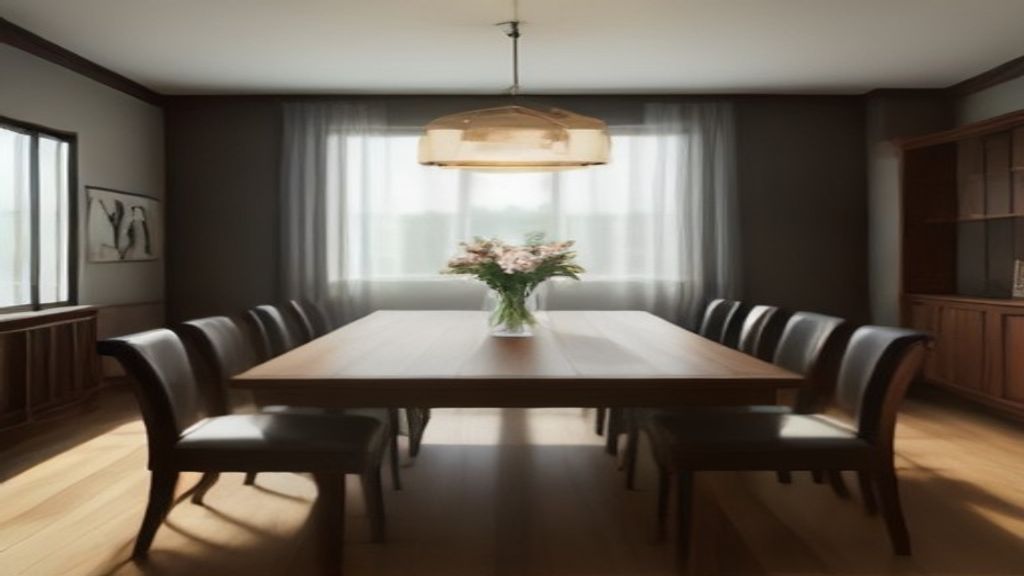
The Mistake I Made
I bought a 96-inch dining table set for 8 without measuring my dining room's width. The table fit, technically, but the chairs couldn't slide back more than 6 inches before hitting the wall. Every dinner felt like a game of Tetris. My mistake? I measured the table, not the room. You'll do the same if you don't start with clearance math.
What to Measure First
Before you even look at dimensions, grab a tape measure and a pencil. You need three numbers:
- Room width: the shortest wall-to-wall distance.
- Room length: the longest.
- Ceiling height (only if you're considering a bench or a big light fixture).
For a table that seats 8, you're usually looking at a table that's 72 to 96 inches long and 36 to 42 inches wide. Add 24 to 36 inches on each side for chair pull-out and walking space. That means your room should be at least:
- Width: table width (42) + 2 × 24 (chair clearance) = 90 inches (7.5 feet).
- Length: table length (96) + 2 × 36 (walking space) = 168 inches (14 feet).
If your length is short, consider an extendable table. I've used one from this guide on extendable dining table sets that fits 6 daily and expands to 8 when needed. That's a practical compromise for narrow rooms.
The Chair Pull-Out Test
You can't just measure the chair width and the table width. The real problem is the chair's back when someone leans back. A standard chair needs about 18 inches of clearance behind it to allow sliding back from the table without scraping the wall. And if you have a bench, you need even more—benches slide out as a unit, so add 6 inches.
Do this: measure from the wall to the table edge, then subtract 18 inches. If you have less than that, you'll either squeeze past chairs or scrape the wall. I ended up moving my table 4 inches closer to the window to make it work, but I'd rather have planned for it.
Delivery Day Reality
Most dining table sets for 8 ship in two to three boxes. My set came with the tabletop in one box, the legs in another, and the chairs in a third. The delivery driver brought them to the curb—nothing else. If you live on a second floor without an elevator, plan for help. The tabletop alone weighed 85 pounds. I measured the stairwell width before ordering; if the tabletop can't make the turn, you're stuck.
Also check the manufacturer's return policy. My neighbor bought a 96-inch table that wouldn't fit around the corner, and the store charged a 15% restocking fee plus return shipping. That's money you don't want to lose.
The One Concrete Next Step
Before you click "buy," do this: tape out the table's footprint on your floor using painter's tape, including the chair space. Pull out the chairs (use real chairs from your kitchen). Live with it for an hour. That's the only way to know if it works. If it feels tight, you'll find out now, not on delivery day.
For more on measuring before you buy, read this on black wood dining tables — the same measuring logic applies. Or if you're considering a glass top, check the legs before you fall for the top.