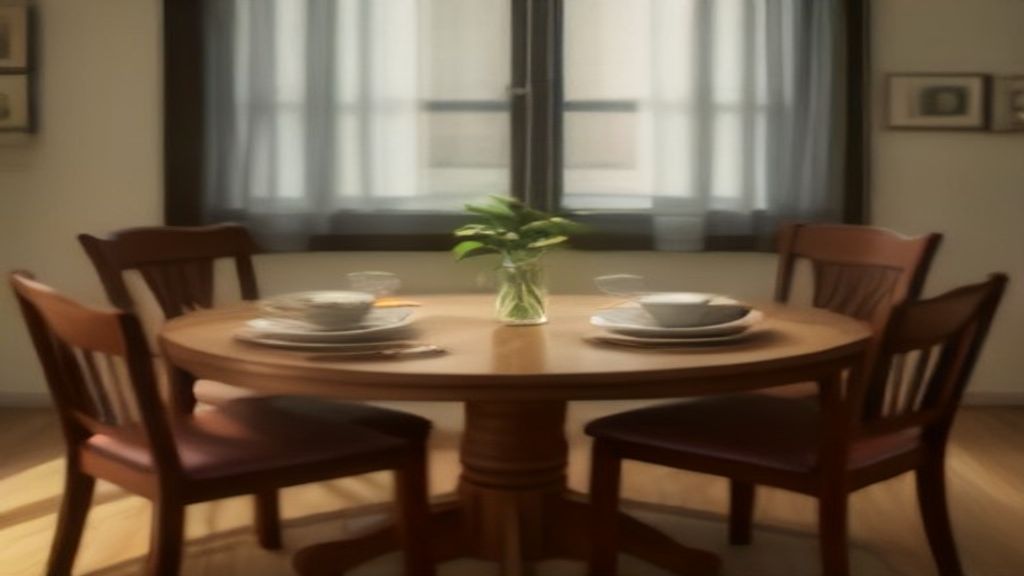
First attempt: a 30-inch round table that looked perfect online. It sat two, but our plates hung off the edge and the chairs hit the wall. Second attempt: a 36-inch square with a pedestal base—looked great, but the base took up the leg room and the corners scraped my shins. Third time, I measured everything, added a leaf, and finally kept one. Here's what I wish I'd known before the first return.
Size is not just width
A table for two usually means a 30–36 inch round or square, or a 48-inch rectangle. But width is only half the story. You need about 24 inches of table edge per person, plus 18 inches from the edge to the wall or furniture for chairs to slide out. My 30-inch round failed because that left only 12 inches per person—plates overlapped and glasses were dangerous. The 36-inch square gave 18 inches per side if we sat opposite, but corners stuck out and bumped the wall. The winner was a 42-inch round that dropped to a 30-inch round with a leaf. When the leaf is out, it's a proper square for two, and when it's tucked, the room breathes.
Leaf or no leaf
A drop-leaf is brilliant for small spaces. You can have a 30-inch round that expands to 42 inches—that's what I use now. But leaves add moving parts. The hinge on my second table was flimsy; after two weeks, the leaf sagged. If you're buying a drop-leaf, check the mechanism: solid metal hinges, not plastic. Also, some leaves require the table to be pulled from the wall, so measure the floor space when the leaf is extended. My current table needs 18 extra inches behind it.
What the specs don't tell you
A 30-inch table might seat two for coffee, but dinner means bowls, plates, and a bottle of wine—and that's cramped. Also, check the apron: a table with a deep apron can trap your knees. My first table had a 4-inch apron that hit my thighs. I didn't think to ask about that. And delivery: a 30-inch round came in a huge box that nearly didn't fit through the door. The delivery guy left it in the hallway, and I had to unpack it there—imagine the mess.
Budget reality
You can find a decent two-seater for under $200, but it'll likely be MDF or have a wobbly leg. For $300–$500, you get a solid top (maybe rubberwood) and better hardware. For $800, you get real wood, a thick top, and a leaf that actually works. My final table was $450, and it's been fine for a year—no wobble, no sag. For more on what that money buys, read What $300 vs $800 Gets You on an eBay Dining Table.
What I'd do differently
I'd measure the room first, but also measure the path from the door to the room. I'd test the leaf mechanism before buying. And I'd consider how often I host—if it's twice a year, don't buy a two-seater; get a four-seater with a leaf. But for daily mornings and quiet dinners, a table for two is just right.
After all those returns, I'm done. This one stays. Well, at least until I move.