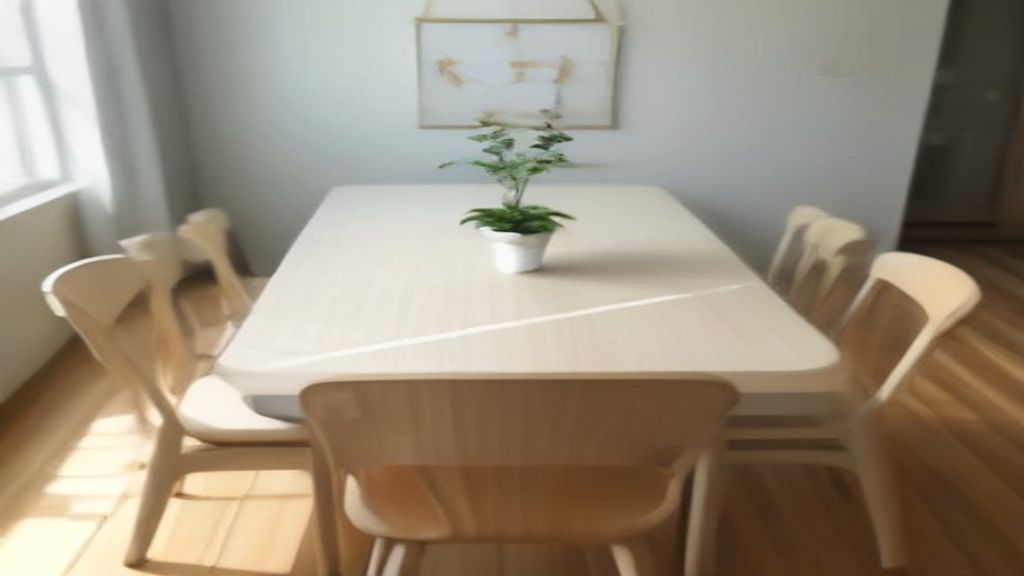
Thirty-four inches. That was the width of the white dining table I almost bought — a cute little thing with a marble-look top, the kind that looks perfect in every staged photo online. My apartment's dining nook is only 8 feet wide, so a 34-inch table seemed like the obvious pick. I clicked order before checking how wide my chairs were. That was mistake number one.
I got lucky — the table was backordered and I canceled in time. But the lesson stuck: when you shop for a small white dining table and chairs, the chairs are the real problem. The table can be 30 inches wide and still fit, but if the chairs hang out past the table's edge, you'll be squeezing past them every single meal.
See, chairs don't just need the width of the seat. You need room to slide them in and out, plus a few inches so you don't scrape the wall. My dining chairs are 18.5 inches wide at the seat, but the armrests flare out to 23 inches. That's 46 inches of chair width against a 34-inch table. Would've been a disaster.
Here's the measurement I actually used after canceling: table width minus chair width on each side. For a 34-inch table and 22-inch-wide chairs, that leaves only 6 inches of overhang per side — not enough to pull the chair back from the table if someone's sitting on the wrong side. You want at least 10 inches per side of clear space around the table, plus the chair depth when pushed in.
And don't forget the depth. A 34-inch table is usually 30 inches deep (that's the short side). But your chairs need about 18 inches of seat depth, plus a 15-inch clearance behind them for people to stand. If the table is up against a wall, that depth gets eaten by the chairs' backs. I measured my nook and found that a 34-inch table against the wall meant the chairs left me exactly 21 inches of walking space — barely enough, and only if I didn't mind scraping my hip.
So what do you do instead? For a small space, look for a table that's at least 36 inches wide, maybe even 40, and pair it with armless chairs. Armless chairs run narrower — around 18 inches — and can tuck fully under the table if the aprons are low enough. I ended up with a 38-inch round white table and two armless wooden chairs. The chairs slide completely under, so when they're pushed in, the room looks bigger than it is.
One more thing: the finish. My white table is a matte laminate, and it's held up fine for six months — no yellowing, even with coffee cups sitting on it. But the same table in a glossy finish would've shown every smear. If you have kids or just live like me, go with a matte or a textured white. It hides the crumbs better.
Save yourself the aggravation. Measure the chairs first, then find the table. Or better yet, measure the chairs you already own and add 20 inches on each side — that's the minimum footprint for a small white dining table set that actually works for eating, not just for photos.
Next step: grab your measuring tape, write down the width and depth of your regular dining chairs, and compare it to the clearance in your room. That’s your number — start your search there.