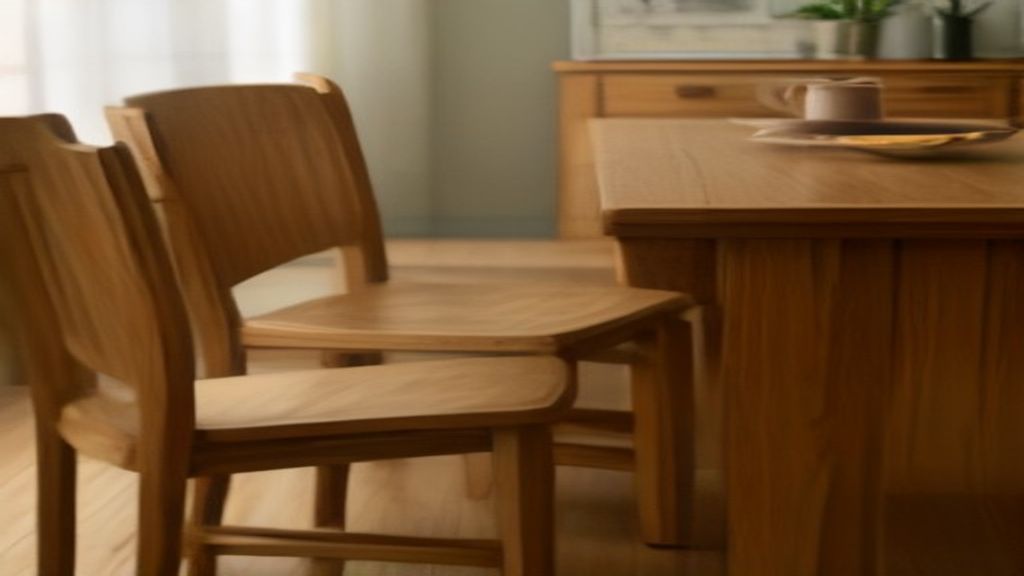
I ordered six natural oak dining chairs online, because the photos showed a warm, honey-toned wood that would match my refinished table. I didn’t measure anything. When the boxes arrived, I unboxed one and slid it under the table. The seat hit the table’s apron at 18 inches—two inches too tall. The chair wouldn’t slide in. I had to keep it pulled out, which meant everyone dragged it awkwardly. I returned all six and ate the shipping cost. That’s the first-week lesson: measure the seat height before you bolt the legs on.
Why Everyone Measures Wrong with Natural Oak
The listing said “seat height 18.6 inches.” My table’s apron sits at 16.5 inches from the floor. I never checked. Natural oak chairs often look slim, but the seat height varies wildly—17 to 19 inches. I’ve seen cheap ones where the seat isn’t even level, so it wobbles. Measure your table’s clearance first. If the seat can’t tuck under, you’ll hate it every meal.
My First-Week Setup Order (Not the Order You’d Think)
I unboxed all six before checking anything. That was dumb. Now I do this:
- Unbox one chair. Inspect the wood grain and finish.
- Measure seat height, seat depth, and width. Compare to the table.
- Sit in it, wiggle the frame. Feel for squeaks or loose joints.
- Only then assemble the rest.
I also check the finish. Natural oak is usually a clear coat with a light stain. Some chairs are raw—they’ll absorb water spots like a sponge. I wiped a damp paper towel on the armrest of mine. It left a faint mark that vanished after drying. If it had stained, I would have returned it immediately.
The Finish Fade in Week Two
I placed the chairs near a west-facing window. By day five, the oak started to amber—normal, but faster than I expected. The back legs, hidden from sun, stayed paler. If you care, rotate the chairs weekly. And use coasters for cups; a hot mug can cloud a cheap urethane finish. I saw it happen on my kitchen table.
Decide This First: Style vs. Comfort
Natural oak chairs split into two camps: dining chairs with arms and side chairs without. Arms catch on table edges and feel bulkier. For a tight dining nook, skip arms. My first set had arms; they pressed against the table. I swapped to side chairs, and the space opened up.
Another decision: padded seat vs. solid wood. I tried a solid wood seat for a week. It was hard on my lower back after 20 minutes. I found a set with a thin cushion—still oak frame, but I could sit through a long dinner. You might be fine with bare wood. Test it before you commit.
Measure the Delivery Reality
Natural oak chairs weigh 15 to 20 pounds each. Expect the boxes to be heavy. The delivery driver left mine in the driveway, and I had to carry them up two flights. Measure your doorways too; the boxes are wider than they look. My 28-inch doorway barely fit.
The First-Week Checklist Before You Keep Them
Do this within a few days:
- Tighten every bolt. They work loose after a few uses.
- Slide each chair under the table. Confirm clearance.
- Sit on each one. Listen for creaks.
- Check the floor for marks. Oak legs can scratch hardwood if you drag them.
I bought adhesive felt pads for the feet. Cheap insurance.
Related: if you’re planning a whole setup, see Deck Dining Set: Set Up the Table Before You Set Up the Chairs. And if you’re comparing materials, Rattan Dining Chairs Set of 4: First-Week Setup and the One Decision has useful measurements.
Next, measure your table’s apron height right now. Write it down. That’s the number that saves you. When you shop, only look at chairs with seat heights at least an inch lower. You’ll thank yourself later.