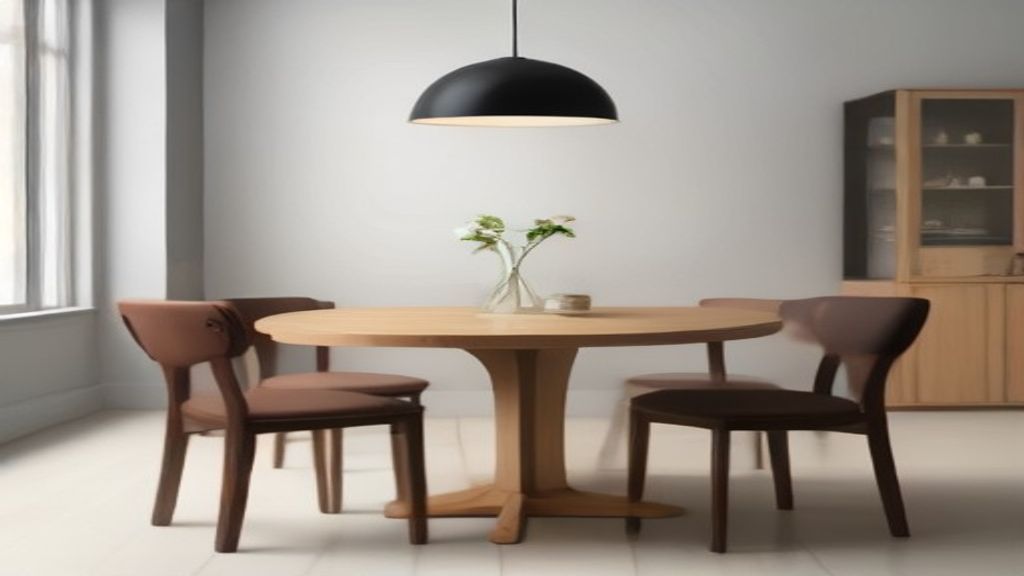
The flat boxes were heavier than I expected, but that wasn't the problem. The problem started when I slid the first chair under the table and heard that scrape. Then the second one, same thing. The seat was hitting the apron of my table—a table I'd measured for height, but not for the chair's armrests or the way the seat tucks in.
I'd ordered the IKEA dining chairs set of 4 online, all confident, because the price was right and I liked the look. Three weeks later, I've learned a few things. If you're thinking about buying these, save yourself a return trip.
The Doorway Test
Before you even think about color or wood tone, measure your doorway. The chairs arrive flat-packed, so they fit through any door easily, but that's not the real issue. It's the width of the chair once assembled. I've got a standard 30-inch door, but the chair with armrests is 23.5 inches wide at the widest point. If you have a hallway with a turn, or a narrow entrance, that 23.5 inches can feel like a lot when you're carrying it sideways. I measured mine at the widest point—across the front of the seat, not the back legs—and it cleared, barely. But the clearance was tight enough that I scuffed the paint on the doorframe once.
I should have measured the actual chair dimensions, not just the boxes. My table is a standard 30-inch high, and the chairs seat height is 18.5 inches, which is fine. But the seat depth is 17 inches, and the arms stick out another inch. If your table has an apron that's more than a few inches thick, check the clearance when the chair is pushed all the way in. I have a three-inch apron, and the arms hit it. Not the seat, the arms. That scrape you hear every time someone slides a chair? That's your table apologizing.
The Squat That Happens Over Time
The IKEA chairs aren't made of solid hardwood. They're particleboard with a veneer, and I knew that. What I didn't know is that they loosen up after a few meals. After about two weeks of daily use, the screws on the seat back needed tightening. I keep a hex wrench next to the table now. The chairs also wobble a bit if you lean back—nothing structural, but it's there. On my floors, which are hardwood, the wobble shows up as a subtle click when you sit. Annoying.
If you have carpets, you might not notice. But on hard floors, that wobble makes the chairs feel cheaper than they are. I put felt pads under the feet, which helped with the sliding noise, but didn't stop the click.
The Real Test: Three Weeks of Use
After three weeks, the chairs are still standing, but they have a few marks. The veneer on the seat edges is already showing light scratches where I drag them. I knew veneer scratches, but I didn't think it would happen this fast. Also, the legs are sprayed with a dark brown finish that chips if you bump them with a vacuum. One chip, a quarter-inch, near the floor. I touched it up with a brown sharpie, but it's there.
The chairs themselves are comfortable enough for a 30-minute meal. The backrest is curved, and the seat is flat, but not padded. After an hour of playing board games, my butt was sore. If you're planning long dinners or guests who linger, you might want to add a cushion.
What to Measure, Before You Swing by the Store
Before you buy, measure:
- Seat height (IKEA lists it, but verify against your table)
- Seat depth from front of seat to backrest (and whether your table's apron is in the way)
- Width across the front legs plus armrests, if any (for the doorway and the table fit)
Write those numbers down. Don't trust the product page because the measurements are for the chairs alone, not your room.
What I'd Do Differently
Honestly, I'd skip the armrests if I had to do it again. The armless version might have cleared my apron. But I also might go with a different set altogether—the slightly sturdier style, maybe with a solid wood seat. If you're reading this and your table has an apron beyond 2 inches, seriously consider the armless version.
Also, check the warranty. IKEA's return policy is decent—90 days, I think—but it's easier if you never need it. Keep your receipt and the box for a week, at least.
These chairs work for a small apartment, a first place, a guest corner. But they're not heirloom pieces. They're flat-pack practicality, with all the trade-offs. I just wish I'd measured before I clicked.
No going back now. The chairs fit—mostly—and the scratches blend in with everything else.