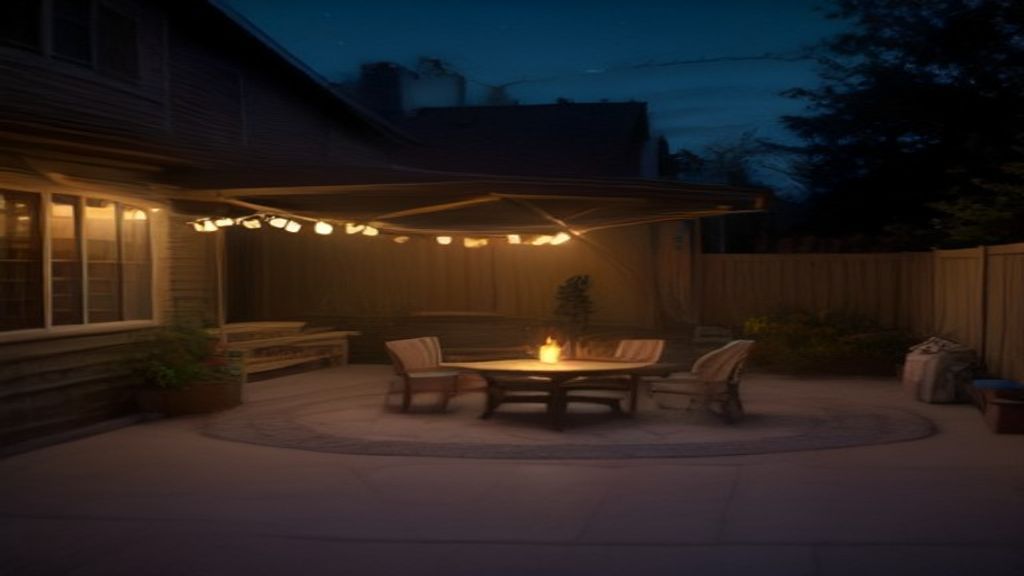
I've bought six sets of solar string lights in three years. Four are dead or dim enough to be useless. The problem wasn't the brand—it was me. I picked sets that looked great in glowing photos but didn't fit the reality of my patio. You're probably about to do the same thing.
Here's the blunt version: solar string lights aren't one-size-fits-all. The difference between a set that lasts and one that's garbage in a month comes down to where you put them, how much sun they actually get, and whether the battery can handle your weather. Ignore the pretty picture and think about your specific patio.
Step 1: Measure Your Sun, Not Your Patio
The biggest mistake I made: thinking all solar panels are equal. Some panels are big, some are small. A tiny panel might catch enough sun on an open balcony, but on a covered porch it's done. Check the solar panel size and the light's required sunlight hours. Most need 6-8 hours of direct sun. If your spot gets morning sun only, you'll get a couple of hours of light—maybe. My first set had a panel the size of a credit card and my patio got 3 hours of direct sun. Lights barely made it past sundown.
Before you buy, stand where you want to hang them and guess or track how many hours of direct sun that spot gets. That's your real deciding factor. If it's less than 6 hours, look for sets with separate panels you can place in sun—some have extension cords for the panel, which is a game-saver.
Step 2: Read the Durability Claims Like a Skeptic
Outdoor means it has to handle rain, wind, and cold. But "waterproof" doesn't mean "glass bulb safe in hail" or "wiring won't crack at -10°F." Look for the IP rating, not the pretty package. IP65 is splashproof; IP67 is submersion. For hanging under eaves, IP65 is fine, but if lights are fully exposed, get something with good sealing. I had a set with "weatherproof" on the box, and after one heavy rain, half the bulbs flickered and died. The wiring corrosion was obvious.
Also, check the bulb type: LED is non-negotiable. They last longer and drain less battery. If they list something like "10,000 hours," that's not the lifespan—that's the LED's theoretical life. The battery and wiring usually go first. So ignore lifespan claims and focus on the parts that actually fail: the battery, wires, and connectors.
Step 3: Know Your Battery Limits
Most cheap solar lights use AAA rechargeable batteries. They're fine, but they lose capacity over time. If you live in a climate with real winters, you'll need to take them inside when temps go below freezing. I live in a place with mild winters, but we still hit 20°F a few times—my second set's batteries gave out by February. Some higher-end sets have lithium batteries that handle cold better, but they cost more. Decide if you'll be willing to store your lights for the winter. That affects whether you should buy cheap ones and replace them yearly, or spend more on something sturdier.
I ended up buying a cheap set and a pricier set. The cheap one is still going strong three years later—because I bring it in before first frost and take it out in spring. The pricey one? I left it out one winter and now it's a solar-powered paperweight.
Step 4: Count the Lights You Actually Need
This one's nitpicky but crucial: check the wire length and bulb spacing. A set with 24 feet and 48 bulbs looks impressive, but if the bulbs are spaced every 6 inches, that's a tight string of tiny dots. For that warm porch glow, you want bigger bulbs and wider spacing. My favorite set has 12 bulbs spaced 18 inches apart on a 20-foot wire—looks way better than my first set with 48 tiny LEDs crammed together.
Bring a tape measure to the yard if you can—or at least picture your space. A set that's 24 feet long will span a 4x6 foot doorway frame, but if your porch is 12 feet across, you'll need two sets or one with an extension cord. And check if the lights are replaceable or if the whole string dies if one bulb goes. Big bulbs often come in replaceable versions; the tiny LEDs are usually sealed and unreplaceable.
I know what you're thinking—this is a lot of work for lights that hang in your backyard. But it beats the alternative: buying another set in three months because you picked by the picture and got a product that doesn't match your patio. If you're unsure where to start, read some of my other guides: Solar String Lights Outdoor: Match Them to Your Patio, Not the Photo helped me pick my current set. And if you're also considering solar candles, see what Solar Candle Lights: What Two Months on a Covered Porch Taught Me says about low-sun setups.
Trust me on this: it takes one afternoon to measure your sun, check IP ratings, and read a few reviews. It takes another afternoon to return a dead set and buy a different one. Do the first. Your porch will thank you, and so will your wallet.