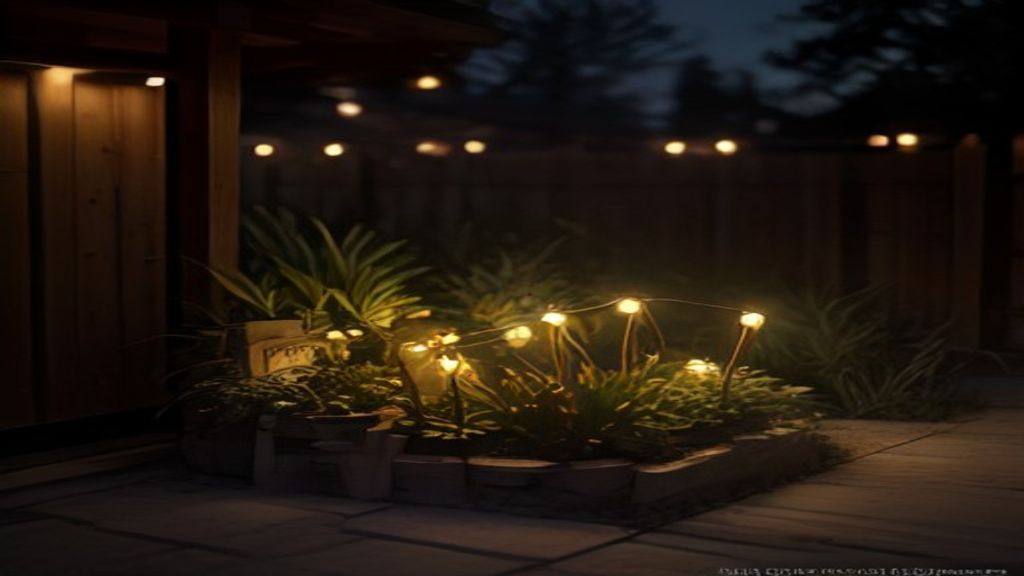
I've burned through six sets of outdoor battery fairy lights in three years. Most were garbage. Some were decent. Two made me actually change how I shop.
Here's the blunt truth: most cheap sets die in a season. The battery box gets wet, the wires corrode, or the bulbs just give up. But there are a few things that separate the keepers from the junk.
The Battery Box Is the Weak Point — Check It First
Every time I've had a set die early, it was the battery box. Rusted contacts. Cracked seal. Water inside. The wiring was fine, but the box was a sponge.
Before you buy, look at the box. Is it a hard plastic case with a rubber gasket? Good. Is it just a thin strip with a slide-off lid? Skip it. That's a death sentence outside.
Test before you hang. Put the batteries in, power on, then mimic rain — drizzle water over the box. If it shortens or flickers, return it. That 30 seconds has saved me more than once.
Spend on Quality, Not on Length
$12 for 100 feet of LEDs sounds great. Until the bulbs start blinking like a strobe in week three.
Cheap fairy lights use thin wire and weak solder. A little breeze or a cat tug and they're done. I've learned to buy sets that are thicker, with a PVC coating you can feel, not just peel.
Step on the wire. Seriously. If it crushes easily, it's not going to survive a season. Look for 2.3mm diameter or more. That's the threshold I use.
Higher price per foot usually means better insulation and more reliable LEDs. I'd rather have 50 feet that I know will work for two summers than 100 feet of plastic string that dies in July.
Weatherproof Doesn't Mean Bulletproof — Mount Them Properly
Even "weatherproof" sets have limits. If you wrap them tight around a branch and let the seasons twist, the wire will work against itself. For my patio, I use those little adhesive cable clips. They keep the wire straight and off the ground.
For the battery box, mount it high and protected — under an eve or inside a lamp holder. If it has to sit on the concrete, put it in a zip-lock with a tiny hole for the wire. Not the prettiest, but it works.
One more trick: point the battery box down. That way any rain drips off the wire, not in. I know, logic. But I've failed at it twice.
What I'd Buy Again, and What I'd Skip Forever
Right now, I'm on a set that's survived two winters and a hail storm. It was advertised as "outdoor rated," and I checked the box before wiring. No regrets.
For the patio, I'll stick with sets that have a real waterproof rating — IP65 or better. And I learned the hard way about buying remote-controlled affairs. The remote's range on these little Christmas lights is a joke. Check the wireless remote; most need the battery box within a few feet of the couch. Doesn't work on a big deck. I've been through that.
If you're thinking about solar string lights instead of battery power, know where you put them. Solar panels need real sun, and the recharge barely lasts past dusk if they don't get hours of direct light. But that's a separate mess.
The Cheap-Shorts Trap
Let's be honest about the ones that die quickly because you thought you got a deal at the department store around the holidays. You know what I'm talking about. After Christmas sales. The wires are like angel hair, and the bulbs fail one by one. I stopped doing that.
Set a budget around thirty bucks for a decent set that runs on batteries. If the option is a forty-dollar pack with a real warranty, I take that over a $10 throw-away that doesn't even make it to Labor Day.
So who should skip outdoor battery fairy lights entirely? Honestly, if your spot has no cover and you're expecting to mount the battery box directly in the soil or against a leaky fence, just go for solar, but only if you get decent sun. Or hardwired string lights run by an outdoor GFI outlet like the ones I used to hang on the patio ceiling. If you don't want to touch the battery box again after placing it — batteries drain and you'll swap them every season or two — and you hate fiddling with prying open a plastic door, then get lights you can plug in and forget.
But if you do the battery route, you've been warned: the box is the heart. Treat it right, and you'll get years. Ignore it, and you'll be shopping again next spring.
Want more lighting reality checks? Read about the battery box mistake on indoor string lights. Or if you're thinking about Target's outdoor Christmas lights, don't repeat my first purchase. These are real-world lessons, not the pretty photos.
More guides in Decor & Lighting. And for $15 vs. $60 difference, look at the actual build quality.
Outdoor battery fairy lights aren't rocket science. But they're a lesson in buying what lasts, not what looks good on the screen.