If you're shopping for a single bed, the price spread is insane. I've seen $89 metal frames on sale next to $2,000 solid-wood showpieces. Most people don't need either extreme. But the middle is muddier than you think.
Here's what I've learned from furnishing two apartments and helping friends do the same. No fluff, just measurements and money.
The Three Tiers That Actually Exist
Under $300: The budget zone. Think simple metal frames and basic platform beds. These get you off the floor, period. The frame is usually steel tubing, maybe 1–2 mm thick, and the slats are often plywood or pine. They hold a mattress fine, but they creak. Not loudly, but enough to notice at 2 a.m. when you roll over.
At this price, the mattress is the real problem. A $150 single mattress doesn't exist. You're looking at $200–$400 for something decent, which means the bed costs more than the frame. That's fine, but don't skimp on the mattress to save money.
$300–$800: The sweet spot for most people. You get real wood (sometimes), better slats, and fewer creaks. I've seen platform beds with solid pine frames and engineered wood heads that look nice and hold up for years. Delivery often comes with assembly, which saves you an afternoon of cursing at hex keys.
This is where you should spend if you're buying for a growing kid or a guest room. The frame doesn't need to last 30 years—just survive moving twice.
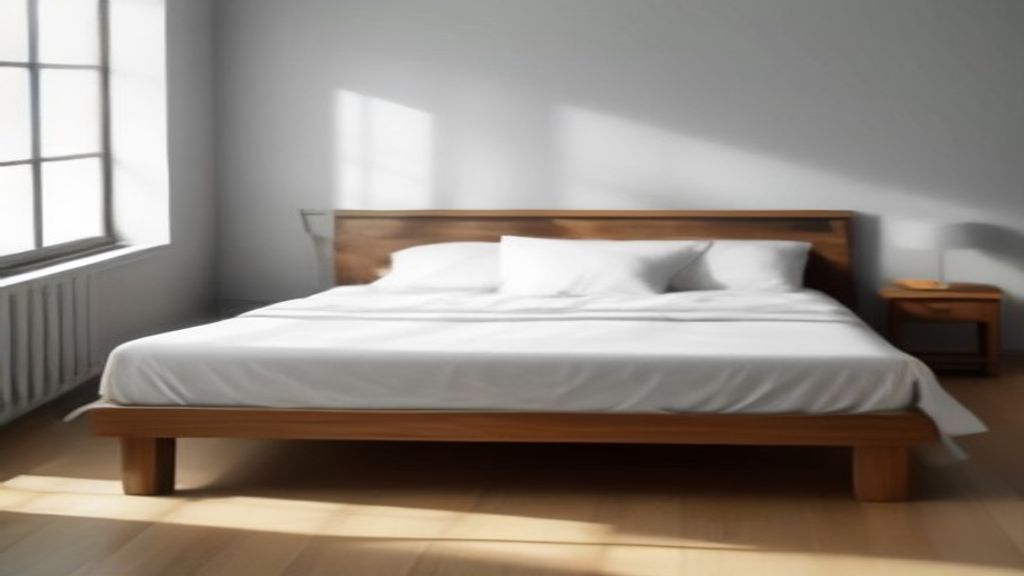
$800 and up: Overkill unless you care about wood. Solid hardwood, like oak or walnut, costs real money. A minimal platform bed in solid oak can run $1,200–$2,000. It's beautiful, and it's heavy—like 150 lbs heavy. Moving day becomes a nightmare. But if you're keeping the bed for two decades, it's worth it.
However, consider: do you need the headboard? Many expensive beds include one, but low-profile frames without headboards are common in Japanese-style rooms. You can save $400 just by skipping the headboard and leaning a cushion against the wall.
Where the Pricing Gets Sneaky
The mattress trap. A single bed frame is a fraction of the total cost. A decent single mattress runs $300–$600. If you see a $250 “complete bed” deal, the mattress is likely 6 inches thick, foam with the density of cookie dough, and will sag within a year. I've felt them in showrooms—they're terrible.
Delivery and assembly. Your “$400” bed might cost $550 out the door. Many online sellers free shipping hidden in the price, but in-store, they'll charge $75 to haul it upstairs. Measure your stairwell before ordering. I once saw a friend's 80-inch wide headboard get stuck on a 30-inch landing. They had to return it—shipping fee $120.
Slats count. More slats = more support = less mattress sagging over time. Cheap frames have 4 slats, spaced 6 inches apart. Middle tiers have 8–10 slats. High-end often uses a solid piece of birch plywood, which is even better. Check the spacing before you buy.
Real Numbers from My Home
I bought a $450 platform bed from a well-known online store. Frame is pine, slats are plastic-buffed wood. It's held up fine for two years, but the corners were sharp—I bruise my shins weekly. I added bumpers from the hardware store. The mattress, a 10-inch memory foam from the same brand, cost me $350 on sale (original $500). She's still comfortable, though it runs hot in summer.
My upstairs neighbor has a $1,800 solid oak sleigh bed. It's gorgeous, but she's moving next month and the movers quoted her $600 extra just for the bed. Think about your lifespan in the place.
Who Should Skip the Premium Beds
If you're moving every couple of years or your room is smaller than 10x10, you probably don't need a $1,000+ beechwood showpiece. You'd be better off with a medium-tier wood platform bed from a direct-to-consumer brand that ships flat, assemble in an hour, and won't strain a friendship during the next haul. Spend the saved money on blackout curtains or a nicer mattress—your back will thank you.
And if you're buying for a child, don't go overboard. They'll draw on it. They'll jump on it. You'll feel no guilt if you didn't drop a mortgage payment on it. I skipped the fancy kids' bed and bought a basic pine model—still looks fine after that's been buried under stickers.
The Real Takeaway
A single bed is two parts: clear the frame and the mattress. Allocate at least as much to the mattress as the frame. Say your budget is $500 total—save $250 for the mattress, and you'll have a bed that doesn't wake everyone at night.
Measurement matters: know your room’s width, door width, stairwell turn. Know your slat spacing. Know that delivery fees can phantom costs. But the greatest waste is buying a premium bed for a room that’s changing in 3 years. Buy for your current life, and you won't waste money.
Now go measure your damn doorway before you click 'buy'.
_More wonks:_ Check the Japanese Bed price tiers before you pay a designer tax. Or wonder what Black Wood Platform Bed measurements I botched. And remember—a single bed is a durable good, but not an heirloom for everyone.