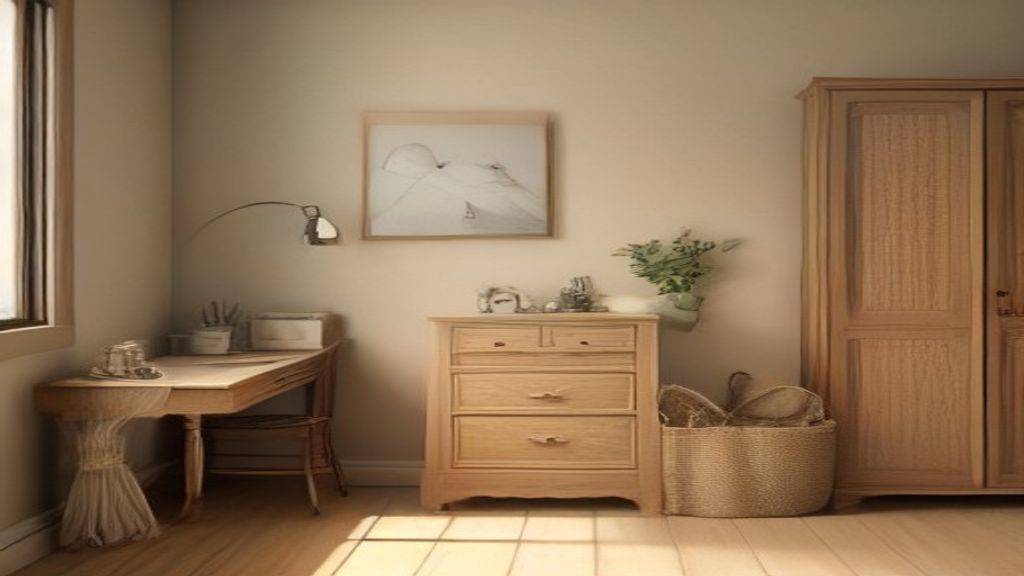
12 inches. That's how much space I had left after my "perfect" rattan dresser arrived. Because I measured the wall, not the corner where it was going. Yeah. So here's what I learned after three returns and one very patient delivery guy.
The mistake that cost me two days
I wanted a rattan dresser to lean into that breezy, natural look in the bedroom. Found one online, 36" wide, looked great in the photos. I even measured the wall — floor to ceiling, side to side. But I put it in a corner, and corners are weird. The baseboard, the door swing, the outlet placement—all ate into my space. When the box landed, I had 12 inches of clearance on one side and a door that couldn't fully open. Dresser went back.
Don't just measure the flat wall. Measure the actual footprint, add 6 inches clearance on each side, and check door swing. And if you're buying online, read the product specs for the base depth—many rattan dressers have a deeper top than the legs, and that overhang can mess with your clearance.
Joints: the silent killer
Second mistake: I didn't check the joint construction. Rattan is not solid wood. A lot of dressers use wrapped seams on the corners, and if the weave is loose, it unravels. My first dresser (the one I measured wrong) actually had a twisted leg — the frame was warped, and the drawer started sticking within a week.
Now I check three things:
- Look at the corners. If the rattan is just glued on, skip it. It should be wrapped under tension.
- Wiggle the side panels. They should feel rigid, not give.
- Open every drawer at the floor model. If they don't slide smoothly in the store, they'll do worse at home.
Drawer depth and the wobble
Third mistake: I didn't check the drawer depth. I store folded sweaters, and my usual dresser has 14-inch deep drawers. This rattan one? 10 inches. Everything went in sideways. And the dresser itself had a slight wobble — the feet were leveling caps, but they couldn't compensate for my uneven floor. I had to shim it with furniture pads.
Before you commit, measure your own drawers. And if the room floor isn't level (who's is?), buy adjustable feet or make sure the dresser has them. Most don't at this price point.
What I did right (eventually)
After three returns, I found a rattan dresser that's held up for a year. What made the difference? It had proper wood–frame construction with rattan panels, not rattan glued onto particleboard. The joints were firm, the drawers were full-extension with dovetail joints (I checked this time), and the base was solid hardwood. It cost more — about $900 vs. $400 — but the cheaper one was firewood within a month.
If you're set on the look, go with a hybrid: solid wood frame, rattan accents. It gives you the vibe without the structural thinness.
But honestly? Some of you should skip the rattan dresser entirely. If you're the sort who wants set-and-forget furniture for a kid's room or a rental with heavy daily use, rattan is high maintenance. It scuffs, the weave catches dust, and it hates humidity. For looks? Great. For abuse? Not so much. My sister bought one for my nephew's nursery, and the drawer front already peeled after a year. She'd tell you to get the solid wood thing and fake the look with a rattan–accent mirror.
Before you click buy, also check out my notes on Crate and Barrel Dresser: What to Check Before the Delivery Truck — brand names don't always save you. And if you're mixing materials in the bedroom, Crib and Dresser Set: What Changes When You Go Cheap vs. Solid Wood has the teardown.
For more bedroom furniture reality checks, browse More guides in Bedroom.