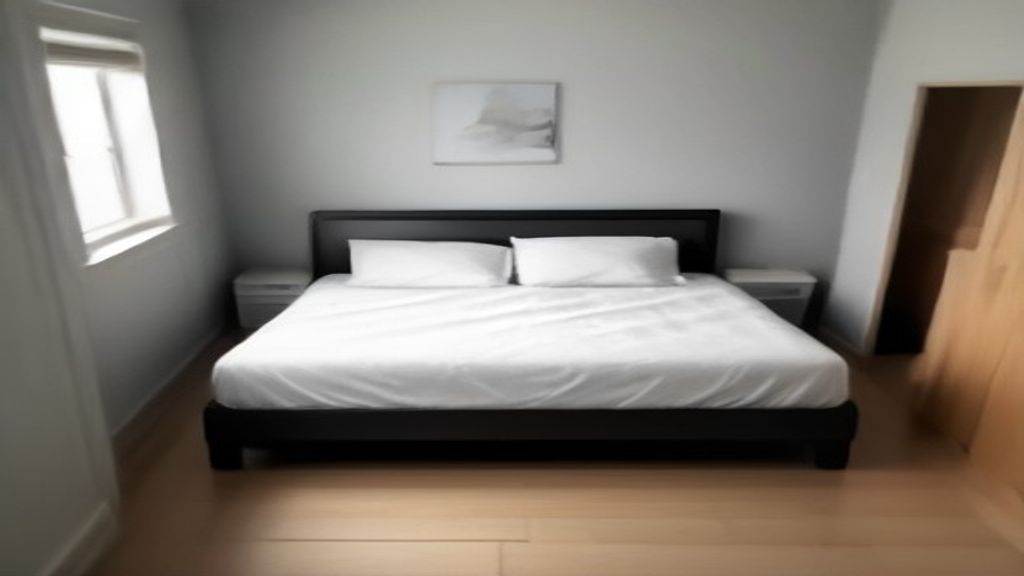
The first folding double bed I brought home barely made it past the front door. I had measured the bedroom, sure, but not the hallway. That 90-degree turn ate 3 inches of clearance I didn't have. After wrestling the box for a solid 20 minutes, I finally tipped it on its side and slid it through. The box survived. My drywall didn't.
That was week one. Along the way I learned the one setup decision that matters more than the frame itself: where you'll store it when it's folded. Because that bed is heavy and awkward, and you don't want to discover the only spot is three feet off the ground.
The Hallway Test: Measure the Turn, Not Just the Room
Before you even unbox, grab a tape measure and check the path from door to bedroom. Write down the width of every doorway, hallway, and stairwell landing. But the real trick is the turns. A bed that fits a 30-inch doorway can still jam at a corner if the hallway is narrow. I learned this the hard way.
When I finally got the box into the bedroom, I had to unpack it there. No way was I dragging that heavy thing back out.
Also: check the folded dimensions, not the mattress size. My folding double bed folds into a slab 42 by 30 by 12 inches, but the box added 2 inches each side. That's what caught me.
The One Decision That Matters: Floor Space vs. Wall Space
Here's what I wish someone told me: the bed's folded footprint is the boss. You need a home for it that doesn't block the closet, the door, or the only patch of clear floor. For me, that meant leaning it against the wall—but then it stuck out 12 inches, and I kept tripping over it in the dark.
Another option is storing it under the bed, but these aren't exactly lightweight. Lifting a 90-pound slab flat onto the floor each morning gets old fast. So think about what you can actually handle.
Measure the folded depth, the wall clearance, and the distance to the nearest power outlet. If you're positioning it near a window, the morning sun will fade the fabric—mine did, in a patch right where the fold creases.
First Week Setup: Bedding and Mattress Depth
The frame unfolded fine in about 10 minutes—just a couple of latches. What surprised me was the mattress. Folding mattresses are shallow, usually 6 to 8 inches deep, so standard sheets slip off. I ended up buying deep-pocket sheets and adding a mattress topper for comfort. You might need to do the same.
Pro tip: Put the sheets on while the mattress is folded flat on the floor, then unfold the whole thing. Trying to wrestle a fitted sheet onto an already-folded bed is a recipe for a sore back.
A Week of Daily Use: The Reality Check
After a week, the novelty wore off. Folding it every morning becomes a ritual. If you're not actually going to fold it daily, it'll sit out like a regular bed, and then why bother? Also, the occasional creak from the mechanism? I got used to it, but at 10pm it's noticeable.
One more thing: the frame's fabric on the sides is thin. My cat already snagged it. They don't tell you that in the listing.
Who Should Skip It
If you have a tiny room with no obvious stow spot, or you hate bending and lifting something that weighs almost as much as you do, skip the folding double bed. It's not a magic solution. But if you've measured the hallway, planned the folded storage, and know you'll fold it daily, it can be a decent space-saver. Just think about whether you want to do that every single day.
For more bedroom setup ideas, check out More guides in Bedroom, and if you're also sorting out the rest of the room, maybe start with Twin Bedroom Setup: The Mistake I Made Before Measuring Anything or Buying Hemnes Ikea Bed Without Wasting a Weekend. Different furniture, same measuring lesson.
Image prompt: Folded folding double bed leaning against a bedroom wall, thin mattress folded, neutral linen sheets, cozy small bedroom with morning light, measuring tape on floor nearby.