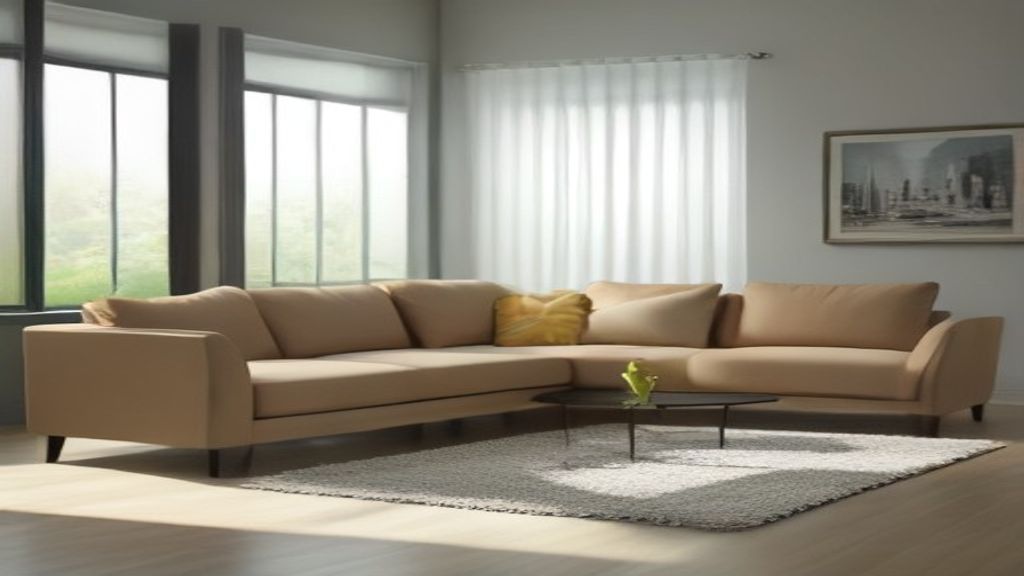
$$2900 – that's what I nearly paid for a two-seater mini sofa set that looked exactly like one I'd seen online for $640. Same dimensions, same fabric color, but the store version had a solid wood frame and the budget one was particleboard with staples holding the back panel. You don't see that in photos.
If you're shopping for a mini sofa set (the couch plus loveseat or couch plus chair combo that fits a small living room, apartment, or den), the price gap can be enormous. And here's the thing – it's not all markup. But some of it is. Let's break it down by what you really pay for.
The Under-$800 Tier: Reality Check
Most mini sofa sets under $800 are what I call "apartment-grade." They're made to survive a few years of regular use, not a decade. The frame is usually kiln-dried hardwood or engineered wood – but the difference is in what's hidden. You'll get foam cushions (density around 1.5 lbs/ft³, which sounds technical until you feel it – it's the foam that shows sink-in within months), fabric at 100,000 double rubs, and a delivery that ends at your curb.
I bought a set in this range once. The sofa arrived in a box, which was fine until I realized I had to assemble it. Okay, I managed. But the legs were plastic, not metal or wood. A year later, the seat cushions felt flat, and the back pillows looked like they'd been through a couple of wash cycles. It wasn't a disaster, but I wouldn't buy that grade again for a main sitting area. For a guest room or a sunroom that gets light use, though, it might be just fine.
What the budget set truly gives you: low upfront cost. If you're moving in six months and don't want to haul nice furniture, that's okay. But check the delivery – many budget sets come "curbside," meaning the driver drops the boxes at the lobby or garage. You'd better have a good dolly and a buddy to carry them up stairs. I've done that, alone, with a 6x3-foot box. Not fun.
The $800–$1,500 Middle: Comfort That Actually Lasts a Few Years
At this price, you get better foam (density around 1.8–2.2 lbs/ft³), a solid or plywood frame with better joinery, and maybe an option for a higher-grade fabric like performance polyester or a cotton blend. You might also see things like reinforced corner blocks, sinuous springs that won't rip out, and removable back cushions (good if you want to fluff them).
I have a set in this range right now. I've had it for three years, moved once, and the cushions have minimal wear. The couch still looks presentable, and the fabric holds up – no pilling or dulling. It didn't come in a box; it arrived fully assembled with a crew that brought it through the door and to the spot. That alone was worth the price difference.
But “great for three years” doesn't mean forever. If you have a big dog that likes to claim the corner or kids who treat the back pillows like fighting pillows, foam will still soften. One tip: ask for the fabric's rub count. The industry standard for residential is 15,000–30,000 double rubs. At $1,200, you'd expect something above 25,000. That's the number that says it'll last.
The $2,000+ Club: What Extra Money Actually Buys You Every Day
Above $1,500, you're paying for durability, and also for upgrades: real hardwood (oak, ash, or poplar), premium fabrics like linen or top-grain leather, more coil count in the springs (8-gauge, for example), and better foam – think latex over HR foam or memory foam toppers. Also: longer warranties (if the store offers any) and a white-glove delivery that includes setup and removal of packaging.
Is a $2,500 mini sofa set worth it? Depends on your timeframe. If you live in the couch, read on it, nap on it, eat on it some nights, and plan to keep it for ten-plus years, maybe yes. I spent two years on a $2,300 fabric set and it never sagged. The cushions were still springy, and the seams were clean. It was a solid transaction – I sold it for $900 when I moved. That's not common, but it happens.
But beware the “luxury” label that adds markup for the name. You see the same fabric descriptions and sometimes the identical construction in a $1,400 couch, but the $200 brand name gets plastered on and the price jumps by fifty percent. Try to compare specs. Ask the seller for the glue type (seriously, PVA glue is better than … okay, that's too far). Just say, “Tell me about the frame.” If they can't explain the difference between plywood and hardwood, you might be paying for marketing.
What Two Rooms Need Different Mini Sofa Sets
Generic advice on mini sofa sets gets fuzzy when your room is small. The difference between a 3-seat (around 72” wide) and a 2-seat (about 54” wide) is not just look. I've owned both. In my previous apartment, the living area was 12x10, and I had a 2-seat set that gave us floor space to walk. My current den is bigger, and a 3-seat set fits without feeling crowded.
Size issue comes down to millimeters sometimes. Most mini sofas on the budget tier are 33–34″ deep and 32–35″ high from floor to back top. If your wall space is less than 70″ for a two-piece set, that's claustrophobic. Furniture math doesn't forgive.
One more thing: think about the future. If you might move next year, the under-$800 set is easy to sell or abandon. I sold my budget set for $150. The more expensive set I'm currently using is secure, but it's also heavier to move. Delivery lifts – you read that right. My $1,500 set came with a 6-person team because the two pieces were heavy. No extra cost, but just plan.
The $500 Hand-Me-Down Trap
Even worse than overpaying is inheriting a mini sofa set from a friend who says “it's fine, just needs a cleaning.” I fell for that trap. The fabric was worn but you couldn't see it at a glance. The frame had a hairline crack under the front panel. The cushions were basically dough. I gave it to someone else eventually.
If you're looking at a used set, flip it over. Inspect the springs: push down and feel if they snap back. Check the corners for reinforcing blocks – they should be solid, not glued on. And test the cushions: if they're not dense enough to feel firm, they'll waste your time.
But buying used isn't a disaster if you know what to look for. Some solid brands (like IKEA, Ashley, or better) have replaceable cushion covers. Those are good finds. But a cheap set with fabric glued to foam won't allow for upholstery repairs – you'll throw the whole thing out.
My Everyday Recommendation: Pay a Little More Than You Want
I've been through at least five mini sofa sets in seven years. Three were in the $700–$1,300 range for small to medium spaces and two were in the $2,000+ range (one was a gift, let's say). What I learned: budget for delivery and taxes. A couch that “starts at $800” doesn't stop at $800 when it gets to your door. White-glove delivery often runs $100–$200 extra depending on the area. But you can't fake a good frame.
If you're reading this and you haven't bought yet, go to a store or measure your room first. Measure the opening of your door, the hallway width, and the elevator or stairway width – I have a piece about Sofa Set Table: The Mistake I Made and the Measuring You Should Do going step by step. I also wrote about the first week with a deep sectional if you're considering that style. And if you see a brand name like Minotti, read when it's not worth the money – because you might be paying for the label.
Next step: take a tape measure and go to your doorway. You already know the room. But the doorway decides everything. Do that while you still can. That's the whole trick, really.