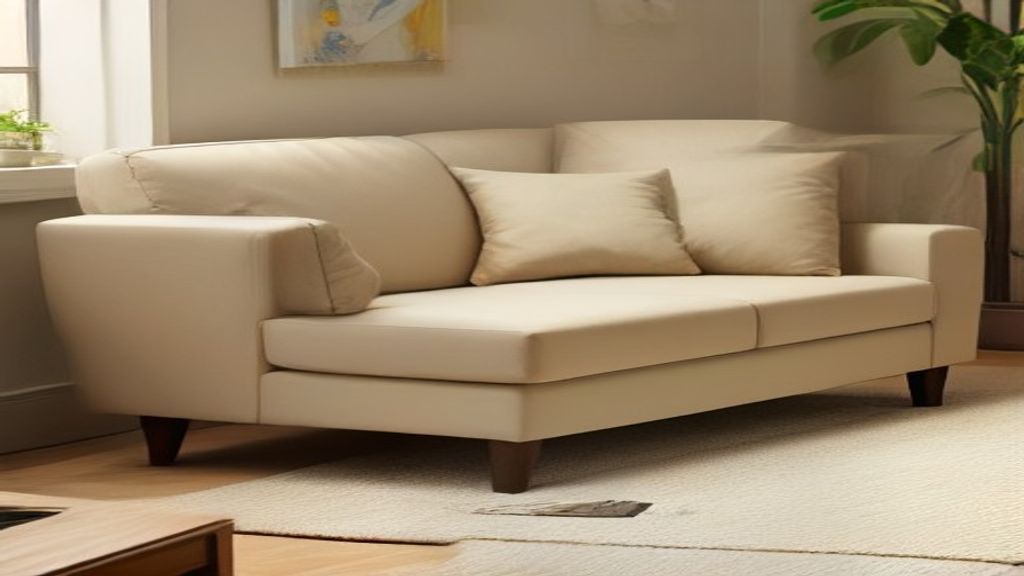
34 inches. That's the width of my front door, and it's the reason I've returned two sofas in the last three years. The first one was 38 inches wide at the back—didn't fit through the door, even on its side. The second one, I didn't measure the stairwell at all, so that one went back too. Now I measure everything.
So if you're scrolling through couches for sale, stop looking at fabric samples first. Grab a tape measure and start with the structural stuff.
Measure the Path, Not Just the Room
You know your room dimensions, right? Great. But the couch also has to get to that room. Measure every doorway it has to pass through: front door, hallway, stairwell, bedroom door. Write those numbers down, and know the door width minus the door frame (usually about 2 inches less than the door itself).
A lot of listings only give length, depth, and height. If they give "boxed dimensions" or "shipping dimensions," that's your cue. A 72-inch sofa might ship in an 80-inch box, and the box has to get through the door too. Also, check if the legs come off. A couch with removable legs can often squeeze through a 30-inch door if you take them off and tilt it. Look for that spec.
One more thing: hallways and stairwells have corners. If you're on the second floor, measure the stairwell's width and the ceiling height. My 31-inch-wide hallway turned out to be 28 inches after the baseboards. That's a real number. Don't guess.
Room Layout: Where Does the Walkway Fall?
I once put a couch on the wall, leaving enough room to walk in front of it, but I forgot about the path from the kitchen to the balcony. Now I have to squeeze sideways between the couch and the table every single day. Annoying.
Draw a rough sketch of the room, marking every door, window, and radiator. Then check the path from each entrance to each sitting area. The couch should not sit more than 12 inches into a main walkway, or it'll obstruct flow. Also, seat and back depth matter. A couch that's 40 inches deep plus a 10-inch gap will stick out into the room 50 inches from the wall. That's a huge footprint in a 12-foot-wide room.
Seat Depth: The Forgotten Spec
Seat depth makes or breaks comfort. A 21-inch seat depth is common on cheaper sofas, and it's okay if you're 5'8" and want to sit upright. But if you want to tuck your knees up or nap on the couch, you'll want a 24–26-inch seat. The trouble is, you can't tell by the overall sofa depth. My last couch looked like a deep lounger in photos—42 inches total depth—but the seat was only 20 inches. That's a lot of back cushion stealing space.
Check the spec sheet. If it's not listed, ask the seller or in-store. At a minimum, look at the seat depth in inches, because the old 38-inch-deep couch from a decade ago might not be the same.
Back Height and Cushion Firmness: Numerical Clues
A couch with a 36-inch back height is not a couch you can lean back and relax in. It hits mid-shoulder. For hanging out, I want at least 40 inches of back height, and I actually put a pillow behind my head now, because the 36-inch back cheats.
Cushion firmness is more subjective, but there are clues: foam density in pounds per cubic foot (usually 1.8 lbs is standard, 2.5 lbs holds up better). Coil count matters if it lists pocket springs. I've seen 1.8 lb foam cave in after six months; 2.5 lb has lasted three years and still bounces back. That's a real difference when you sit on it for more than an hour.
Delivery: The Hidden Constraint
Sofa shipping is heavier than you think. A 72-inch couch can weigh 80–120 lbs. If you live on a third floor and the elevator's out, you'll be paying an extra fee. Some sitters don't warn you about that. Also, ask about delivery time windows—some require you to be home, which was fine, but my last one needed me to sign off in a 4-hour block, and I missed it because they didn't call. The result? A delivery fee plus a second delivery fee.
Many places offer "white glove" delivery for an extra $50–$100, where they bring it inside and place it. If you're buying a heavy couch and your path is tight, it's worth it. I wish I'd done that for the first one, because now I have two dents in my doorframe.
My Last Bit of Advice
Look for the measurement numbers in the listing. If they're missing, ask a specific question like "What's the seat depth in inches?" If they don't know, reconsider. The popular choice isn't always a fit for your doorway.
I pulled out my tape measure again just to double-check my hall clearance. It still feels tight, but at least I know what fits. If there's a rule of thumb, it's this: measure the path, subtract the baseboards, assume the box adds 6 inches, and you'll have a better shot than I did.