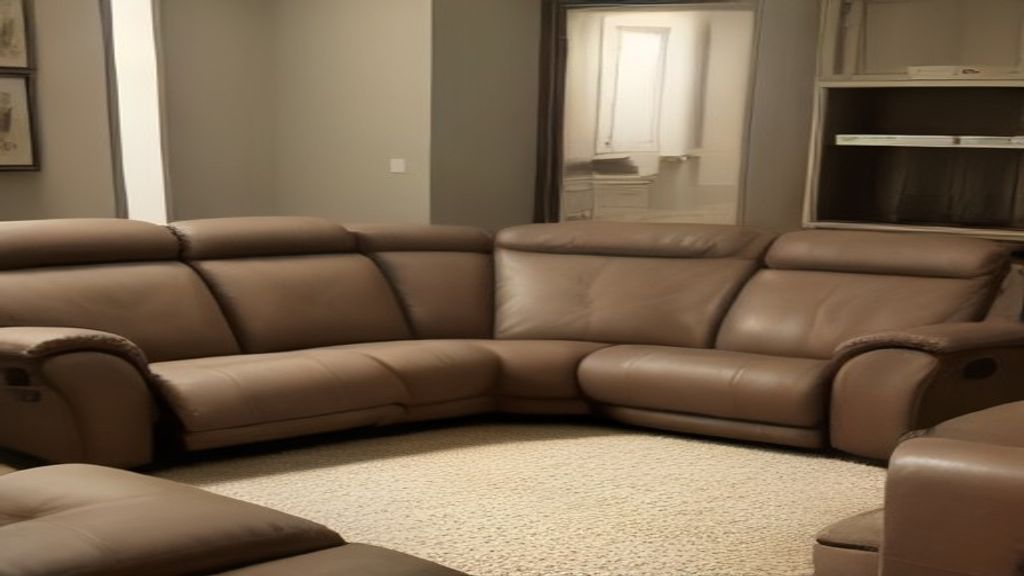
You got it home. Hauled it through the door, peeled off plastic, fought with the lever that refuses to comply when the seat cushion is shipped in 'deploy' position. Now it's sitting there in your living room, looking like a beached whale. The first week matters—not because the box is still in the driveway, but because you haven't decided where the power recliners actually plug in.
The one decision that matters most? Whether the power cords each land within two feet of a live outlet. Sounds dumb. But I spent three evenings rearranging an end table around a cord that ran across the walkway. Don't be me. Measure from the wrong end—the back of the footrest hinge, not the backrest. Trust me, you'll thank me when the footrest won't deploy because it wants to marry your side table.
Before the recliners recline, sit on every seat. Flip the release lever under the arm. Most Costco sectionals have a manual recliner on the ends and a power chaise in the corner—you'll want to know which one kicks out hardest and which one creaks. I've got a friend with the who found the right-side recliner refused to snap flush, turns out the ottoman was cross-threaded. You can fix it week one. After thirty days, you're stuck tightening but not returning.
Pull the cushions up and check the hardwood interior hinge mounts. I've seen three different models where the recliner mechanism aluminum frame was bolted slightly crooked. Not a deal-breaker. But if one bolt is loose, tighten it now, not when the sofa sounds like a bag of shaking bolts on week seven.
Run the recliners through a full cycle five times—in and out—to break in the gas springs. If the release lever lags on the fifth cycle, you need to lubricate the spring channel before it's a rusty nightmare. Honestly, do this the evening you set it up, not while you're halfway through a movie thinking "that click is fine."
One more thing—where's the power cord exit? Many Costco sectionals hide the plug under the corner seat instead of the spine. Some delivery guys will cut the corner stitching to route it cleaner, like one reviewer mentioned with . Don't let them. That cuts the wall of your chaise. Better to pull slack through the center hinge, even if it shows a little.
Switch on all lights before dark. The power recliner transformer hum is minor, but a few people on the Slickdeals thread report the light on the transformer glows way too bright in a dark room—there's no off switch. That'll tickle your brain at 2am when you can't sleep.
Before week two starts, measure your doorway clearance one last time with the mechanism extended. You think you don't need a 71-inch pass-through? Then you'll be moving the base clear to get a mattress up the same stairs, and the recliner hinge catch will snag on the doorframe. Better to check now and release the bolts on the chaise attachment point before you need them — not after you've scraped a square-inch of paint off the frame.
So while everyone's telling you about zero-gravity spots and dual USB ports, the real dealie is laying out the cord path and leveling the feet front-to-back. Sink one shim under the left leg if you've got a sloped floor; those motors and springs need a level base, or the gears skip. Yeah, some models have a self-leveling foot, but most don't, so budget a pager of shims.
After all that, you're good for months.
Now, skip this whole routine entirely if you're one of those people who buy a sectional and barely ever recline the damn thing. If you're reading this and thinking "nah, I'll use the middle cushion more," you might as well get a stationary sectional without motors — cost less, weighs less, lasts longer since there's no linkage to rust. Look at for the non-motorized version. Otherwise, the week one checklist above is your lifebuffer. Don't bother with the outlet swap or the cable clip if you're only going to recline twice a month.
Get the cord routed, crank each seat forward and back, and then knock over your first beer on the armrest, because it's actually your house now.