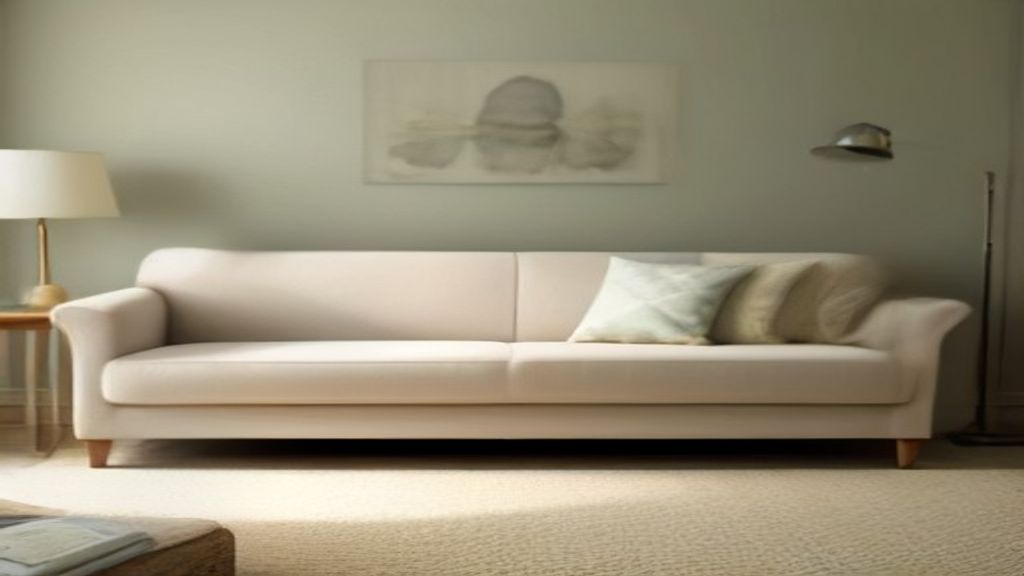
So the Anthropologie sofa finally landed. Maybe it was the Juliette in that faded velvet, or the Carsten with the low arms. It took three weeks, two delays, and a truck that couldn't back down your street. Now it's sitting in the living room, still wrapped in plastic, and you're staring at it like it's a museum piece you're afraid to touch.
I've been there. My first Anthropologie piece—a linen slipcover number—spent its first week buried under throw pillows because I was scared to commit to a placement. Big mistake. That week is when you either set yourself up for years of good use or start a cycle of rearranging and regret.
Here's the thing: the one decision that matters is not fabric protection, not the angle of the chaise, not even whether you keep the tags on. It's where the sofa physically lives in the room. Not just which wall, but how far from the TV, how close to the window, and whether it faces the door or the light. That single decision dictates everything else: whether you actually sit in it, how much sun damage it takes, how the space flows.
The First 24 Hours: Unbox and Inspect
You've got 24 hours to look for damage before the delivery team leaves. Don't be polite. Unwrap the whole thing, run your hands over every seam, check the legs, the back cushions, the zippers. I found a pulled thread on my armrest on day two and had to fight for a replacement. Do it while they're still in the driveway.
Also, move it to the spot you think you want it before they go. You don't want to drag a 150-pound sofa across the floor by yourself. I learned that the hard way with my first sectional.
The One Decision: Placement Before Accessories
Now, the big one. Where does it go? My rule: put the sofa in the spot that makes you want to sit in it, not the spot that makes the room look symmetrical. That means if the light comes in from the west and hits the sofa at 3pm, you might want to scoot it a foot to the left or pull it off the wall by eight inches. The Anthropologie pieces look great in photos, but they're meant for living, not just looking.
Think about how you actually use the room. If you watch TV, the sofa should face the screen without you craning your neck. If you read, put it near the window but not in direct sunlight for six hours straight—velvet fades fast. I once had a linen sofa that turned from seafoam to sage in a year because I ignored that. Don't be me.
Also, give it breathing room. Don't shove it against the wall unless the room is tiny. Pull it out about 8–12 inches. It makes the space feel bigger and the sofa feel less like a rental. That was the one decision that changed my whole living room.
Week One: Live With It Before You Buy Anything Else
Here's where most people screw up: they order coffee tables, lamps, and rugs in the same week. Don't. Live with the sofa bare for at least a few days. You'll start to notice where you need a table for your coffee, where the floor lamp should go, whether the rug should anchor the sofa or the whole seating area.
I waited a week before buying a side table. Turned out I never used it—the sofa arms are low enough that I just set my mug on the floor. Saved $200. You won't know until you've plopped down on it after work, with a drink and a remote, and figured out where your arm naturally falls.
The Fabric and the Fluff
Day three: check the cushions. Most Anthropologie sofas come with feather or fiber-wrapped foam. They'll look lumpy for a week. Fluff them every morning. That's not a chore; it's a ritual. I've been doing it every day for two months and my sofa still looks like the showroom. Skip it, and you'll have permanent dips by year two.
Also, for velvet (which is half of Anthropologie's line), get a fabric brush. Not a wire brush—a soft, curved one. Brush in one direction, not back and forth. Took me twenty minutes on a Sunday, and it keeps the nap looking fresh. I wish someone had told me that before I wrecked a velvet chair by scrubbing at a pizza stain with a wet rag.
What About Returns?
Anthropologie's return policy for sofas is... not great. You've got like 30 days, but if you've had it custom-made (which some models are), you're probably stuck. So this first week is your only real chance to decide if it works. If the seat depth is wrong or the arms are too high, you need to know now, not in month three.
That's why the first week is about living in it, not decorating around it. Sit in every seat. Sleep on it if you have to. Invite a friend over and watch their reaction—do they naturally pick the spot you've been avoiding?
The one decision—placement—is the anchor. Once that's right, everything else falls into place. It sounds dramatic, but a sofa that's in the right spot changes how you use your entire home. I moved mine three times in the first year. The third time, I finally got it right, and I've never shifted it since.
The Move That Clicks
So here's your concrete next step: tonight, after you've unwrapped the sofa and moved it into a rough position, set a timer for ten minutes. Sit in it. Look around. Then get up and push it six inches in a different direction. Sit again. Do that until it feels like you're in a place you want to be, not just arranging furniture.
That's the first-week move that matters. Get that right, and you're set for the next ten years. Get it wrong, and you'll be fighting your sofa every time you walk in the room.
If you're still sofa shopping and want to compare, I've written up a few others: Chesterfield Navy Blue Sofa: First Week Setup and the One Decision, Italsofa Sectional — Measure This Before You Click Buy, and I Put a Tan Sofa in My Living Room — The First Week Setup Mistakes I. They all have the same lesson in different fabrics. And if you're leaning toward something else, check out More guides in Sofas & Sectionals for the full rundown.