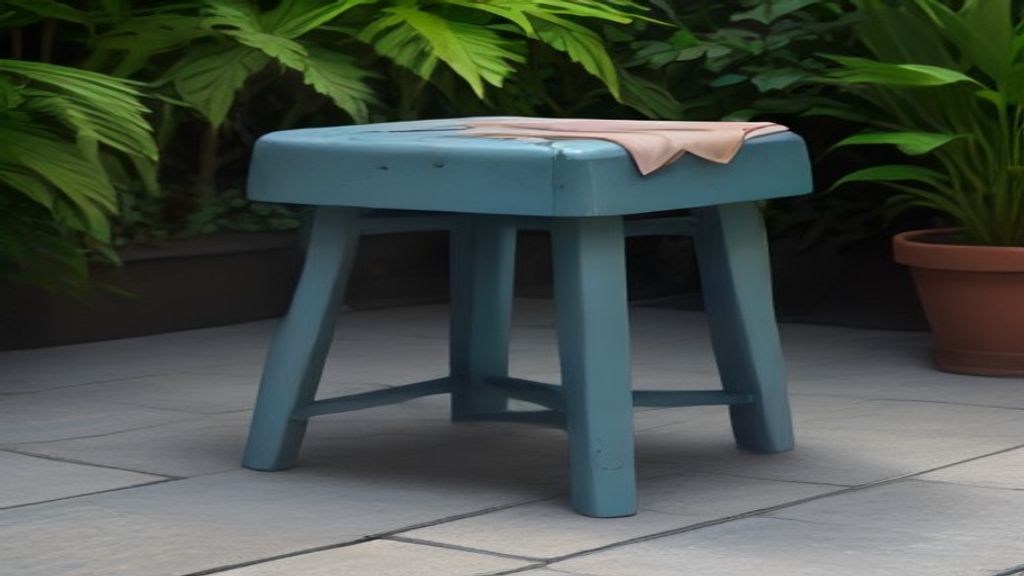
The first garden stool I bought weighed about nine pounds, which felt fine in the store. Got it home, set it on the patio, and the next morning the top was already covered in dew that had soaked into the finish. It looked like a giant coaster for a sad drink. That was the cheap resin one, and it started cracking by week three. I kept it for the plant pots.
Now I've got a small collection of stools that actually work. They're the kind of thing you don't think about until you need a spot for your coffee mug while you're grilling, or an extra seat when someone wanders over. I've put a few through rain, direct sun, and a friend who sits down like a sack of potatoes.
What I Measure Before Buying
I start with the seat height. If it's under 16 inches, it's a footrest or a plant stand, not a seat. My go-to is about 18 inches, which matches my patio chairs. Measure from the floor to the top of the stool, not the advertised size—some sellers list the diameter only.
Width matters too. A 12-inch top feels like sitting on a can of soup. I need at least 14 inches across. And check the base. If the base is narrower than the top, it's going to tip the first time you lean to pick up a dropped fork. My favorite stool has a base that's the same width as the top, and it doesn't wobble on uneven pavers.
The Ones That Held Up
A glazed ceramic stool in a deep blue, about 16 pounds. It's been outside for two seasons, and the glaze is still glossy. The weight keeps it planted in wind, and the surface wipes clean with a damp cloth. No cracks, no fading. That one cost me $60 at a garden center.
Then there's a cast stone stool with a scalloped edge. It's heavy—maybe 25 pounds—but that makes it stable. I've left it out all winter on the covered porch, and it shrugged off frost. The only issue is moving it. You'll want a dolly or a strong friend.
The One That Didn't
The resin stool I mentioned. It was $25, and it looked fine in the product photo. But the hollow plastic flexed under weight, and the UV light turned the color from gray to a sickly yellow. I ended up using it as a side table until it started to crack. Now it's upside down in the shed, holding a bag of charcoal.
How to Read the Materials
Glazed ceramic handles weather best, but it chips if you knock it against a paver. Cast stone lasts forever but costs more and weighs a ton. Concrete is similar but can stain if it's unsealed. Wood stools look nice but need monthly oiling if you leave them outside—I learned that the hard way with a teak stool that went gray in a month.
Polyethylene or other plastic is fine if you keep it out of direct sun and don't expect it to support a heavy person. It's the lightest option, but you get what you pay for.
The Constraint That Usually Wins: Space
My patio is only eight feet wide, so I can't have stools scattered everywhere. I keep two stacked in a corner behind the grill. That means they need to nest or stack. The ceramic ones don't stack, but the cast stone one has a slightly recessed base, so it fits on top of the other without wobbling. Check if your stools can nest before you buy if you're short on room.
Also, think about where you'll put them when not in use. If you have a covered storage area, you can get lighter materials. If they're going to live outside year-round, go with cast stone or glazed ceramic.
What I'd Do Differently Next Time
I'd order a color swatch or buy one stool before committing to a set. The blue one looked different in person—deeper, which worked out, but you can't rely on photos. Also, I'd check the return policy. Some places charge a restocking fee, and delivery is a pain. If you buy online, look for free returns.
I almost forgot: the underside. Flip the stool over and check for drain holes. Stools that collect water on the top are fine, but if the base is closed, water can pool and freeze, causing cracks. My resin stool had no drain hole, and after a freeze-thaw cycle, there was a hairline crack. Not enough to break, but enough to annoy me.
If You're Still Not Sure
If you're short on budget and can take care of a lighter stool, a good molded resin one will do if you keep it in the shade and store it indoors during winter. But if you want something you can ignore, spend a bit more on glazed ceramic or cast stone.
I also picked up a small wooden stool for the porch swing area, but I bring it inside every night. It's not built for the elements, but I like the look.
If you're shopping around, measure your space and think about how the stool will actually be used. Check the base width and the seat height. And if you're ordering online, read the reviews for complaints about wobbling or cracking. There's no perfect stool, but there's one that'll fit your patio and your habits.
Skip the cheap resin stools if you live somewhere with real seasons. And skip anything under 16 inches tall unless it's purely decorative. You'll just end up with a cracked plant stand like I did.
For more outdoor furniture picks, take a look at Garden Loungers: I Measured the Frame Before Believing the Ads or the Wooden Garden Furniture Set: The Constraints That Decide What You'll Actually Use. If you're working with a tight patio, I Bought the Cheapest Garden Table and Chairs on Purpose — Here's What Broke might save you some cash.