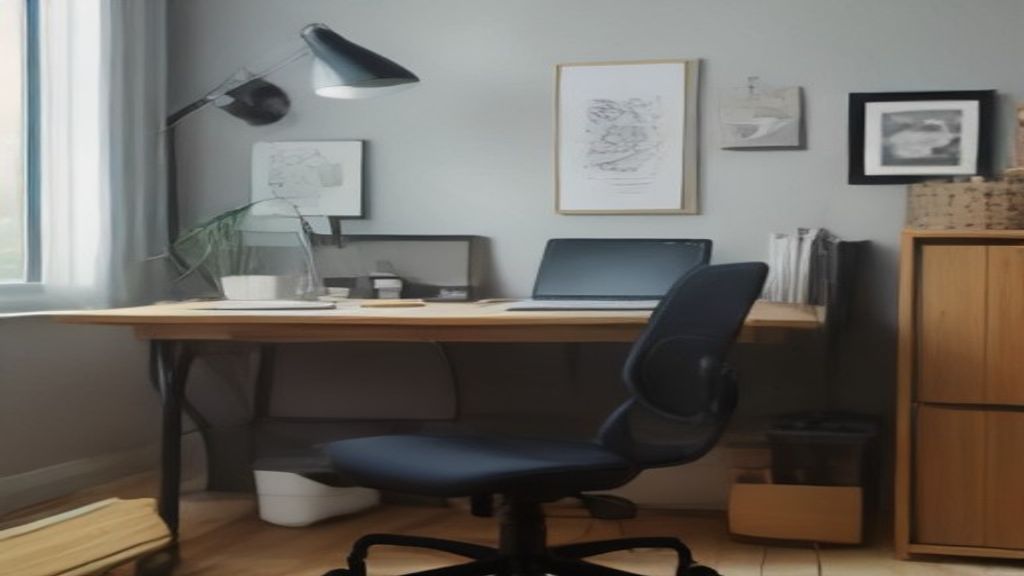
The box was heavier than I expected. When I cut the tape and pulled out that sleek, charcoal studio chair, the first thing I noticed was the smell—new foam and polyester, not unpleasant, but unmistakable. I rolled it into my corner office, plopped down, and for about twenty minutes it felt perfect. Then my shoulders started creeping up toward my ears, and by day three my lower back was singing a different tune.
That's the mistake I keep seeing in every "studio chair" roundup: people buy based on the silhouette in the product photo, not on the numbers that actually matter. They fall for the low back, the brushed metal legs, the "Scandinavian minimalism"—and then they sit in it for eight hours and wonder why they're sore.
The fix isn't complicated. It's five minutes with a tape measure and a honest look at how you sit.
The mistake: seat depth that's too long for your legs.
Most studio chairs look compact, but the seat pan is often a standard 19 or 20 inches deep. If you're 5'6" or shorter, that means the front edge hits you mid-thigh, forcing you to either perch on the edge (hello, back strain) or slouch back so your feet dangle. Neither is good.
What to do instead:
Before you order, measure from the back of your knee to your hip—that's your ideal seat depth. Add 2 to 3 inches for clearance. If the chair spec says 20 inches and your measurement is 17, you need a shorter seat or a chair with a sliding seat pan. Look for that feature. It's rare at this price point, but not impossible.
Second, arm height. Studio chairs often have arms that sit too low or too high. Your elbows should rest at a 90-degree angle, forearms parallel to the floor. If the arms are too high, you'll hunch. Too low, you'll lean sideways. I've seen people try to fix this with a rolled-up towel. Don't. Return the chair.
I ended up swapping mine for a chair with a 17-inch seat depth and 9-inch arm height. It cost me an extra weekend and a return shipping fee, but my back stopped complaining.
One more thing: the casters.
On hard floors, those standard plastic casters sound like a cat dragging a toy at 3 a.m. If you have wood or tile, budget for a chair mat or upgrade to rubber wheels. It's a small thing, but it'll save your floors and your sanity.
Now, who should skip the studio chair entirely? If your work involves long stretches of concentrated typing or if you have any existing back issues, a proper ergonomic chair with lumbar support and adjustable everything is worth the extra cash. The studio chair is a beautiful spot for a short burst of email, a podcast, or a zoom call—but it's not a workhorse. I learned that the hard way.
If you're on the fence about a similar style, check out my notes on IKEA Desks and Chairs: The One Measurement You Can't Skip and Knoll Generation Chair: 9 Months, Real Work, What the Price Buys for comparison. And if you're shopping for dining chairs instead, don't miss I Bought Mid Century Modern Kitchen Chairs and Sat Too Low for a Month — the same seat depth mistake applies.
Measure once, buy once. Your lower back will thank you.