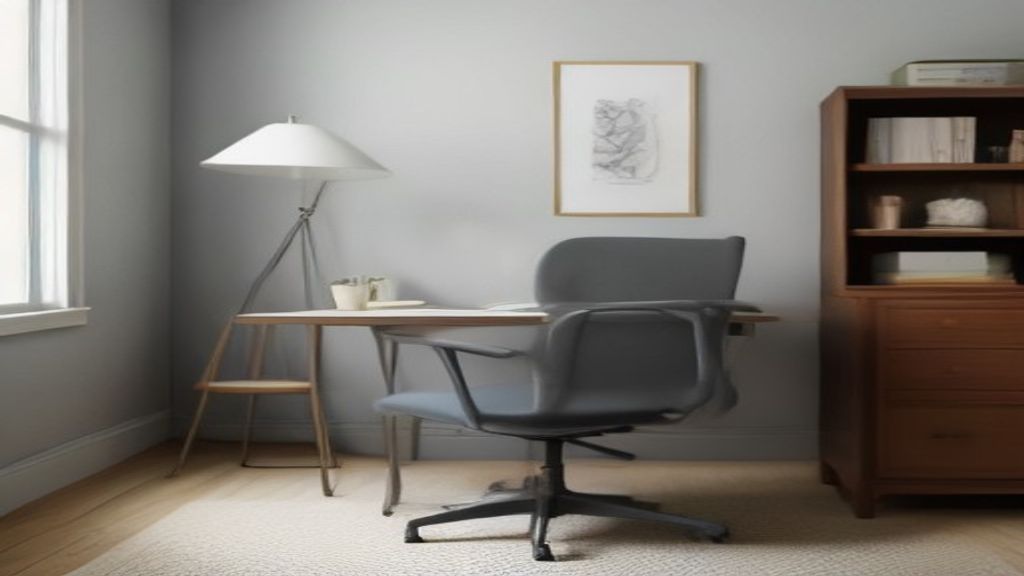
I spent $900 on a chair because a video said it would fix my back. The HAG Capisco isn't a gimmick—it's a genuinely different way to sit. But after six weeks of using it for real work from home, I can tell you exactly what that price buys and what it doesn't.
What I Measured Before Buying
I ran the numbers on three different Capisco models. The base chair with a fabric seat and pneumatic lift runs about $600. Add the taller cylinder (for standing desks) and a headrest, and you're closer to $900. The full leather version? Over $1,200. I went with a mid-range fabric model.
Before buying, I checked the seat height range. On the standard cylinder, the seat goes from about 16.5 to 21 inches. That's low enough for most desks. If you're over 6 feet tall, you'll want the taller cylinder. Don't guess—measure your desk height and your preferred sitting height.
The saddle seat is the big difference. It's 18 inches wide at the front, tapering toward the back, with a split down the middle. It forces you to sit with your knees lower than your hips, which opens up the angle and takes pressure off your lower back. It takes about a week to get used to, and some people never do.
Where the Money Goes
You're paying for engineering, not materials. The Capisco uses a plastic backrest and a steel base. It doesn't feel premium like a leather Eames chair. But the tilt mechanism is something else. I can lean back and the chair follows me—it doesn't resist or snap back. At the most upright setting, it locks in place. At the tilt setting, it moves smoothly with my weight. I measured the recline: it goes back about 15 degrees and then stops. That's not a full recline, but it's enough for reading or thinking.
The build quality is solid. After six weeks of daily use, the gas cylinder still lifts smoothly, the casters roll quietly on my wood floor, and the seat shows no signs of wear. The plastic parts feel sturdy, not hollow. The biggest disappointment? The lumbar support is minimal. It's just a slight curve in the backrest. If you need aggressive lumbar support, this isn't the chair.
What It Does Well and What It Doesn't
Since the Capisco lets you sit forward or backward, I switch between facing my desk and turning around to face my side table. It's one of the few chairs that allows a comfortable forward lean, which is why you see them in break rooms and labs. For me, the best feature is the headrest—it's not a full headrest but a small pad that catches your neck when you lean back. I use it for 10-minute breaks.
The seat tilt is adjustable by a lever under the front. You can set it to tilt forward, which is even more aggressive than a saddle. I tried it once and it felt like sitting on a bike seat. Not for me. But some people use it for writing on paper.
The main drawback is the seat pressure. Even after six weeks, my tailbone gets sore if I sit for more than two hours without a break. I ended up buying a gel cushion. That's not something I expected from a $900 chair. The other issue is the armrests—they're optional and cost extra. I skipped them. Without armrests, it's actually easier to get close to the desk, but if you want to relax, there's nowhere to rest your elbows.
Price Tiers and What You Gain
I looked at cheaper alternatives like the IKEA Markus and the Steelcase Series 1. The Capisco is roughly double the price of those. What you get for the extra money is the saddle ergonomics and the unique recline behavior. If you have back pain from sitting still for hours, the Capisco forces you to shift posture. That's the real selling point.
But if you can't test it first, don't buy it. I'm serious. The saddle seat is polarizing. Some people love it after a week; others can't stand it after an hour. I've read reviews from people who returned it. I was lucky—my local dealer had a demo model I tried for 15 minutes. That was enough to know.
The One Factor That Decides the Buy
Your personal sitting style is everything. If you tend to slouch or sit in one position for hours, the Capisco will force you to move, and you might hate it. But if you naturally shift around, it will feel natural. I'm in the latter camp, so for me it was worth it. But I won't pretend it's a miracle chair. It's just a different one.
If you're comparing prices, remember to factor in delivery and possible return shipping. The Capisco is heavy—about 35 pounds. Some retailers charge for returns. I bought from a local shop, so I avoided that headache.
In the end, the Capisco is a tool, not a luxury. It's expensive for what it is, but it solved a problem for me. If you're curious, measure your space, try it if you can, and don't skip the return policy.
If you're still exploring chairs for your home office, check out More guides in Office Chairs and the Knoll Generation Chair: 9 Months, Real Work, What the Price Buys for another perspective. And if you're redecorating around a new chair, the Grey Round Table and Chairs: First Week Setup and the One Decision might help you plan the room.
Note: I bought the chair with my own money. No affiliate links here.