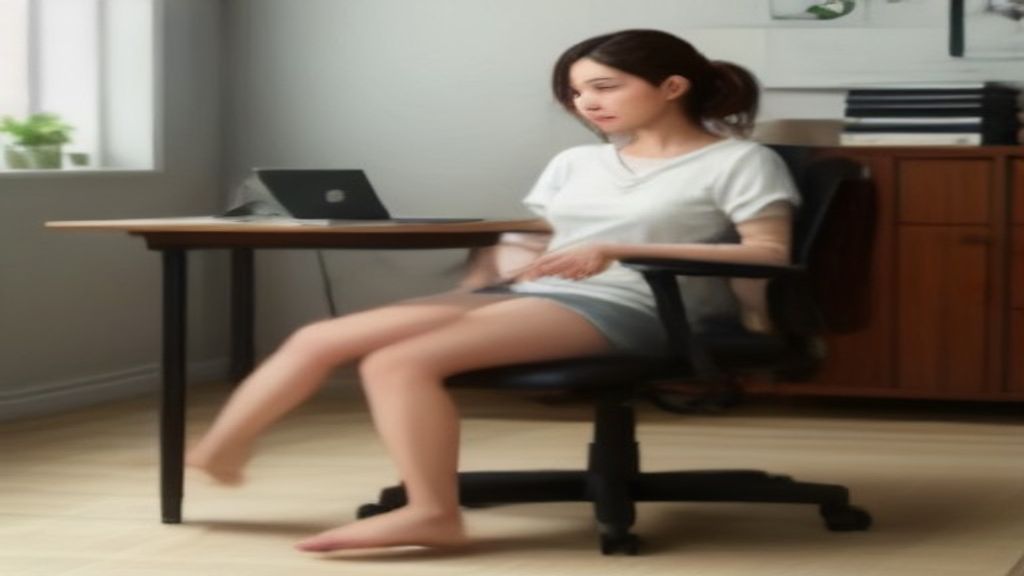
I’m 6’1”, 210 lbs, and I sit for 10 hours a day. The armless task chair I bought three weeks ago? The first week decided everything. Here’s the part they don’t tell you: it’s not the chair, it’s the setup. Get it wrong and you’ll blame the chair. Get it right and you’ll forget you’re sitting.
Day One: The Seat Height
Set the seat height so your feet are flat and your knees are at 90 degrees. No exceptions. That means the seat pan should be about 16–18 inches off the floor for most people. My chair has a 20-inch range, so I had room to screw up. I did. First hour, I left it too low. My hips were below my knees. That’s instant lower back pain. Fix it before you start typing.
Day Two: The One Decision That Matters Most
No arms means no help. Your upper body is on its own. So the one decision that matters? Chair depth. I’m talking about the distance from the front edge of the seat to the backrest. You need about 2–3 inches of space between the back of your knees and the seat edge. My chair has a 19.5-inch depth. I’m long-legged, so it’s borderline. If the seat is too deep, you’ll slump. Too shallow, you’ll perch. Either way, you’re screwed.
Adjustable depth? Not here. That’s the catch with budget armless chairs. You’re stuck with the factory setting. So measure before you buy. I didn’t. I got lucky. You might not.
Day Three: The Tilt Tension
Most armless task chairs have a tilt tension knob. Turn it so the chair rocks with a little effort—not too loose, not locked. You want to be able to lean back slightly without feeling like you’re on a seesaw. I set mine to the middle and it’s fine. But if you’re heavier (over 220) or lighter (under 130), the knob range might not cut it. You’ll know by day three. If the chair dumps you back every time you move, tighten it. If it takes a year to recline, loosen it. Simple.
Day Four: The Armless Reality
No arms means your shoulders do more. The table or desk edge becomes your armrest. So your desk height matters—24 to 27 inches is typical, but your arms should rest naturally with your elbows at 90 degrees. If your desk is too high, you’ll hunch. Too low, you’ll reach down and kill your neck. Measure the distance from your elbow to the floor while sitting, then match it to your desk. That’s the handshake.
Day Five–Seven: The Test
By day five, you should be sitting without thinking about the chair. That’s the goal. I used a timer to check my posture every 20 minutes. By day seven, I wasn’t adjusting anything. The chair just works. But if you’re still fidgeting or noticing pressure points after a week, it’s not you. It’s the chair. Return it.
The One Who Should Skip
If you’re over 6’2” or over 250 lbs, skip armless. No arms means the whole frame takes your weight. A cheap armless chair—like the one I bought for $120—will bottom out after a few months. I’ve seen it happen. The foam compresses, the mesh sags, and you’re sitting on a plank. Same if you have a bad shoulder or wrist. Arms give you something to push against when you stand. Without them, you’re doing a knee pushup every time you get up. That’s fine for young knees. Not for mine.
I’ve written about the The Biggest Mistake People Make With Budget Ergonomic Chairs — the seat depth thing is real. And if you’re thinking about spending more, Setting Up a New Office Chair: The First Week Matters More Than You covers the general rules. For me, the armless chair works because I’m in the right body range and I set it up right. If you’re not, don’t buy it.