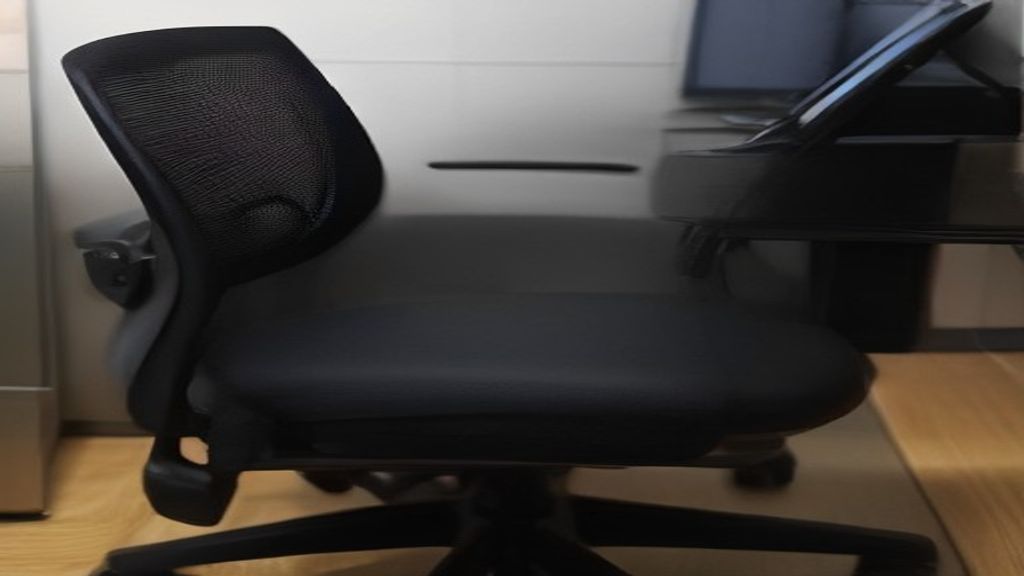
The box lands on the porch. You slice tape, drag out a slab of flat-pack, and the smell of new polyurethane hits you. The casters rattle in a bag. The seat pan is heavier than you thought. This is the moment you realize: you’re about to assemble a chair at 9pm, and you have no idea if it’ll fit your desk.
Here’s the thing about target office chairs — the ones you buy online with generic names like “ergonomic mesh” or “mid-back swivel.” They all look similar. They all come in a box. But the first week is where you either dial it in or you don’t.
The One Decision: Seat Height, Before Anything Else
You’ll assemble it. Maybe the armrests go on wrong once, then you fix it. Fine. But the single decision that matters most in week one is seat height. Not tilt tension, not lumbar depth. Seat height.
Why? Because if the seat pan is too high, your feet dangle. Too low, your knees are above your hips, your lower back rounds, and you’ll feel it by Tuesday. I measured my desk underframe wrong once and had to stack a footrest. Don’t be me.
How to set it: Sit with your feet flat. Your thighs should be parallel to the floor. Your arms should rest on the armrests with elbows at 90 degrees. That’s it. Adjust the cylinder until those are true. Takes two minutes. Do it before you attach the headrest or backrest.
If the chair has a seat slider, set it so there’s a fist gap between the back of your knee and the front edge. If not, move on.
Day One to Day Three: Break-In and Backlash
Most target chairs aren’t broken in. The mesh stretches, the foam compresses, the tilt mechanism loosens. So expect the chair to feel stiff, even harsh. That’s normal. Don’t return it yet.
But watch for red flags: the gas lift sinks an inch after you sit for ten minutes. That’s a leak. The casters skate on carpet but lock on tile — that’s not a defect, that’s a floor type. If the armrests wobble laterally more than half an inch, that’s a return.
By day three, you should have adjusted the lumbar support if it has one. Most under-$200 chairs have a passive lumbar bump, not an adjustable pad. If it digs into your back, move it up or down — or ditch it and use a rolled towel. I’ve done that.
Day Four to Day Seven: Sink or Adjust
By the end of week one, you’ll know if the chair works for your body. The one decision that matters: Do you keep it or box it back up?
Most people wait too long. They tell themselves they’ll get used to the hard seat, the too-long depth, the lack of head support. By day 7, if your hips hurt after three hours, if your shoulders ache because the backrest is too low, return it. Free returns exist for a reason.
But if day 7 is fine — if you forget you’re sitting — you’ve won. Tighten all the bolts (they loosen), recheck the seat height, and move on.
Who Should Skip This Chair
If you’re 6’2” or taller, a mid-back target chair will almost always be too short. The backrest hits your shoulder blades, not your upper back. You’ll hunch. Skip it unless it has a tall back (at least 22 inches of back height). If you have a bad back and need lumbar that moves, skip it. You’ll want a more expensive chair with adjustable lumbar. And if you hate assembly, skip it — you’re going to spend an hour with an Allen wrench.
But for everyone else, a target office chair can work if you set the height right on day one and listen to your body for the rest of the week.
If you’re still measuring your desk setup, check out Setting Up a New Office Chair: The First Week Matters More Than You and Desk Chairs: The One Decision You Need to Make in Week One. More guides in Office Chairs.