The box weighed 68 pounds according to the FedEx label, and I'm pretty sure the delivery guy was happy to drop it at the door and run. The smell hit me first when I cut the plastic — that faint chemical sweetness you get with foam mattresses. Not overwhelming, but it was there. Three days later it was gone. That's not the decision I'm talking about. That one's easy.
Unboxing is the easy part. You slide it out, cut the shrink wrap, and it starts expanding like one of those dinosaur toys in water. Mine took about 15 minutes to reach full height, though the edges stayed a bit squishy for the first night. That's normal. The sleeper cover is a nice touch—soft, not scratchy, and it actually zips off if you need to wash it. The mattress itself is medium-firm, maybe a 6 out of 10 on the firmness scale, which feels right for side sleepers like me.
The first night was okay, not amazing. It slept a bit warm—typical for memory foam, even with the graphite infusion they advertise. I woke up once, turned over, went back to sleep. No aches. Second night better. By the end of the week, it felt like it had broken in properly. That's the usual timeline, by the way. Don't judge a foam mattress on night one. Give it seven days.
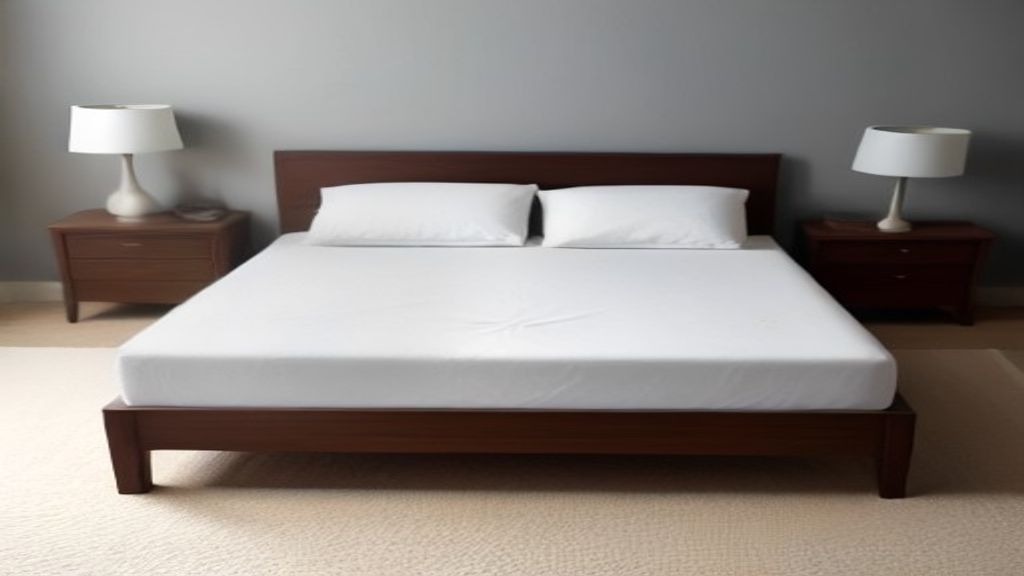
Now the one decision that actually matters: your bed base or foundation. I'm not talking about the frame legs—I mean what the mattress sits on. Prana's warranty requires a solid, non-sagging foundation. Not just a box spring with metal coils—those are too flexible and can cause sagging. I used a platform bed with slats spaced 4 inches apart. Worked fine. But if you put this mattress on an old box spring with bowed boards? You'll see sags in a month. I've seen it happen.
Check your foundation before you order. Measure the slat gaps. The maximum recommended gap is 4 inches. Anything wider and the foam squishes through, and you'll feel every lattice bar. And if you're using a bunkie board? Get one that's solid plywood, not hollow. I've read too many reviews where people blame the mattress when it's actually the foundation that's crappy. Same goes for the frame—center support is crucial. Without it, you get a hammock effect.
Another thing I learned: this mattress is heavy. Moving it to adjust the sheets is a workout. I'm a decent size, but I had to call my wife to help me flip it (okay, you don't need to flip it—it's one-sided—but we were adjusting the position). Also, it takes a full 24 hours to fully expand. I slept on it after 15 minutes. Not ideal, but it worked out. If you can wait, wait.
If you're on the fence about which size—measure your room. I got a queen, and it fits fine, but the dimensions are standard, so my old sheets fit. No surprises there.
One thing that did surprise me: the off-gassing was milder than a previous foam mattress I had. By day three, I couldn't smell anything. Maybe that's their eco-friendly foam. It's CertiPUR-US certified, which means it's been tested for emissions. So the smell isn't a red flag, just something to plan around.
And if you're deciding between the Prana and other options? I've done a few mattress returns myself. I bought a plush queen online once and it was way too soft—lived through that. And if you're a back sleeper, I've got a story about six returns. This Prana, though, is a keeper. But only because I did the foundation check first.
So the one factor that decides the buy? Not the price, not the brand, not the fancy cover. It's the foundation. The mattress is good—maybe even great—but it's only as good as what's under it. Check that before you order. You'll thank yourself in a year when the mattress is still flat and supportive.
If you're still comparing, here's more to read: Double Bed Mattress for Sale: What to Check in the First Week, Amazon Mattress in a Box: The Mistake Most People Make on Night One, and Full Size Bed Foundation: The Mistake That Made My Mattress Sag in 11 Months. And for more, check out More guides in Mattresses.