38 inches. That’s the width of the hallway between our bedroom door and the stairs. Doesn’t sound scary until you’re wrestling a mattress box that says “Double” on it and praying you don’t have to take it back. We’ve now done this three times in one year, so let me save you the back pain.
First thing you’ll notice ordering a double foam mattress online: the box is heavy. Our first one was 67 lbs. My wife and I got it up the stairs but barely—and that was with the box still sealed. Second one, we were smarter: we opened the box in the living room, let it expand a bit, and carried just the mattress up. Still stupid heavy. If you live above ground level, weigh the stairs before you click buy. And measure your doorways, not just the hallway. The box is long and skinny, so width is usually fine, but height matters if your doorframe is short.
Now, the real test is the mattress itself. Density of the foam is the thing nobody talks about. You see “gel-infused” and “cooling” but what you want to check is the pound per cubic foot of the support foam. Our first double foam mattress was cheap—like $200 cheap. Slept fine for the first month, then it started to sag. Not a crater, but a definite valley where I lay. I’m 190 lbs, so not even heavy, but the foam was probably 1.2 PCF. You want at least 1.8 PCF for the base layer if you’re over 150 lbs. The second mattress was twice the price but the spec sheet was clear: 2.0 PCF. No sag after 60 nights.
Then there’s the height. A double foam mattress comes in 6, 8, 10, even 12 inches. Taller doesn’t mean better. My wife and I are both side sleepers, so we need pressure relief. The 6-inch we tried (our second experiment) was like sleeping on a yoga mat—too firm, made my shoulder ache. The 10-inch was the Goldilocks for us. But here’s the twist: if you’re a stomach sleeper, you probably want something firmer, maybe an 8-inch, because a thick memory foam top can sink your hips and mess up your back. We learned that when my friend crashed for a week and left complaining.
One more thing: return fees. That $200 mattress’s return shipping was $150. The fine print in the return policy? They don’t refund the original shipping either. So “free returns” is a marketing lie. Read the policy before you order. Our second return (the 6-inch) cost $100 for pickup and a 20% restocking fee. We ended up selling it on Craigslist for $60.
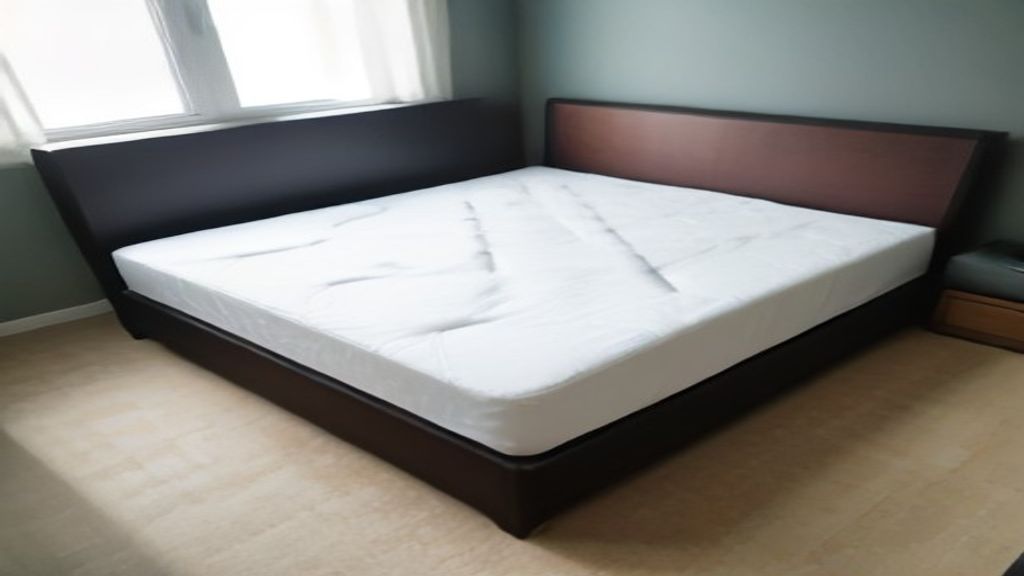
In the end, we kept the $499 double foam mattress from a brand I can’t pronounce. It’s 10 inches, 2.0 PCF base, and it’s held up for 40 nights with zero sag. What decides your buy? Not the reviews, not the fancy cover. It’s the room you’re putting it in—the height of your bed frame (ours is low, so 10 inches is fine) and the weight you carry. Measure your bed frame, measure your doors, and don’t buy a mattress over 1.8 PCF base unless you’re a twig. That’s it. That’s the secret.