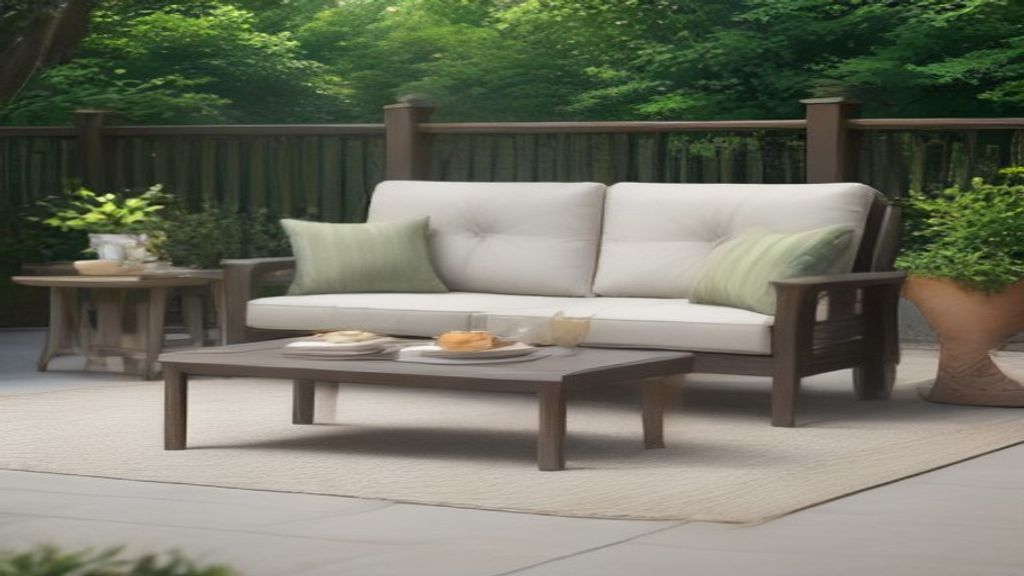
I bought a patio set by looks and regretted it for two summers. The cushions were fine, the frame was fine, but the whole thing was six inches too small for the space, and the table wobbled on uneven concrete. I didn't measure the lounge depth, didn't think about how I'd actually use it—just liked the color. Those first weeks I kept trying to make it work, moving it around, adding a rug. Nope. Ended up selling it on Facebook for a third of what I paid.
That's the mistake I see everywhere: people pick furniture based on what looks good in a photo or a showroom, not based on the actual constraints of their patio. So if you're staring at your empty deck or balcony right now, wondering what to buy, stop. Do these three things before you even open a tab.
1. Measure the Doorway First
Sounds dumb, but my neighbor skipped this and his new lounge chair got stuck in the hallway for a day until he could get help. Not just the patio—the path from your car to the patio. Door widths, stairwells, corners. If it doesn't fit through your door, it doesn't matter how good it looks outside. Take a tape measure and write down the tightest spot. For a small patio set, especially, you might be shocked how often a 78-inch sofa won't make a 76-inch doorway. I've seen this exact thing happen. My Small Patio Set: Measure the Doorway First piece covers the specifics, but the rule is universal.
2. Check the Base Material on Common Wear Points
Most residential patio furniture is aluminum, teak, or some resin wicker. They all work, but they have different failure points. Aluminum frames are light and won't rust, but they can dent if you're not careful. Teak is gorgeous and heavy, but it weathers to gray unless you oil it—that's fine if you don't mind the look, but some people panic. Resin wicker is forgiving and low-maintenance, but the frame underneath can be cheap steel that rusts if the coating scratches. My current set is aluminum with rust-proof screws, but the first one had steel bolts that corroded within a year. That's not a catalog detail; that's a hinge point. Look under the cushions, inspect the welds, check the screw heads. If they're not stainless or coated, budget for replacing them.
3. Sit in It at the Store, Not Just on the Display—Move Around
You can't learn how a chair feels from the internet. I'm not saying you need to lie down, but you absolutely should sit and shift your weight. If a chair doesn't let you lean back without tipping, that's a red flag. Also test the table height against the armrests—my old set had a table two inches taller than the armrests, which made eating impossible. And if you're buying a set, sit together with another person if you can, or at least approximate the width. The photo makes a three-seater look like it fits four; in reality, the middle seat is a joke. I remember being at a store and realizing the "love seat" that looked cozy was actually narrow enough to touch both armrests with your elbows.
What Actually Works
The best purchase I've made is a deep-seated loveseat with adjustable backrests and a small side table that's just the right height. I measured the door, checked the frame, and spent a whole afternoon sitting in it at three different stores. Also, the cushion covers are all-weather fabric that I can take off and throw in the wash—that's saved me more than once after a spilled drink or bird situation. It's not fancy, but it's the first set I've bought that didn't make me mad after a year.
If you're tempted to buy online without touching, remember that returns are a nightmare for patio furniture—places charge restocking fees, and you have to pack it back. That's why I always suggest going to a showroom at least once. And when you're there, think about how you actually use your patio: morning coffee, long dinners, lounging with a book. That changes what you need. If you mostly eat outside, get a table with a sturdy base that doesn't wobble. If you just want a spot to sit and read, a couple of deep chairs might be plenty.
A few more things I wish I'd known: darker colors absorb heat and get too hot for bare legs in the afternoon; light colors show every stain. Pick a fabric that's rated for your climate—if you get heavy winter rain, make sure it's water-resistant and the cushions can dry out. And consider weight—if you need to move furniture for storing, light aluminum is a blessing, but it can blow away in a storm. The heavy teak set at my friend's place got left out for a decade, but mine had to be chained down.
I also got burned by a "weatherproof" set that wasn't. The UV rays faded the plastic and the frame started rusting after two years. Now I check if the finish is powder-coated—that's a sign they bothered to protect it. You'll see the difference in the first winter if you don't.
So here's my blunt take: don't trust the pretty photos. Measure, touch, sit, and then decide. Your patio line will thank you.
One last thing—if you're still stuck, browse through More guides in Outdoor & Patio for other first-hand experiences. I've also written about the Home Depot Patio Chairs: The First Week and the One Decision That if you're considering that route, and I Picked Patio Chairs by Looks and Spent 8 Weeks Uncomfortable is basically my story in more detail. But really, the measurement rule is the one that saves you. Measure twice, buy once.
That's it. My patio's not perfect, but it's not a mistake anymore.