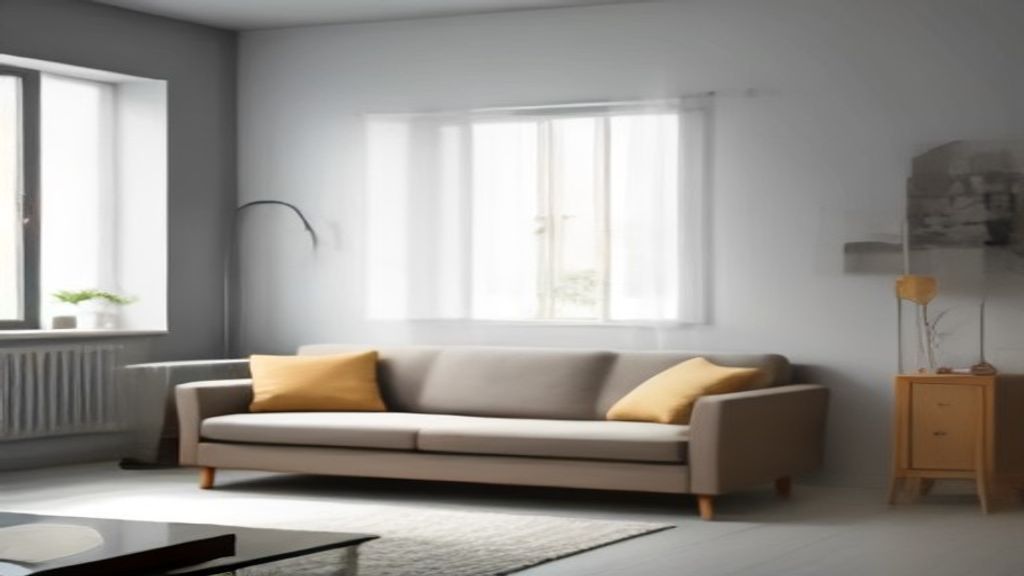
I picked up mustard dining chairs from a big-box store because the photo looked perfect. The color was rich, the price was right. I didn't check the return policy, didn't measure the seat height against my table, didn't even sit on a display model. I got them home, and the first thing I noticed was the smell. Not a chemical smell—that faded. It was the fabric. Some kind of polyester blend that felt like a cheap raincoat. And the seat was an inch lower than the photo suggested. My table is 30 inches high; the chairs were 18 inches at the seat. That's the borderline. I sat down, and my knees were up near my chest. I looked like a kid at a grown-up table.
I went to return them, and the store said "final sale" on the receipt. No returns. I was stuck with four chairs I didn't like.
The mistake wasn't the color or the style—it was that I bought without checking the details. If you're looking at mustard dining chairs, here's what I'd check first.
Why Mustard Chairs Make People Buy Without Thinking
Mustard is a loud color. It's warm, it's specific, and it photographs well. So you're already half in love when you see it. That's exactly what the stores want. But color doesn't hold up a chair.
I've seen mustard chairs online that look deep and buttery, then you get them and they're almost neon. Lighting changes everything. I measured mine in my kitchen under LED bulbs, and the color looked great. Under natural light, it was less golden, more orange. I'm not saying it was ugly, but it wasn't what I expected.
Another thing: mustard shows dirt. My kids are past the yogurt-throwing stage, but still, every crumb shows. The fabric I chose had a texture that grabbed dust. Weeks later, I was still noticing little lint balls forming.
The real issue, though, was the return policy. I didn't read it. If I had, I would have known that "final sale" meant I owned these chairs no matter what.
What I Wish I'd Measured Before Buying
I wish I'd skipped the color swatches and spent ten minutes with a tape measure. Here's what matters:
- Seat height. Your table's height determines this. Standard dining tables are 28–30 inches. Chairs with seat heights between 17 and 19 inches work with that. If you're outside that range, you'll feel it. My chairs were 18 inches—right on the edge, but with a thick cushion that was actually 17.5 once I sat down. It felt like a low-slung lounge chair, not a dining chair. I'd add an inch or two to the legs. But you can't just raise legs on upholstered chairs—they're often fixed.
- Seat depth. I'm 5'8", and my thighs barely touched the seat. That's a depth problem. If the seat is too shallow, you're teetering. Too deep, and your back doesn't reach the backrest. My chairs were 17 inches deep—that was too shallow for me. I ended up sitting at the edge, which didn't help my posture.
- Backrest height and angle. The backrest should hit you at the shoulder blades, not the middle of your back. If it's too low, you'll slouch. If it's too upright, you'll feel like you're at a school desk.
I measured my table's height before buying, but I didn't measure the chairs. I assumed the "standard" dimensions were fine. They weren't.
The Fabric Problem: Mustard Shows Everything
Mustard is a high-maintenance color. My chairs came in a cheap fabric that collected dust like a magnet. After a week, I was wiping them with a damp cloth. After a month, the seams started to pucker—not from heavy use, just from the cheap construction.
If you want mustard chairs, look for fabric that's at least a decent-quality polyester blend with a tight weave. You can test by rubbing your hand across it—if it pills easily, it'll wear fast. Also, check if the fabric is stain-resistant. Mustard is a color that hides nothing. Coffee drops, food splatters, even dark pants will leave marks.
I'd also check the seat cushion. Some chairs have thin foam that flattens within weeks. I sat on mine for three months, and the seat was noticeably worn. You want at least 2 inches of dense foam, preferably with a spring base. If you're buying online, look for reviews that mention "seat comfort" specifically.
How to Avoid the Return Policy Trap
If you're buying mustard chairs, or any chairs, do these three things before you pay:
1. Read the return policy. Is it final sale? What's the restocking fee? Do you have to pay shipping? I learned this the hard way. Some stores give you 30 days, others 14. Some charge 20% restocking. That's money you lose if the chairs don't work.
2. Order a sample or a single chair first. If you're buying online, order one chair to test. Set it next to your table, sit on it, live with it for a week. If it's wrong, you've only got one problem, not four.
3. Check the warranty. Some manufacturers offer a 1-year warranty on frames and fabric. If the seams pull or the legs wobble, you want recourse.
I didn't do any of this. I bought four chairs, and now I'm stuck.
What I'd Buy Instead, If I Could Go Back
I'd buy chairs from a store that allows in-store returns. I'd also spring for a better fabric—something like a textured weave that hides dust. And I'd make sure the seat height was at least 18.5 inches, measured from floor to seat top.
I'd also consider buying a used set. Mustard chairs are a statement, and statement pieces end up on Facebook Marketplace. I saw a set of four solid wood mustard chairs for $200. That was half what I paid. And I could test them before buying.
The point is, don't let the color do the thinking. The color is what you see, but the seat is what you feel.
For more on what to check before buying dining chairs, see What You Actually Get at Lowe's for a Dining Chair: $50 vs $150 and Low Back Upholstered Dining Chairs: What You Gain, What You Give Up,. If you're torn between colors, Beautiful dining chairs: the first week is when you notice things has some honest notes.
The one factor that decides the buy is the return policy. If you can't return it, you're betting on the color. And color is the one thing you can't return.